Alicante shows that useful innovation is now born tied to a sector: health, the environment and data sovereignty

🕒 Published on Zendoric: June 27, 2026 · 09:00
✨ AI-generated · how it's made
The 32nd Fundeun Awards hand out 15 prizes among 85 entries and leave a clear takeaway: the AI projects that are advancing are not the most spectacular ones, but the most vertical. From an assistant for Social Work to a platform for training your own models without giving up data, the awards work as a thermometer of where emerging innovation is really looking.
📚 Go deeper
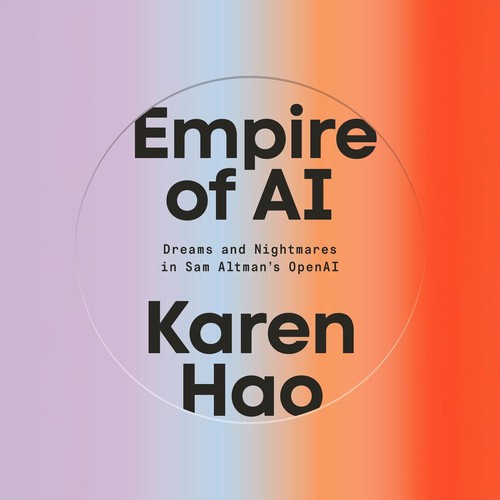
The definitive piece of investigative journalism on OpenAI: 260+ interviews, the clash between safety and speed, and the attempted firing of Sam Altma
As an Amazon Associate, Zendoric earns from qualifying purchases; the price does not change for you. · all our recommended books →
There are awards ceremonies that amount to little more than a photo op, and others that, read carefully, anticipate trends. The 32nd edition of Fundeun's New Business Ideas Awards, held at Santa Bárbara Castle, belongs to the second group. Of the 85 entries submitted, the jury selected 50 finalists and awarded 15 projects with prizes of up to 4,500 euros, while also recognizing the foundation's former president, Antonio Fernández Gómez, with the Business Knowledge distinction. Beyond the event itself, what is interesting is the map of priorities drawn by the body of proposals as a whole.
Three of the winning projects connect directly with the most current conversation about artificial intelligence. Atis, an assistant trained on regulations and technical documentation for Social Work, is almost a textbook example of what is taking hold in the sector: the vertical domain agent. As opposed to the generalist model that knows everything only halfway, the tool that deeply understands a regulated field is gaining ground and therefore offers greater precision and a better regulatory fit. In healthcare or social services, that specialization is not a luxury, it is a requirement.
The second name to highlight is NeuroBlock, aimed at enabling companies and organizations to create, train and deploy their own models while retaining control over their data. Here the innovation lies not so much in the algorithm as in the answer to an underlying concern: technological sovereignty. Within the framework of the AI Act and the debate over dependence on foreign cloud providers, the ability of an SME or a public administration to train models without handing its information over to third parties goes from being a technical option to a strategic decision. Reef AI, which applies AI and citizen science to reef monitoring, and TuyTu, focused on protecting personal images against deepfakes, complete a trio that shows AI as a tool for concrete problems, not as an end in itself.
It is worth not losing sight of the rest of the list of winners, because that is where the real context lies. Early diagnosis through biomarkers in tears (LacriDx), rapid detection of Listeria with CRISPR technology (L-Track), bactericidal surfaces for healthcare settings (Zenithia) and several agri-tech proposals show that the innovation ecosystem is not reduced to AI: it uses it where it adds value and dispenses with it where it is not needed. That maturity is, perhaps, the best news.
The editorial reading is optimistic and sober at the same time. Competitions like Fundeun's serve a discreet but valuable function: they turn ideas into viable business plans thanks to specialized mentoring and, along the way, teach us what kind of innovation is germinating far from the major headlines. If the signal Alicante is sending is representative, the immediate future of applied AI runs through the vertical, the regulated and the sovereign. Three rather unflashy words and, precisely for that reason, promising.
📚 Go deeper
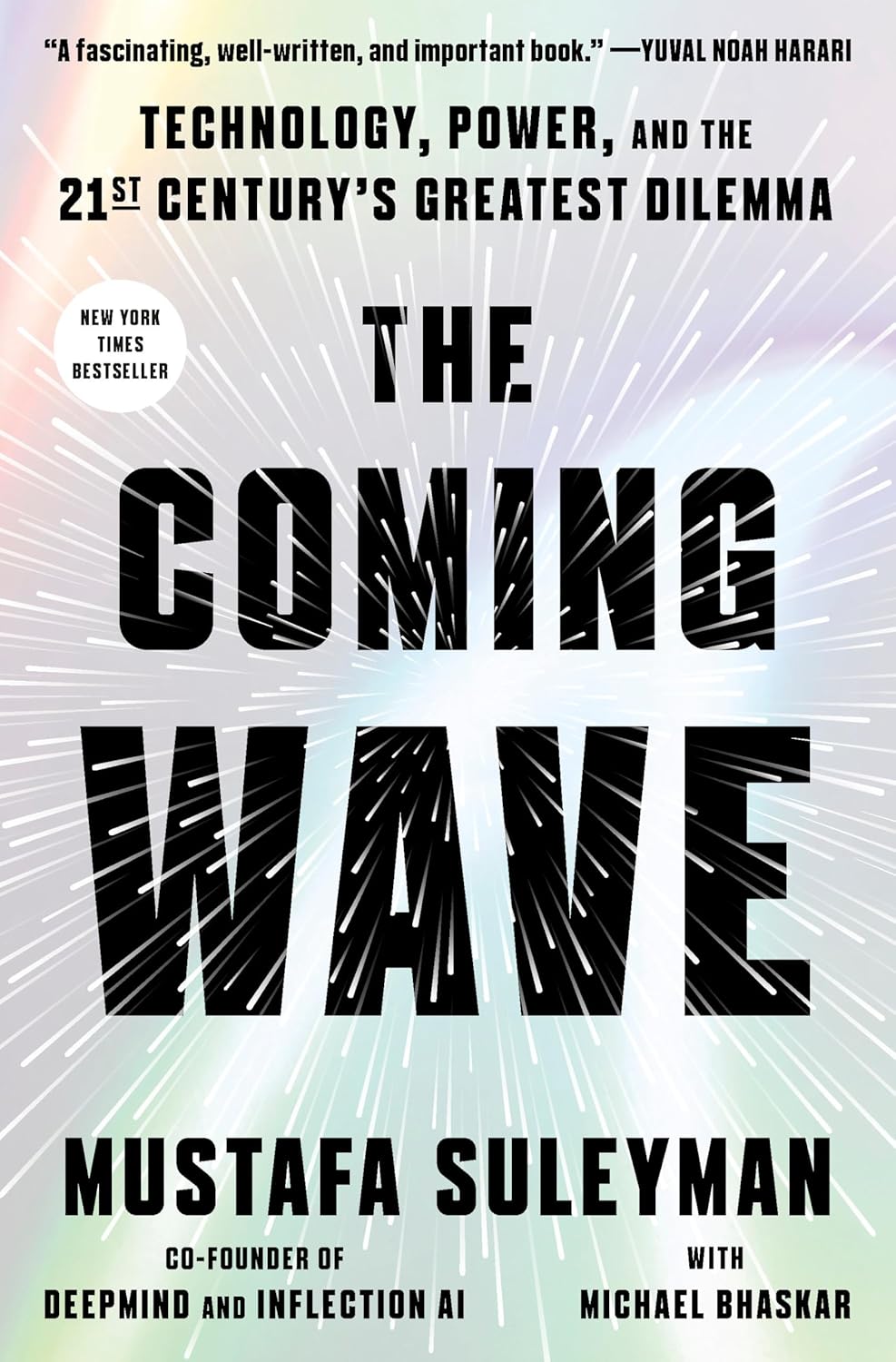
DeepMind co-founder on the dilemma of containing technologies that do not want to be contained.
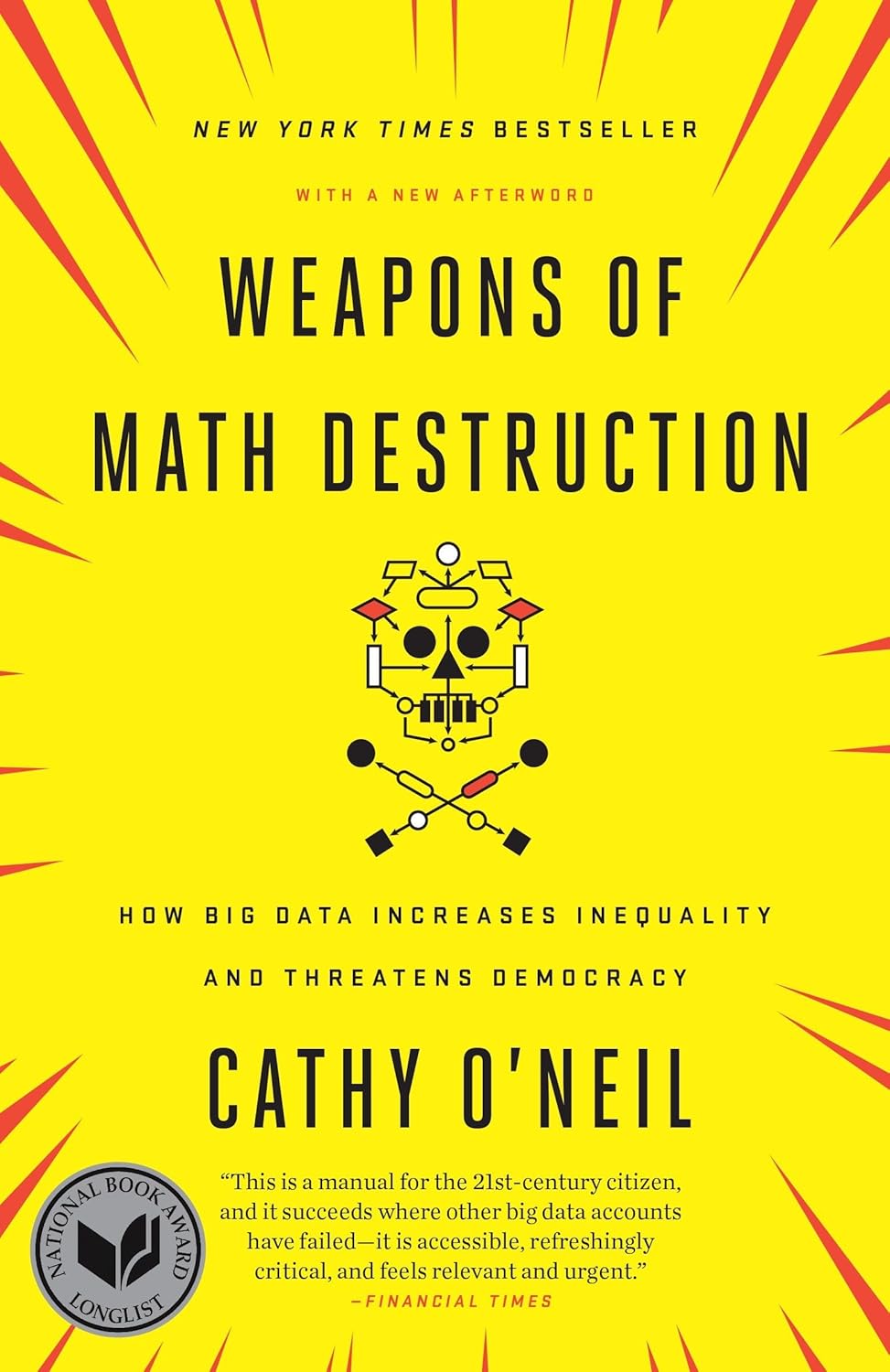
How opaque algorithms decide who gets credit, a job or parole — and why they tend to punish the same people.
As an Amazon Associate, Zendoric earns from qualifying purchases; the price does not change for you. · all our recommended books →
🔗 Related on Zendoric
- When a decree shuts off an API: the Legion case exposes the fragility of building on a single AI provider · 2026-06-24
- UCLA Health bets on AI for cancer detection: another sign that precision medicine is no longer just a promise · 2026-06-26
- The transformer architecture is solved: the real LLM moat lives in training, not in the diagram · 2026-06-28