The Pentagon rolls out its own versions of ChatGPT and Grok for 3 million employees

🕒 Published on Zendoric: September 3, 2026 · 10:20
✨ AI-generated · how it's made
The U.S. Department of Defense has added customized versions of ChatGPT (from OpenAI) and Grok (from xAI) to GenAI.mil, the centralized, secure generative artificial intelligence portal the Pentagon launched last year.
📚 Go deeper
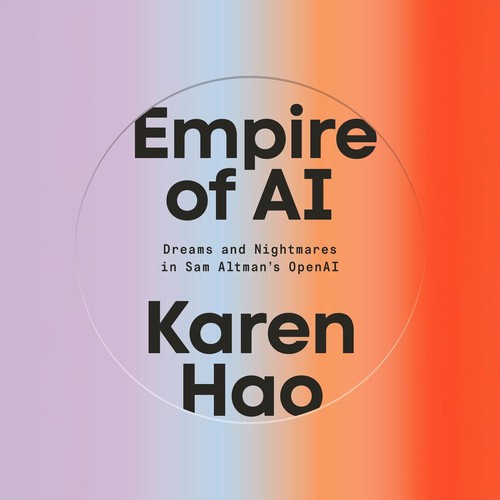
The definitive piece of investigative journalism on OpenAI: 260+ interviews, the clash between safety and speed, and the attempted firing of Sam Altma
As an Amazon Associate, Zendoric earns from qualifying purchases; the price does not change for you. · all our recommended books →
The US Department of Defense has added customized versions of ChatGPT (from OpenAI) and Grok (from xAI) to GenAI.mil, the centralized, secure generative artificial intelligence portal the Pentagon launched last year. With this expansion, as many as 3 million civilian and military personnel now have access to generative AI tools tailored, in official parlance, to "warfighter needs."
GenAI.mil initially launched with Google Gemini as its available model, and its purpose is to let Department of Defense employees use commercial frontier AI models without having to send sensitive government data through the usual consumer channels. The military version is exempt from the data collection practices that are hard to avoid in consumer-facing tech products. According to the department itself, uptake of the portal has been notable: more than 1.7 million unique users have already signed up, out of a total of 3 million potential employees.
The new version of ChatGPT, called ChatGPT Mil, comes out of the OpenAI for Government program and will offer an experience similar to commercial ChatGPT, with features centered on chat, files, projects and custom GPTs. Its initial focus is on routine unclassified administrative tasks such as logistics, planning and policy drafting, though the Department of Defense indicated that more features will be added over time.
By contrast, the Pentagon presented Grok for Government's capabilities in considerably broader, more military terms. That version arrives via Starshield AI, SpaceX's secure satellite network built on Starlink infrastructure. According to the official statement, Grok for Government will deliver "immediate productivity gains, greater knowledge continuity and more secure, efficient collaboration," enabling military forces to "execute missions faster and with greater precision" in operational contexts ranging from market analysis for acquisitions professionals to supply chain management for logistics.
One notable detail in the article is the conspicuous absence of Claude, Anthropic's model, from this list of tools added to GenAI.mil. The omission comes amid the dispute between Anthropic and the Pentagon: the Trump administration labeled Anthropic a "supply chain risk," a designation the company is currently challenging in court. As explained, the conflict arose because Anthropic refused to grant the Pentagon unrestricted use of its AI tools, insisting instead on maintaining certain safety safeguards.
This expansion of GenAI.mil is part of a broader Pentagon effort to speed up its work with AI tools without sacrificing security, and to diversify its technology suppliers. The article notes that the Department of Defense has already struck deals with other tech companies to bolster its AI capabilities, among them Amazon Web Services, Microsoft, Nvidia and Reflection AI.
The case illustrates an underlying tension in AI adoption by government and defense institutions: the balance between demanding safety and control guarantees from suppliers, and those suppliers' willingness to accept terms of use they consider compatible with their own principles. Anthropic's stance, which has cost it a place in this round of institutional adoption, contrasts with the readiness of OpenAI and xAI to supply adapted versions of their models for military use, at a time when the Pentagon is actively seeking to diversify and expand its access to frontier AI.
📚 Go deeper
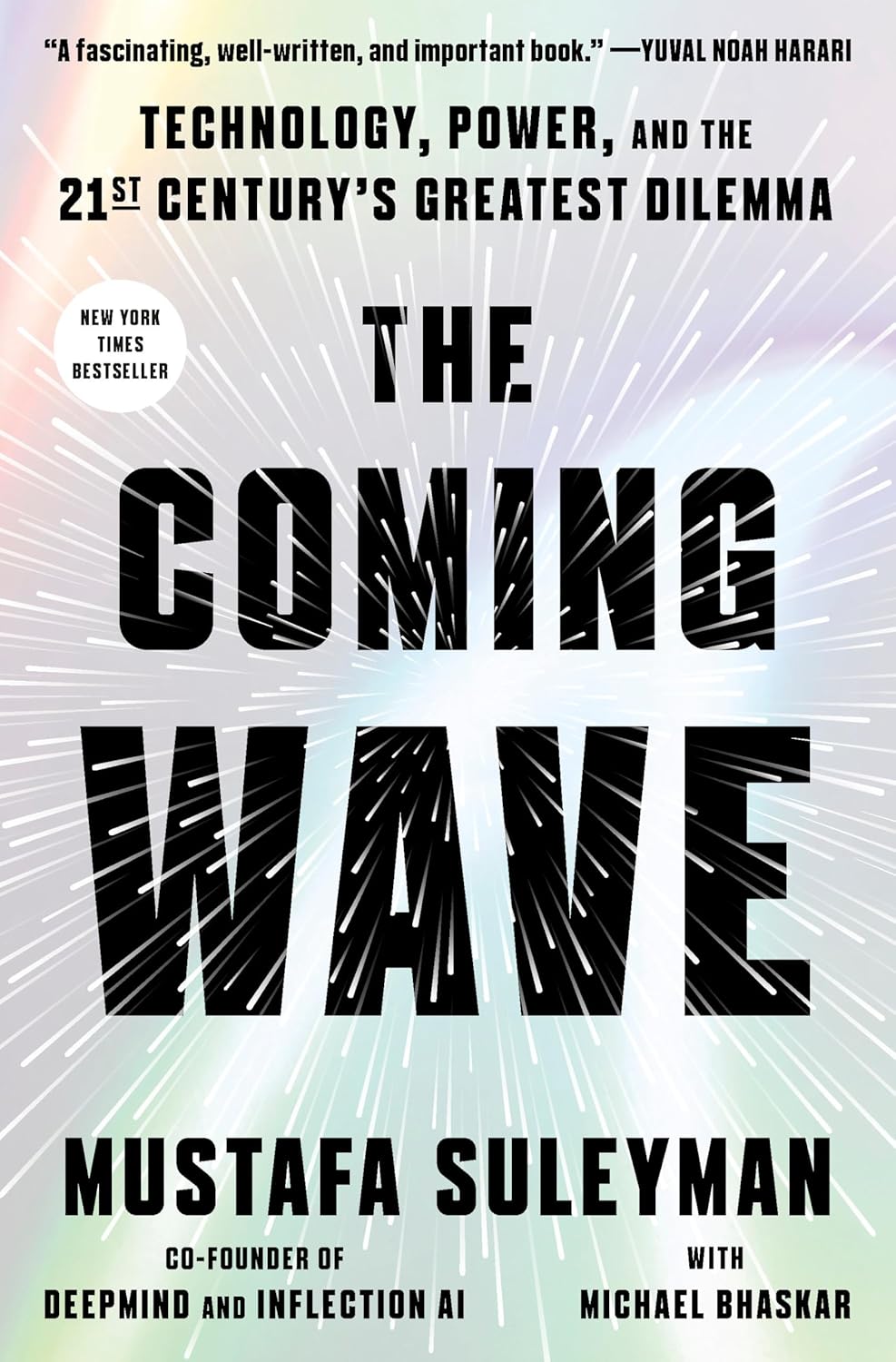
DeepMind co-founder on the dilemma of containing technologies that do not want to be contained.

AI as the latest chapter in the history of information networks, from gossip to the printing press to the algorithm.
As an Amazon Associate, Zendoric earns from qualifying purchases; the price does not change for you. · all our recommended books →
🔗 Related on Zendoric
- The Pentagon Just Priced Safety Guardrails as a Supply-Chain Risk — and Made Its AI Stack Uniform · 2026-09-01
- Emergent, India's second AI unicorn in just one month: is India's AI race finally taking off? · 2026-07-18
- Apple presents new "shocking" evidence against a former employee accused of stealing data for OpenAI · 2026-09-03