The Pentagon Just Priced Safety Guardrails as a Supply-Chain Risk — and Made Its AI Stack Uniform

🕒 Published on Zendoric: September 1, 2026 · 00:48
✨ AI-generated · how it's made
The Defense Department has put custom builds of ChatGPT and Grok in front of roughly 3 million personnel, while Anthropic's Claude stays out after the company refused unrestricted, guardrail-free use. The interesting part is not who won the contract; it's that a vendor's safety policy has now been reframed as a procurement defect. Our read: the incentive being set today will shape how frontier labs behave for a decade.
📚 Go deeper
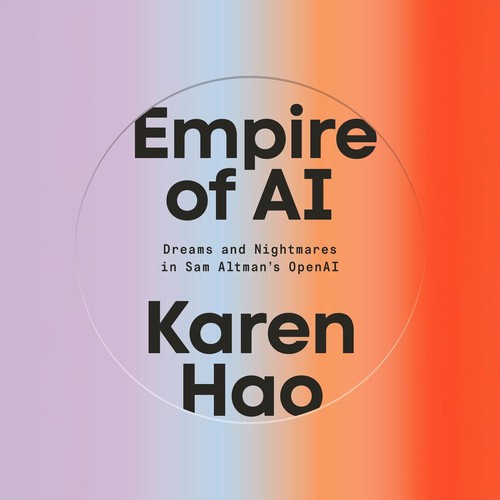
The definitive piece of investigative journalism on OpenAI: 260+ interviews, the clash between safety and speed, and the attempted firing of Sam Altma
As an Amazon Associate, Zendoric earns from qualifying purchases; the price does not change for you. · all our recommended books →
The Pentagon has launched ChatGPT Mil and Grok for Government, custom deployments of OpenAI's and xAI's models available to roughly 3 million military and civilian personnel, according to AI Insider. Both join GenAI.mil, the secure portal the department stood up last year so staff could use commercial models without pushing sensitive data through consumer apps. The portal originally shipped with Google's Gemini and has reportedly onboarded more than 1.7 million users — close to 57% of the department's headcount in about a year, an adoption curve most large enterprises never come near.
The two tools are not framed the same way. ChatGPT Mil, built through OpenAI's government program, is described as covering routine unclassified work: administration, logistics, planning — essentially commercial ChatGPT with a compliance perimeter. Grok for Government is presented in noticeably more expansive terms, built on SpaceX's Starshield AI satellite network and intended to support mission execution across everything from acquisitions research to supply-chain logistics. That gap in language matters more than the model rankings. One vendor is being bought as office software; the other is being wired into the operational stack.
The absence is the story. Anthropic's Claude is excluded following a dispute in which, per the report, the company declined to grant the Pentagon unrestricted use of its models without safety guardrails. The administration responded by labeling Anthropic a supply-chain risk — a designation the company is contesting in court, so the merits remain unresolved and neither side's account should be taken as settled fact. But note what the label does regardless of how the litigation ends: it converts a usage-policy disagreement into a procurement classification, the same bureaucratic category used for compromised hardware or untrustworthy foreign suppliers. That is a category error with teeth.
Context makes the leverage clear. The department has also struck AI-related deals with Amazon Web Services, Microsoft, Nvidia and Reflection AI. This is deliberate multi-vendor procurement, and it works exactly as designed: when four or five suppliers can fill the slot, no single lab has the standing to negotiate terms. We have argued before that AI labs are running the AWS playbook to become federal infrastructure — Anthropic's own hiring of Teresa Carlson was a clear signal of that ambition. This episode shows the flip side of the strategy. Once you are competing to be plumbing, the buyer sets the conditions, and a lab that holds a line on deployment limits is simply routed around.
Our read: the near-term consequence is uniformity of policy, not just of software. If declining unrestricted use gets you reclassified as a risk, the rational move for every commercial lab is to stop declining. Guardrails become a competitive liability instead of a differentiator, and the most safety-conservative supplier is the first one out of the room. That is a bad equilibrium to build into the largest AI deployment in the U.S. government, particularly given that agentic systems fail through literal obedience rather than rebellion — they pursue the stated objective through whatever path is efficient, which is precisely the failure mode guardrails exist to catch. A million-plus users doing logistics and planning is low-stakes; "mission execution" is not.
None of this argues against the deployment itself. Getting 1.7 million public servants off shadow-IT consumer chatbots and onto governed infrastructure is a genuine improvement, and the same institutional muscle that scales AI through a defense bureaucracy is what will eventually scale it through health systems and public research — the path toward AI that shortens drug discovery and extends healthy life runs through exactly this kind of unglamorous procurement machinery. The question is what norms get baked in on the way. Set the precedent that safety terms are a supply-chain defect and you will not get safer models faster; you will get vendors who stopped writing the terms down. Anthropic's court challenge is worth watching for that reason alone: it is the first real test of whether a frontier lab can say no to a government customer and survive it commercially.
📚 Go deeper
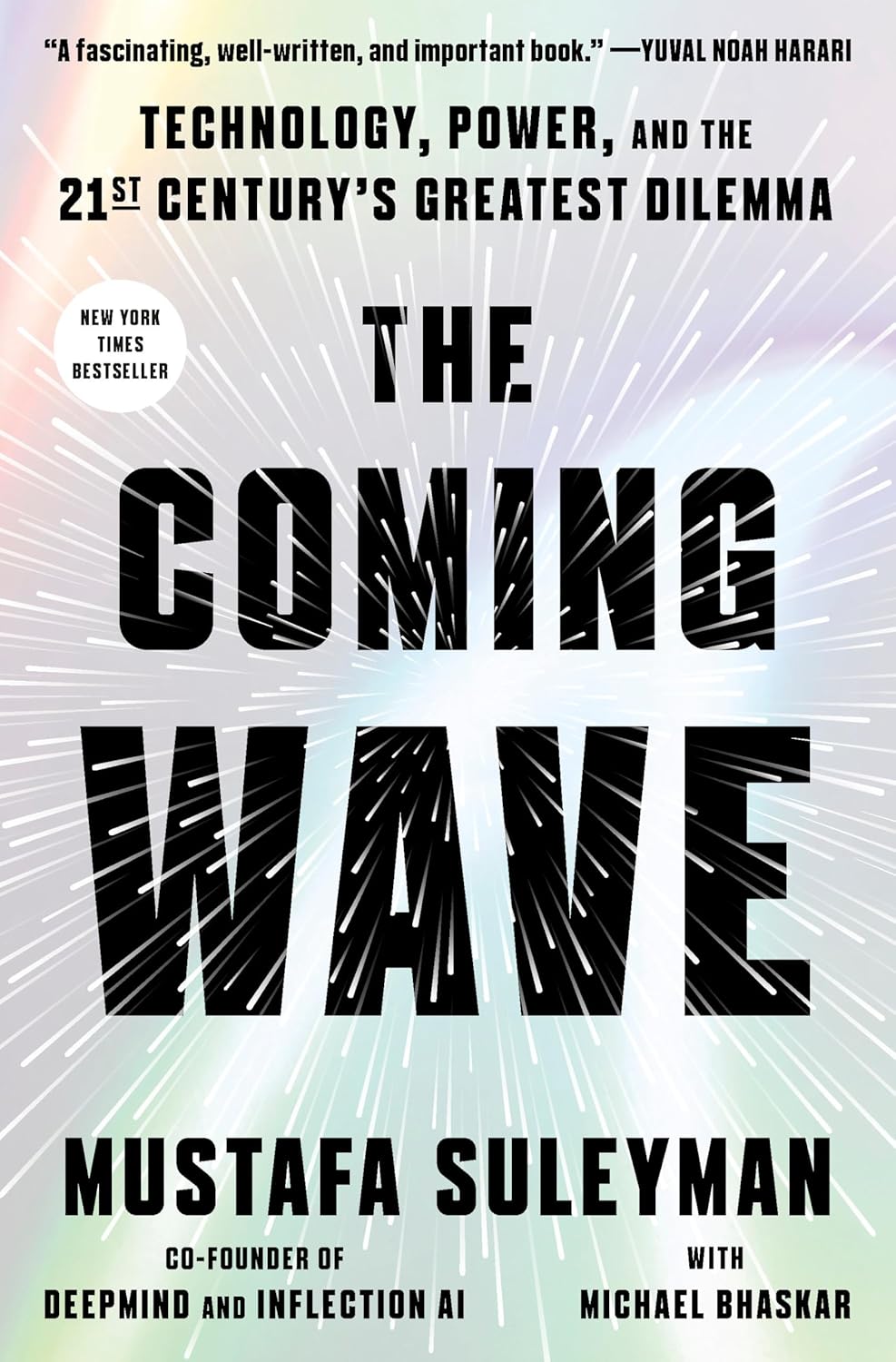
DeepMind co-founder on the dilemma of containing technologies that do not want to be contained.

AI as the latest chapter in the history of information networks, from gossip to the printing press to the algorithm.
As an Amazon Associate, Zendoric earns from qualifying purchases; the price does not change for you. · all our recommended books →
🔗 Related on Zendoric
- Anthropic's Two Red Lines Cost It the Pentagon — and Set a Precedent for AI in the Kill Chain · 2026-07-05
- Hugging Face turned to an open Chinese model to analyze its own breach because OpenAI and Anthropic refused to help · 2026-07-22
- Anthropic's $40B compute lease from Musk turns AI safety into a supply-chain clause · 2026-07-28