Students are rethinking careers and majors as AI advances, according to a CNBC survey

🕒 Published on Zendoric: September 3, 2026 · 10:20
✨ AI-generated · how it's made
A quarterly survey on AI and employment conducted by CNBC and SurveyMonkey, published on August 19, shows that a significant share of university students in the United States is rethinking their career plans because of the perceived impact of artificial intelligence.
📚 Go deeper
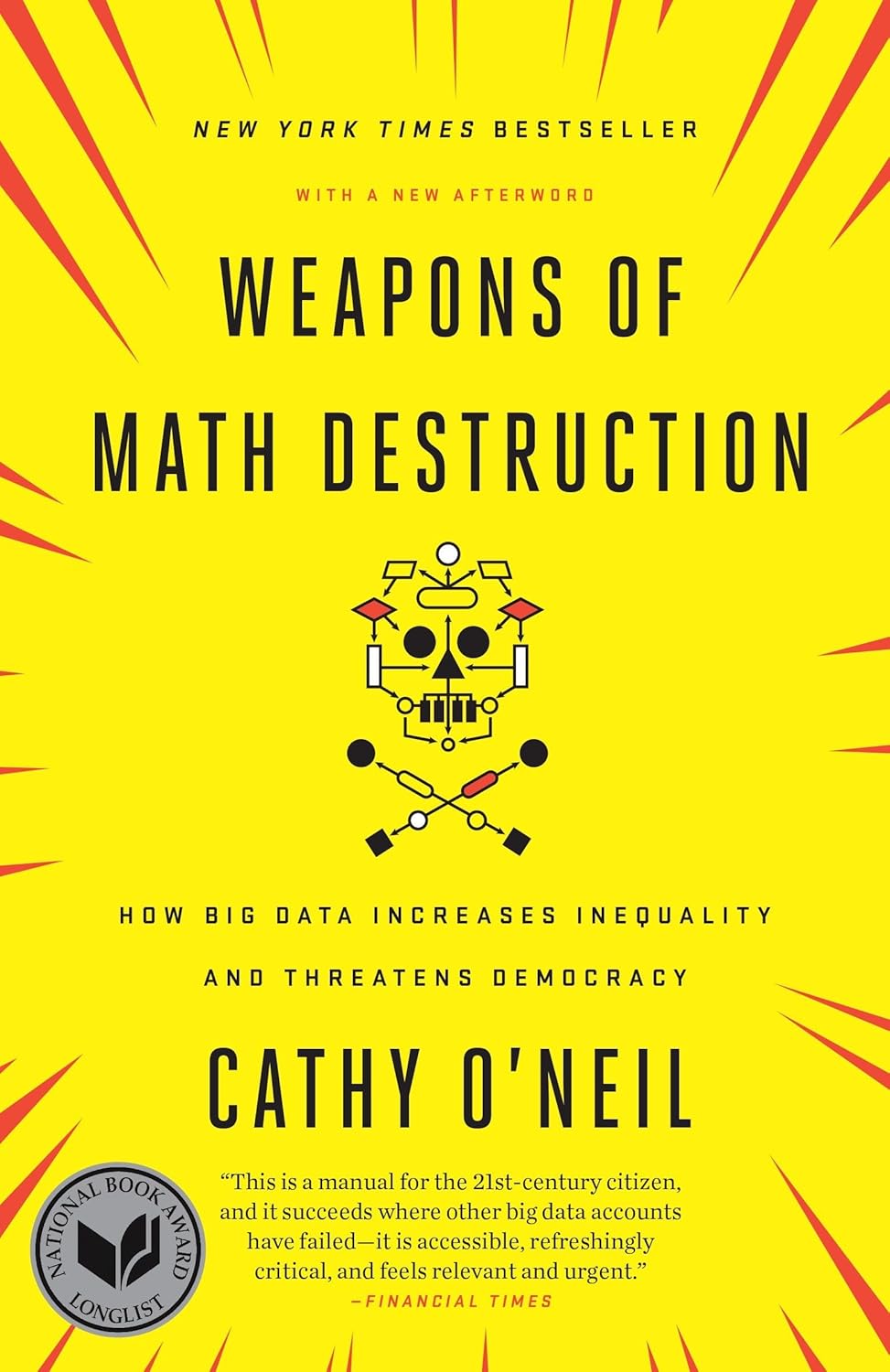
How opaque algorithms decide who gets credit, a job or parole — and why they tend to punish the same people.
As an Amazon Associate, Zendoric earns from qualifying purchases; the price does not change for you. · all our recommended books →
A quarterly CNBC and SurveyMonkey survey on AI and jobs, published on August 19, shows that a significant share of US college students is rethinking their career plans because of artificial intelligence's perceived impact. The poll, conducted between July 22 and 27 among 1,686 students and workers (with a margin of error of plus/minus 2 percentage points), found that 31% of currently enrolled students and workers have changed or considered changing their target career field because of AI, a figure that rises to 39% among students who are not employed.
The article illustrates the trend with the case of Stephanie Park, 20, a sophomore at a small liberal arts college in the northeastern US who hopes to become a doctor and researcher. Park explains that AI makes her wonder what her profession will look like by the time she finishes her training, especially because she is drawn to working with patients and to 'the human side of medicine'; she worries that, as more people turn to AI chatbots for health advice, that human connection will carry less weight within the healthcare system.
Beyond the choice of field, the survey detects shifts in other aspects of the job search: 45% of enrolled students and workers have changed or reconsidered which skills they are developing, 34% have changed the roles they apply for and 35% have reconsidered which companies they hope to join, all of it attributed to the arrival of AI.
When it comes to choosing what to study, nearly 40% of enrolled students and workers have considered changing their major, field of study or courses because of AI, a share that climbs to 44% among those who are not working. The data is consistent with a report published in April by Gallup and the Lumina Foundation (a nonprofit focused on education), based on a survey of 3,801 US students conducted in October 2025: in that study, around 42% of bachelor's degree students and 56% of associate degree students said they had considered changing their major 'a fair amount' because of concerns about AI. Courtney Brown, vice president of impact and planning at the Lumina Foundation, told CNBC that many students fear the time and money invested in their degrees will not pay off in the labor market.
Not all the voices cited in the article view this shift favorably. Allison Shrivastava, a labor market and education economist at Niche (a school rankings and reviews site), considers it natural for students to worry, given the contradictory messages they receive about whether AI will create or destroy jobs. Still, she is concerned that they are 'reacting before they have all the information' about how AI will actually affect each profession.
The piece points to computer science as a concrete example: the unemployment rate among computer science graduates rose to 7% in 2024, after several big tech companies, having over-hired in previous years, scaled back their campus recruiting. Jessica Roffe, a career coach for college students and founder of the firm Career Beginnings, says she understands the caution toward the major but insists it remains valuable: practically every sector — not just big tech — needs computer science profiles, so a graduate can pivot to banking, healthcare or other fields.
Rather than trying to guess which field or degree offers the strongest job guarantees, Roffe advises students to focus on which skills will make them more competitive. She highlights critical thinking, problem solving, curiosity and skepticism in particular, capabilities she considers crucial in roles that already use AI intensively, where companies are looking for workers able to rigorously assess AI's output instead of simply accepting it.
Shrivastava, for her part, hopes students will keep choosing fields they are genuinely passionate about and not only those they believe will offer more job opportunities. Her closing message is that 'you don't need to have it all figured out': it is worth working hard and studying what interests you and what you are good at, bearing those factors in mind, rather than trying to predict with certainty how AI will reshape the labor market.
📚 Go deeper
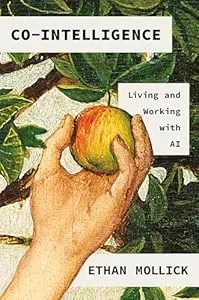
The best starting book if you're not technical: a Wharton professor explains how to work WITH AI — when to delegate, when to supervise, when to keep i
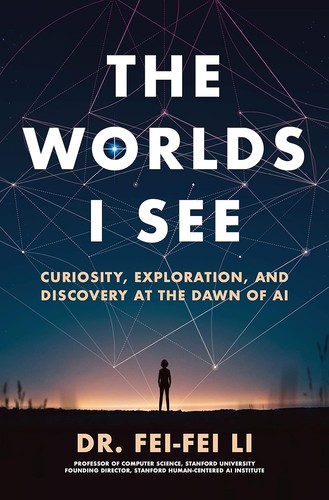
The memoir of the creator of ImageNet, the scientist who made the deep learning revolution in vision possible.
As an Amazon Associate, Zendoric earns from qualifying purchases; the price does not change for you. · all our recommended books →
🔗 Related on Zendoric