How to protect yourself when your AI provider changes the rules of the game

🕒 Published on Zendoric: September 3, 2026 · 10:20
✨ AI-generated · how it's made
Nate opens his newsletter with a concrete fact: on November 12, OpenAI's models will stop working directly inside Cursor. As he explains, no Cursor user did anything to trigger that cutoff: SpaceX bought the company and OpenAI decided it couldn't trust the new owner, so it is pulling…
📚 Go deeper
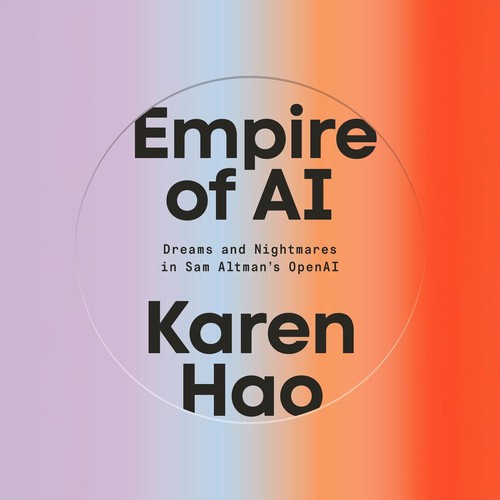
The definitive piece of investigative journalism on OpenAI: 260+ interviews, the clash between safety and speed, and the attempted firing of Sam Altma
As an Amazon Associate, Zendoric earns from qualifying purchases; the price does not change for you. · all our recommended books →
By Nate from Nate's Substack · September 2, 2026.
Nate opens his newsletter with a concrete fact: on November 12, OpenAI's models will stop working directly inside Cursor. As he explains, no Cursor user did anything to trigger that cutoff: SpaceX bought the company and OpenAI decided it could not trust the new owner, so it is pulling the model from the product.
The author connects this episode to a video he published on Monday on YouTube, in which he asked his audience which AI future they were betting on: the one you rent from a frontier lab, or the one you own. According to Nate, three companies have just answered that question with their money: OpenAI is trying to own more parts of the AI system, NVIDIA is selling the machinery every winner will need, and Anthropic is spreading its bets across companies that compete with each other. This article, he says, picks up where Monday's video left off.
Nate reveals that he pays more than $600 a month spread across three high-end AI plans. He promises to show what each one does, what he refuses to leave inside a single provider, and the standard each plan must meet before he pays for another month. He also offers a 30-minute test to check whether another AI could pick up one of your real projects or whether your work is trapped inside one provider.
According to the author, the underlying dispute is not over the model itself, but over who controls the system that surrounds artificial intelligence: the hardware, the product, the distribution and the accumulated working context that makes a model useful. While companies place multimillion-dollar bets on that question, users themselves answer it every time they upload a file, save a preference, connect an account or let a single AI become the only one that understands what they are working on.
Nate's central thesis is that watching the model is the obvious but wrong move: a frontier model is valuable, but access to it can change overnight (as the Cursor case illustrates). What is genuinely hard to replace is everything that model has learned about your work over time.
The email previews the table of contents of the full article, available to paying subscribers: which part of AI work cannot be exported (the model is replaceable, six months of accumulated working context is not); what he himself owns and what he rents, summarized in seven questions a project note must answer before another AI can pick up the work; why he pays more than $600 a month and what role each of his three plans serves; how to tell whether a plan is worth its cost, through four ways a plan pays for itself (and why a good plan cannot make up for one that sits idle); what he himself would do with budgets of $20, $60 and more than $200 a month; the 30-minute test to check whether you can leave a provider; and the 'Provider Independence Audit,' five prompts that let you run this entire test on the reader's actual setup in an afternoon, including a quarterly drill.
The body of the email is essentially a preview of the full article (which sits behind Substack's paywall), so it does not include the detailed development of those seven points or the literal content of the five audit prompts; it only lists the headings of each section.
📚 Go deeper
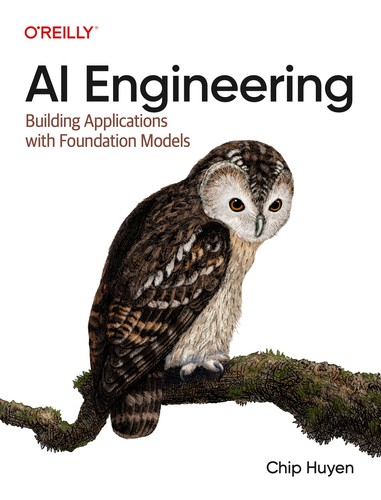
The reference manual for building products on top of AI models: prompts, RAG, fine-tuning, agents, evaluation and deployment.
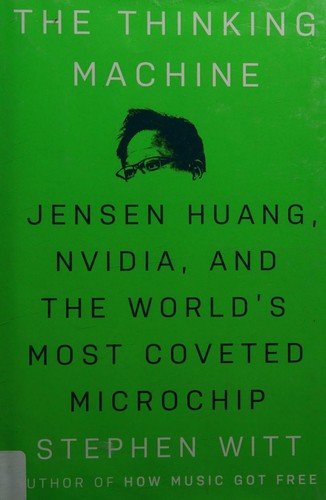
The story of NVIDIA and Jensen Huang: how a video-game card company ended up making the most coveted resource on the planet.
As an Amazon Associate, Zendoric earns from qualifying purchases; the price does not change for you. · all our recommended books →
🔗 Related on Zendoric