OpenAI cutting off Cursor turns model access into a revocable utility, not infrastructure

🕒 Published on Zendoric: August 31, 2026 · 09:29
✨ AI-generated · how it's made
OpenAI says it will stop serving its models to Cursor on November 12, weeks after Elon Musk's SpaceX completed its $60 billion purchase of the coding tool. The headline is another Musk-Altman skirmish; the real story is that frontier model access can be switched off by contract, and everyone building on it just learned what that costs. Anthropic's immediate offer of more compute to Cursor shows who collects the bill.
📚 Go deeper
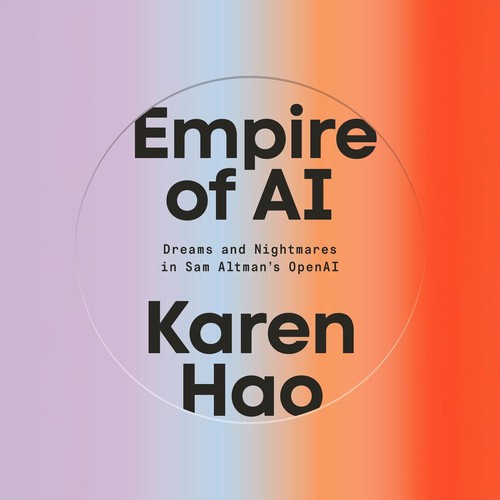
The definitive piece of investigative journalism on OpenAI: 260+ interviews, the clash between safety and speed, and the attempted firing of Sam Altma
As an Amazon Associate, Zendoric earns from qualifying purchases; the price does not change for you. · all our recommended books →
OpenAI said on Friday it plans to stop providing its AI models to Cursor, the coding assistant now owned by Musk's SpaceX, according to Reuters. In a blog post cited by the agency, OpenAI justified the move by saying it "cannot be confident that SpaceX will use our technology within our terms of service, based on our experience with Elon Musk's companies violating contracts," and specifically alleged that X — formerly Twitter, now part of SpaceX — breached its contract with OpenAI after Musk acquired the platform. The company proposed a shutoff date of November 12, 2026, noting that its agreement with Cursor gave it a limited window to cancel following "a change of control." SpaceX announced the $60 billion all-stock acquisition of Anysphere, Cursor's maker, in June and closed it earlier this month.
The personal context is impossible to separate from the commercial one. Musk and Altman have been at odds for years, culminating this year in a trial over Musk's $150 billion lawsuit accusing OpenAI of "stealing a charity"; a federal jury ruled against him on the grounds that he filed too late, per Reuters. Musk's public reply to the cutoff was "I couldn't care less," alongside a repeated claim that Altman and OpenAI president Greg Brockman "stole an open source nonprofit" — an accusation, not an established fact. Meanwhile Michael Truell, a Cursor co-founder now a SpaceX executive, said the company was talking to OpenAI to resolve the issue, and Anthropic co-founder Tom Brown said his company would increase compute to support Claude models in Cursor. Those two reactions matter more than the insults.
Strip away the theatrics and what's left is a contract clause. "Change of control" provisions are boilerplate in enterprise deals, but here one of them just relocated a piece of the developer toolchain. OpenAI is within its stated rights and says large partners require custom contracts to ensure terms-of-service compliance and "safety at scale." Fair enough. The uncomfortable corollary is that the world's most-used coding assistants sit on top of a supply chain where the supplier is also a direct competitor, and where a corporate acquisition — or a grudge — is sufficient cause for termination with roughly ten weeks' notice.
SpaceX effectively bought a dependency along with the product. Part of Cursor's original value was routing developers to whichever frontier model performed best on a given task; a Cursor that can no longer reach GPT-class models is a narrower tool, at least until it rebuilds around alternatives. That's precisely why Anthropic moved within hours: in a market where the model layer is contested but the workflow layer is where users actually live, being the default fallback inside a widely deployed editor is worth more than any benchmark win. Our own quality index still puts Anthropic and OpenAI at the front, with Chinese open-weight models (GLM, Qwen, DeepSeek) uncomfortably close behind — and open weights are the one option nobody can revoke by email.
Our reading: this is a short-term story about two men who dislike each other, and a long-term story about architecture. The near-term picture is genuinely unhealthy — capability concentrated in a handful of labs, distribution decided partly by personal animosity, and terms-of-service enforcement doubling as competitive leverage with no neutral referee. We won't pretend that's fine. But the response it forces is the right one: model-agnostic abstraction layers, real multi-vendor routing, and serious local and open-weight fallbacks as standard engineering practice rather than a hobbyist flourish. Every builder who reads this and adds a second and third provider makes the ecosystem harder to hold hostage.
That's the path we keep betting on. The road to AI that cures diseases and creates broad abundance does not run through a stack where one supplier can dark a product it competes with. It runs through substitutable, auditable, plural infrastructure — the boring plumbing that survives feuds. November 12 is a deadline for Cursor; for everyone else it's a free lesson in vendor risk, and the cheapest one they'll get.
📚 Go deeper
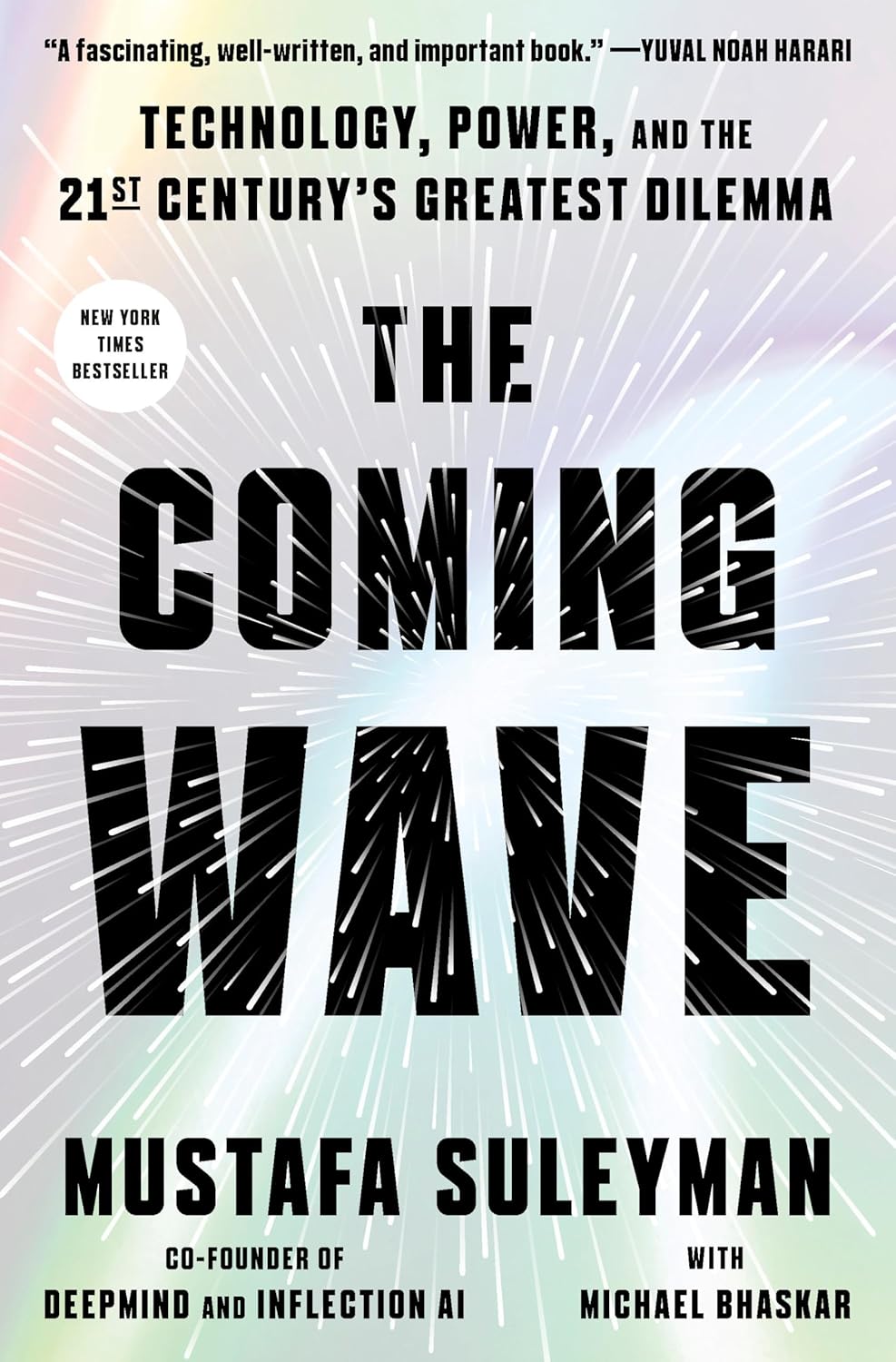
DeepMind co-founder on the dilemma of containing technologies that do not want to be contained.
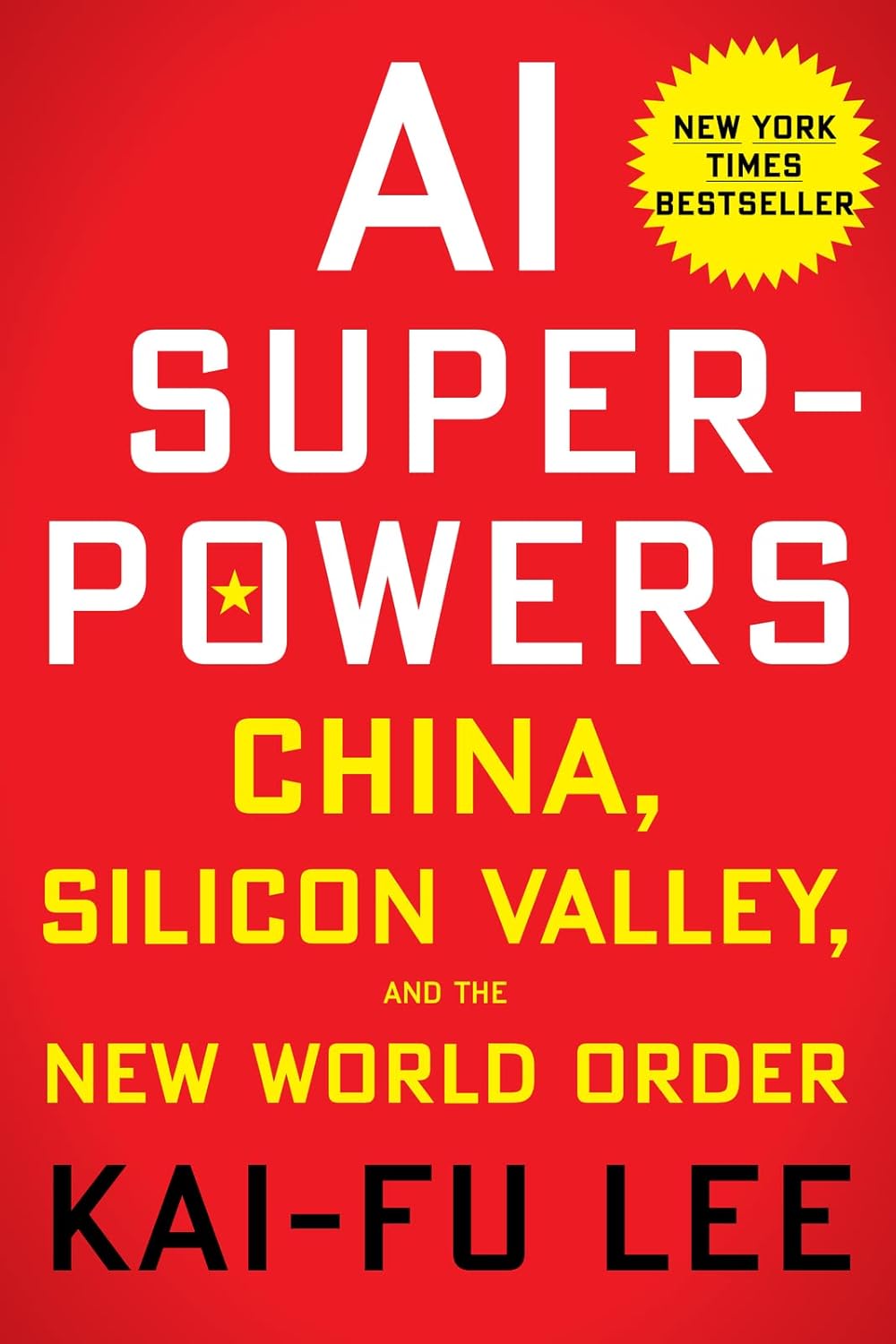
China vs.
As an Amazon Associate, Zendoric earns from qualifying purchases; the price does not change for you. · all our recommended books →
🔗 Related on Zendoric
- Anthropic's $40B bill to Musk shows compute, not cleverness, is the real chokepoint in frontier AI · 2026-09-02
- Amazon closes its AGI Lab after 18 months: it would rather own the toll road than win the model race · 2026-07-27
- Anthropic's $40B compute deal with Musk: the safety lab now rents its future from a rival · 2026-07-31