Cursor will lose access to OpenAI's coding models on November 12

🕒 Published on Zendoric: September 2, 2026 · 08:27
✨ AI-generated · how it's made
OpenAI has told Cursor, the AI-assisted coding platform, that it will stop providing access to its models as of November 12, 2026. The decision comes after SpaceX, Elon Musk's company, acquired Anysphere, Cursor's parent company.
📚 Go deeper
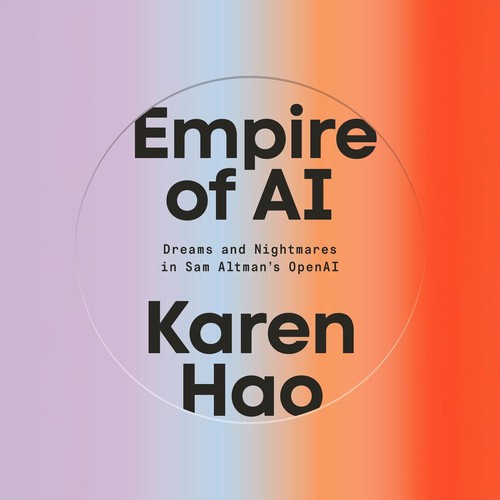
The definitive piece of investigative journalism on OpenAI: 260+ interviews, the clash between safety and speed, and the attempted firing of Sam Altma
As an Amazon Associate, Zendoric earns from qualifying purchases; the price does not change for you. · all our recommended books →
OpenAI has told Cursor, the AI-assisted coding platform, that it will stop providing access to its models as of November 12, 2026. The decision comes after SpaceX, Elon Musk's company, acquired Anysphere, Cursor's parent company. In a blog post, OpenAI explained: "Today we notified SpaceX that we intend to terminate our contract that provides OpenAI models to Cursor, with a proposed cutoff date of November 12, 2026."
OpenAI's rationale rests on its distrust over whether SpaceX will honor the terms of service for its models. The company pointed to the track record of Musk's companies: after the purchase of Twitter (now part of SpaceX), the social network breached the terms of several contracts, according to OpenAI, and under oath this year Musk allegedly admitted that xAI, also part of SpaceX, violated OpenAI's terms of service — terms similar to those xAI itself applies to third parties. This episode is part of the broader legal dispute pitting Musk against OpenAI, after the entrepreneur sued the company over its transition from an organization controlled by a nonprofit entity toward a for-profit structure, to which OpenAI has responded with accusations about Musk's conduct and his competing AI projects.
With this move, companies and developers using OpenAI models within Cursor have roughly ten weeks to decide whether to migrate to other models available on the platform itself or to switch development environments outright. According to Abhishek Satapathy, principal analyst at Avasant, that window may be enough to assess the impact and draw up a plan, but the operation will not be trivial: even those who only switch models within Cursor will have to validate the replacement against workflows that today depend on OpenAI, including repository-level coding, debugging, refactoring, test case generation, multi-file changes and tasks in which an agent must inspect the code, apply a sequence of changes, run tests and correct its own errors.
That need for validation stems from differences in how each model handles coding, reasoning, tool use and the interpretation of instructions. Manoj Chandra Jha, principal analyst at Nord-IQ Research, notes that developers may find that prompts or agent instructions that work well with OpenAI models produce different results with another model, which will force companies to readjust prompts and evaluations. Bhupendra Chopra, chief revenue officer at the consultancy Kanerika, agrees that such recalibration could translate into a short-term drop in productivity while teams rebuild prompts and workflows and adapt to the replacement model's behavior.
For companies considering leaving Cursor altogether, the complexity increases further still. According to Satapathy, switching coding platforms would require retraining developers, rebuilding integrations and agent configurations, and repeating security and governance reviews — all of which not only takes time but also adds costs.
The episode highlights a broader problem: companies' dependence on AI model providers and on the commercial relationships that determine where those models can be used. Pareekh Jain, principal analyst at Pareekh Consulting, warns that companies can no longer assume that a model available today on a coding platform will still be there tomorrow, since acquisitions, contracts, competition or regulation can change that situation at any moment. He therefore recommends that organizations support multiple models, test alternatives regularly and avoid letting important workflows depend on a single model. Satapathy extends that same principle to coding platforms, suggesting that companies assess whether prompts, agent configurations, evaluation methods and tool integrations can be reused when the underlying model changes.
The move also carries risks for the providers themselves, especially for OpenAI. Cursor appears to be in a better position to retain its customers, since they can keep using the platform with other models, particularly thanks to Anthropic's committed backing. OpenAI, by contrast, risks losing usage from developers who migrate to alternatives such as Claude without even having to change coding environments.
📚 Go deeper
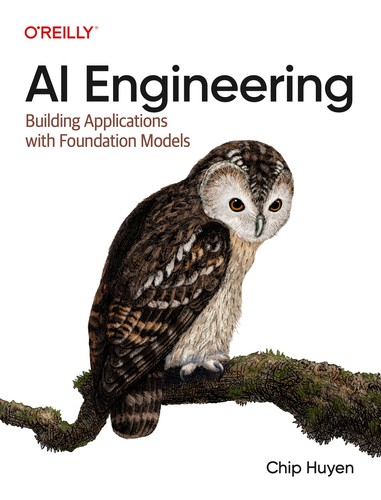
The reference manual for building products on top of AI models: prompts, RAG, fine-tuning, agents, evaluation and deployment.
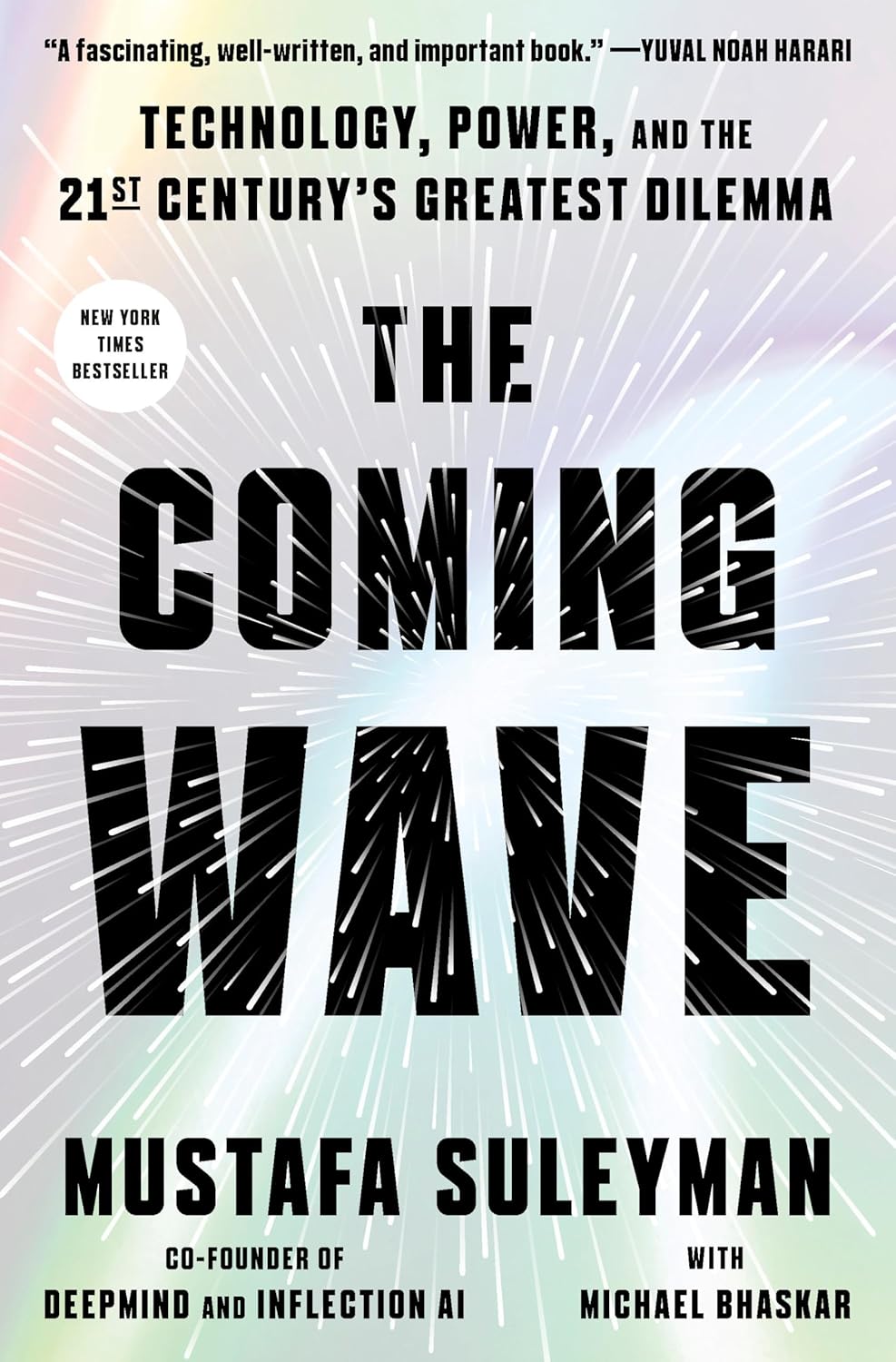
DeepMind co-founder on the dilemma of containing technologies that do not want to be contained.
As an Amazon Associate, Zendoric earns from qualifying purchases; the price does not change for you. · all our recommended books →
🔗 Related on Zendoric