Young Americans are turning more hostile toward AI out of fear of losing their jobs

🕒 Published on Zendoric: September 1, 2026 · 00:48
✨ AI-generated · how it's made
A Pew Research Center survey, with data collected in June, reveals a notable shift in how US adults under 30 view artificial intelligence.
📚 Go deeper

The best starting book if you're not technical: a Wharton professor explains how to work WITH AI — when to delegate, when to supervise, when to keep i
As an Amazon Associate, Zendoric earns from qualifying purchases; the price does not change for you. · all our recommended books →
A Pew Research Center survey, with data collected in June, reveals a notable shift in how U.S. adults under 30 perceive artificial intelligence. For the first time since Pew began conducting this poll in 2021, a majority of young adults say they feel more concerned than excited about AI. That brings this age group into line with most other age cohorts, but the change is striking because young people had until now been the segment most optimistic about the technology's potential, and they have moved to being among the most skeptical.
The survey's most emphatic figure is that nearly three-quarters of young adults believe AI will mean fewer jobs available, compared with the 61% who thought the same two years ago. This concern is not exclusive to the youngest: more than half of all Americans surveyed say they are worried about AI, according to the same Pew data.
The article points to a paradox in young people's relationship with technology: they are the most fluent users, yet at the same time they are entering the job market just as AI threatens to erode the entry-level positions that have traditionally served as a gateway to employment. By contrast, those already established in their careers show an increasingly positive attitude toward AI, reinforcing the idea that the technology especially benefits those who already have accumulated experience.
As for the real impact on hiring, the text acknowledges that it is hard to quantify precisely, since the surge in AI adoption has coincided with a weaker economy, making it difficult to separate the two factors. It also notes that the technology can automate parts of a job without eliminating it entirely. Even so, there are signs that early-career hiring has slowed, and several U.S. executives have openly acknowledged that AI makes it possible to save costs by automating certain functions within their workforces.
It is worth noting that the article, published in an outlet specializing in the insurance sector, provides no further details on methodology, sample size or demographic breakdowns beyond those mentioned, so this summary is strictly limited to the data and statements that appear explicitly in the original text, attributed to information from Bloomberg.
📚 Go deeper
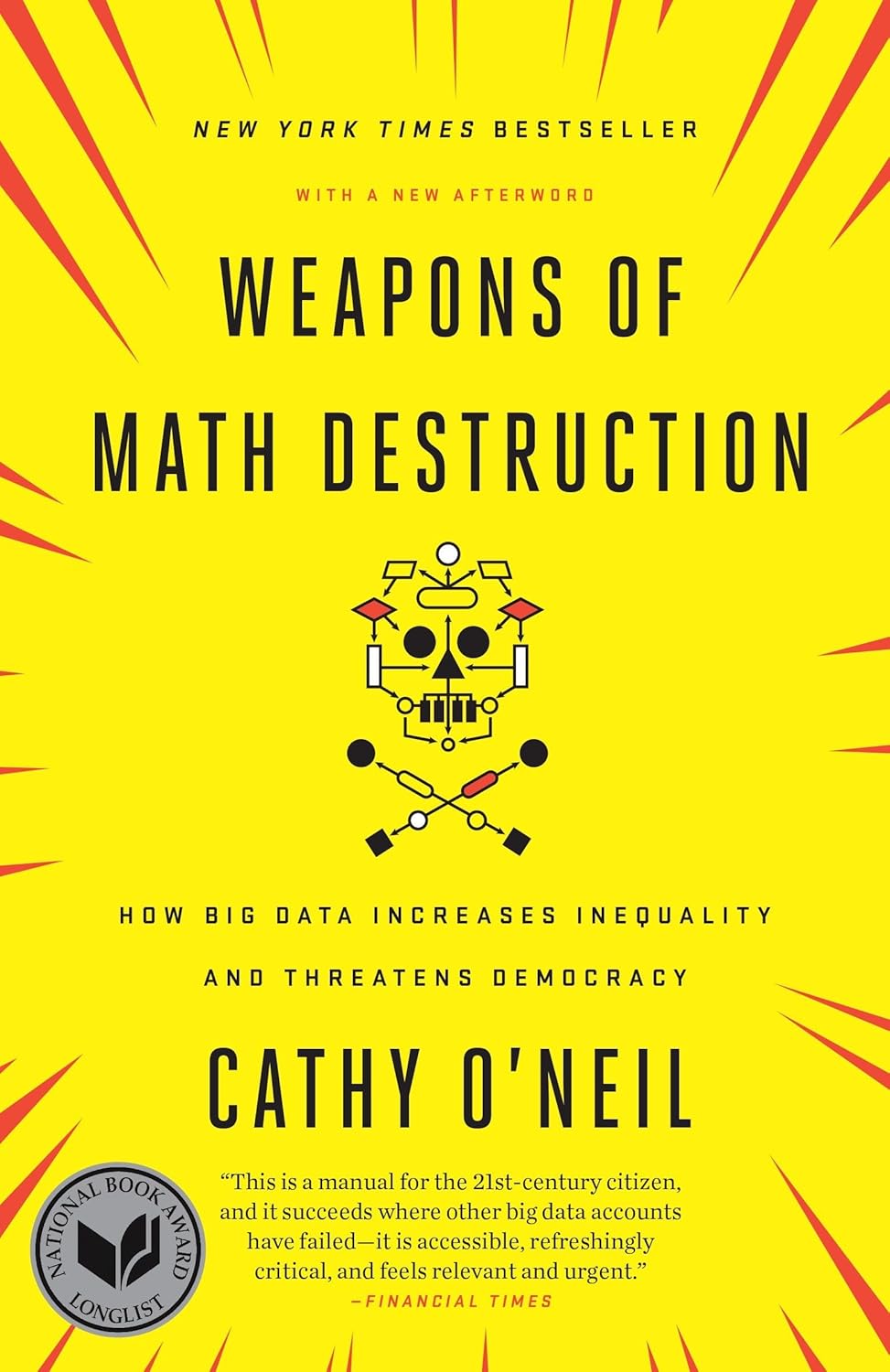
How opaque algorithms decide who gets credit, a job or parole — and why they tend to punish the same people.
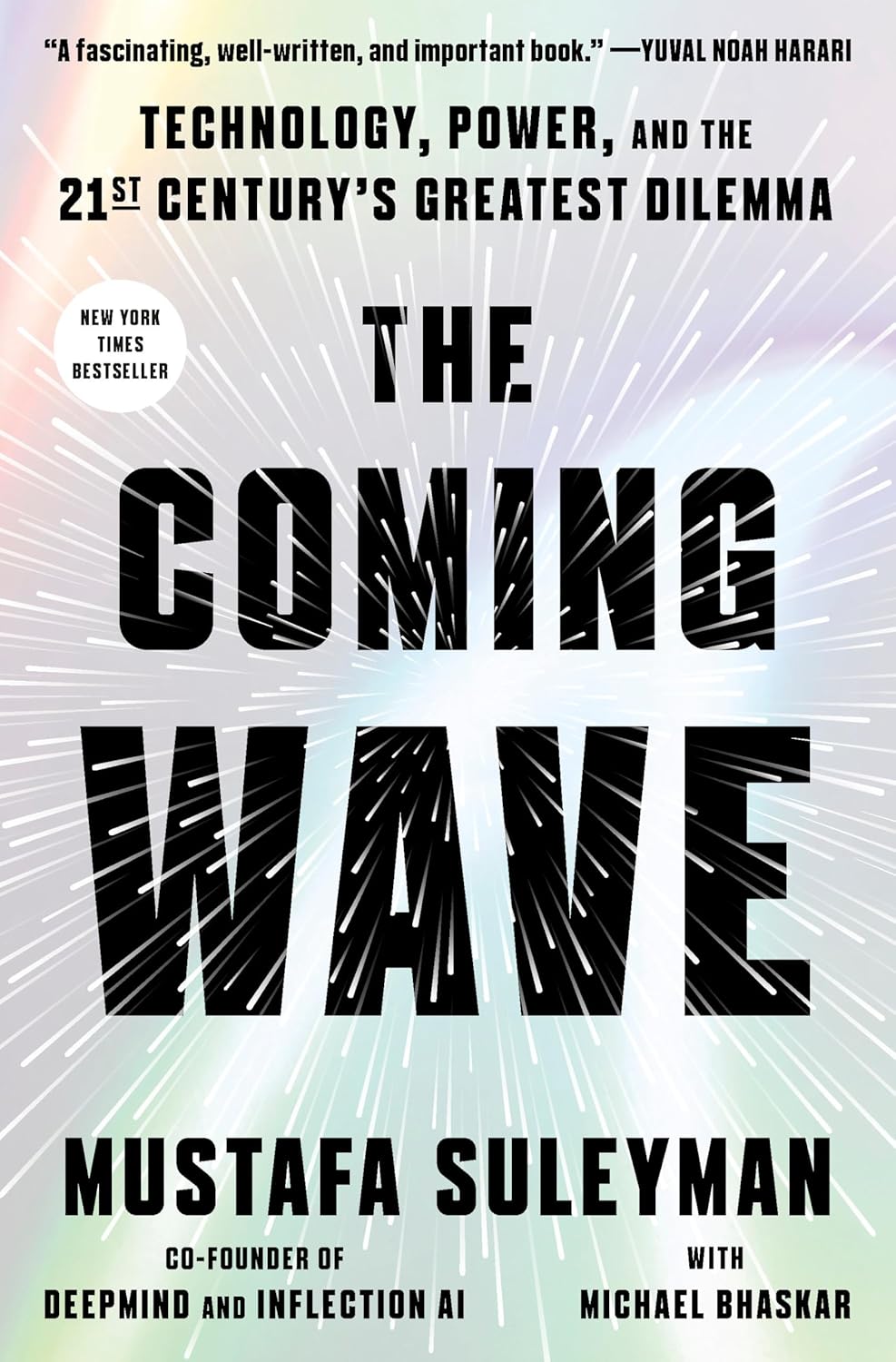
DeepMind co-founder on the dilemma of containing technologies that do not want to be contained.
As an Amazon Associate, Zendoric earns from qualifying purchases; the price does not change for you. · all our recommended books →
🔗 Related on Zendoric
- Majority of U.S. workers back a sovereign AI fund amid rising tech layoffs · 2026-07-15
- Hartford bets on teaching AI to its young people before the job market leaves them behind · 2026-07-01
- Barrancabermeja adds AI drones to its urban surveillance, but the announcement doesn't say what that artificial intelligence does · 2026-07-31