Majority of U.S. workers back a sovereign AI fund amid rising tech layoffs

🕒 Published on Zendoric: July 15, 2026 · 08:41
✨ AI-generated · how it's made
A recent survey reveals a significant shift in U.S. public opinion on how the gains generated by artificial intelligence should be distributed.
📚 Go deeper

The best starting book if you're not technical: a Wharton professor explains how to work WITH AI — when to delegate, when to supervise, when to keep i
As an Amazon Associate, Zendoric earns from qualifying purchases; the price does not change for you. · all our recommended books →
A recent survey reveals a significant shift in US public opinion about how the gains generated by artificial intelligence should be distributed. According to a national poll conducted by the research firm Verasight among 1,690 adults during June and published in early July, 69% of Americans now support "forcing" AI companies to transfer 50% of their shares to a publicly owned sovereign wealth fund.
Benjamin Leff, CEO of Verasight, explained that, in the public's eyes, this type of AI sovereign fund is seen as a tool for redistributing the gains generated by the artificial intelligence industry back to society at large.
The proposal connects directly with a specific legislative initiative: in June, Senator Bernie Sanders introduced the "American AI Sovereign Wealth Fund Act," a bill that, if passed, would grant the public a 50% stake in the largest AI companies in the United States. Sanders defended the measure by stating that it would ensure the economic benefits generated by AI are used to improve everyone's lives, and not simply to further enrich the world's wealthiest people. The senator added that the future of AI and the fate of humanity should not be decided behind closed doors in Silicon Valley by billionaires seeking to maximize their power and profits.
Public backing for this idea does not arise in a vacuum: the growing number of layoffs in the US tech sector has left many workers frustrated and worried about their job security, in a context where corporations continue to increase their capital spending to expand their AI capabilities despite posting rising overall corporate profits. That combination —more corporate earnings alongside more layoffs— fuels the perception that the fruits of AI are not being shared equitably.
The article cites an estimate by Joseph Briggs, senior global economist at Goldman Sachs, according to which more than 9% of the US workforce, around 15 million workers, could lose their jobs during a ten-year transition period toward AI, according to a report the bank published last month. Briggs compares this magnitude to the kind of automation shock and labor reallocation seen in the late 1990s and early 2000s, during other periods of significant technological change. Nevertheless, Goldman Sachs's own report qualifies that these job losses will likely be temporary, since AI is expected to end up creating numerous new jobs over the long term, even as it destroys existing ones.
Beyond the current situation of layoffs, the text reviews the role that sovereign wealth funds can play in the field of AI. According to the research firm Windfall Trust, these funds can lead AI development at the national level by financing capital-intensive infrastructure, acquire equity stakes in AI companies, and capture a share of the economic gains derived from AI for public coffers.
However, Windfall Trust also warns of the tensions inherent to this model: there is a potential conflict between a sovereign fund's financial mandate —maximizing returns for citizens— and its strategic mandate —building national capacity in AI and maintaining influence over the most advanced systems—, since both objectives can clash when the best financial investment turns out to be a foreign AI company rather than a domestic one.
Overall, the article portrays a moment in which US public opinion is increasingly receptive to mechanisms for the forced redistribution of the wealth generated by AI, driven by the concrete job anxiety caused by tech layoffs, while lawmakers such as Sanders try to translate that discontent into specific legislative proposals, and sovereign fund analysts begin to map out the practical dilemmas of implementing such a formula.
📚 Go deeper
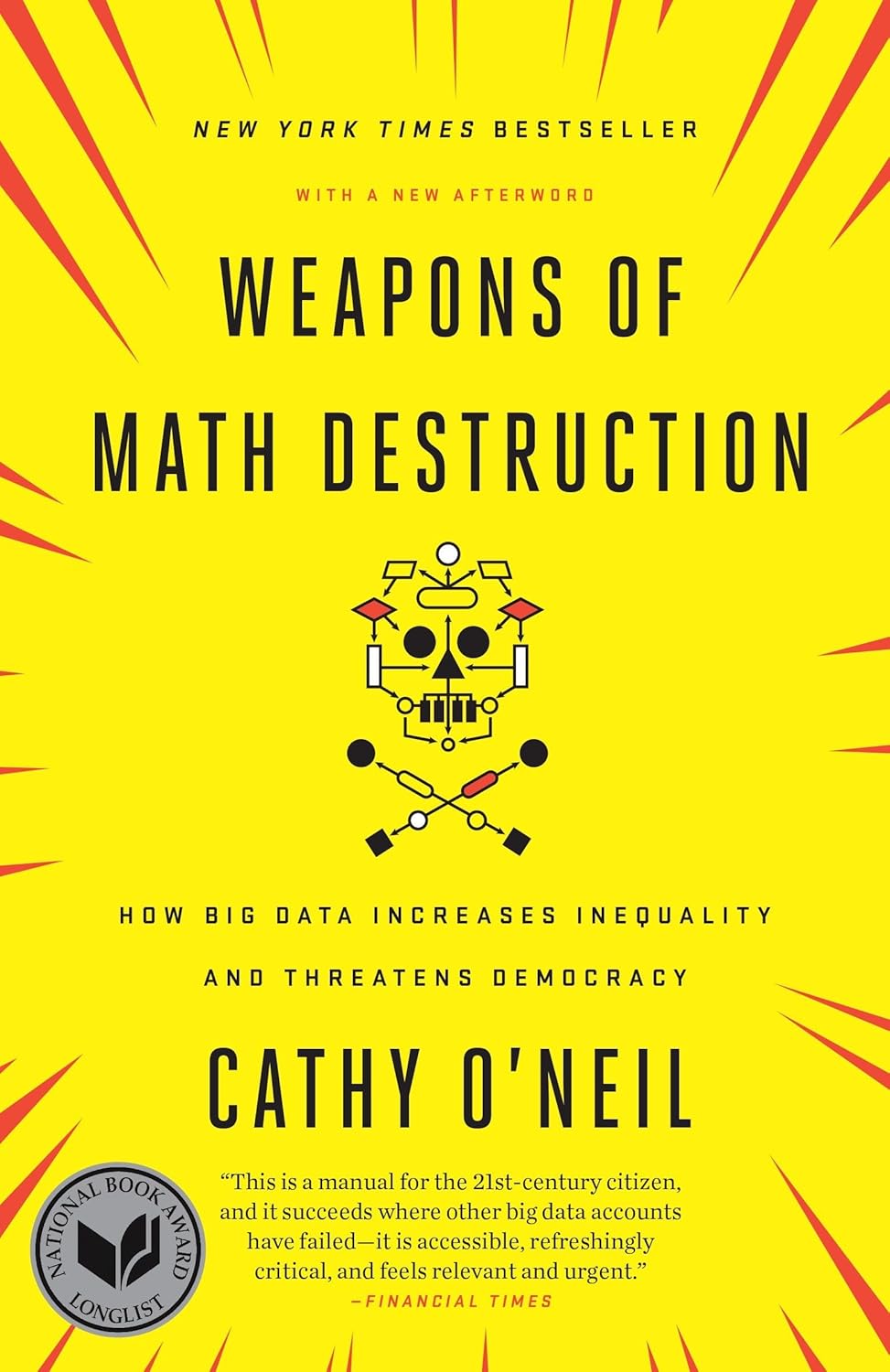
How opaque algorithms decide who gets credit, a job or parole — and why they tend to punish the same people.

The reference manual for building products on top of AI models: prompts, RAG, fine-tuning, agents, evaluation and deployment.
As an Amazon Associate, Zendoric earns from qualifying purchases; the price does not change for you. · all our recommended books →
🔗 Related on Zendoric