India debunks a deepfake of its Finance Minister used to sell an investment scam with absurd returns

🕒 Published on Zendoric: August 31, 2026 · 09:29
✨ AI-generated · how it's made
An AI-generated deepfake shows Indian Finance Minister Nirmala Sitharaman endorsing an investment that promises to multiply capital 100-fold in a month. The government has denied it and is warning of a rise in scams that clone officials to lend credibility to fraud.
📚 Go deeper
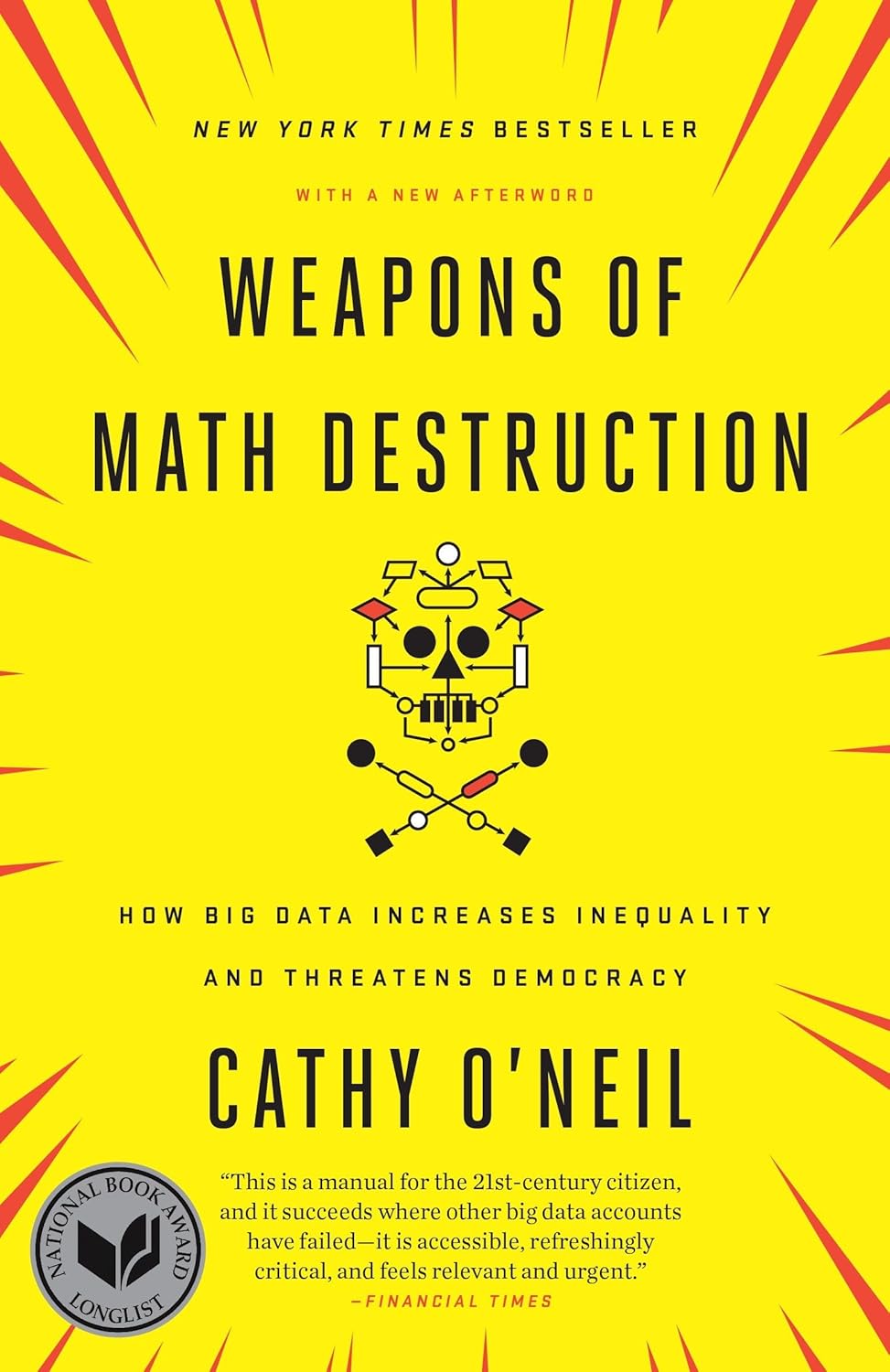
How opaque algorithms decide who gets credit, a job or parole — and why they tend to punish the same people.
As an Amazon Associate, Zendoric earns from qualifying purchases; the price does not change for you. · all our recommended books →
By Zendoric · July 31, 2026.
An AI-generated video is circulating in Facebook ads in India showing Finance Minister Nirmala Sitharaman apparently endorsing an investment platform. The Fact Check Unit of the Indian government's Press Information Bureau (PIB) confirmed on July 30, through its official account, that the video is a fake: the minister has not endorsed the product and has no connection to it whatsoever.
The ad promised to turn an initial investment of 22,000 rupees (around $260 at approximate exchange rates) into returns of 70,000 rupees a day (around $820) and 22 lakh — 2.2 million rupees, close to $26,000 — a month. According to the PIB itself, these are figures with no basis in reality: multiplying capital more than a hundredfold in a matter of weeks is incompatible with any legitimate financial product.
As the agency explains, this case is part of what it describes as an alarming surge: AI-generated videos, fabricated testimonials and doctored images of recognizable figures — officials, business leaders, celebrities — used to lend a veneer of legitimacy to schemes offering guaranteed high returns. The mechanism is always the same: the familiar face substitutes for due diligence, and the victim transfers money or shares banking details before checking anything. The PIB has itself had to debunk other viral hoaxes, from false app bans to quotes attributed to politicians who never said them.
Broadly speaking, this pattern is not unique to India. Over the past two years, deepfakes of central bankers, chief executives and celebrities used as advertising bait have multiplied on Facebook, YouTube and Instagram — platforms where the vetting of financial advertisers remains laxer than the sophistication of the fakes they bankroll.
There is no technical feat to analyze here, and that is precisely why the case is more interesting for what it reveals than for what it shows. Cloning a minister's voice and face well enough to slip an ad past Facebook now costs little money and requires no specialized skill; debunking it, by contrast, still requires a public body to issue a clarification once the video is already circulating with ad money behind it. That asymmetry — creating fakes is cheap and fast, debunking them is slow and depends on someone else spotting it first — is generative AI's real short-term problem, not the distant hypothesis of a model acting on its own.
Over the medium term, it is reasonable to expect a response similar to the one we already know from spam and phishing: provenance standards for audiovisual content, tighter vetting of financial ads by the platforms, and verified official channels as the only default point of trust for any investment decision. None of those pieces is mature yet, and in the meantime the cost of the transition is being paid by citizens with little room to lose a few hundred dollars to a well-disguised fraud. This is exactly the kind of short-term friction that should not be played down: the same technology that within a few years may help diagnose disease earlier or manage savings with better judgment than many human advisers is also, today, a cheap and scalable scam tool. That both things are true at once — and that the second is running ahead of the first in the most vulnerable sectors — is the precise nature of this transition, and the reason verification, not prohibition, is the response that genuinely scales.
📚 Go deeper
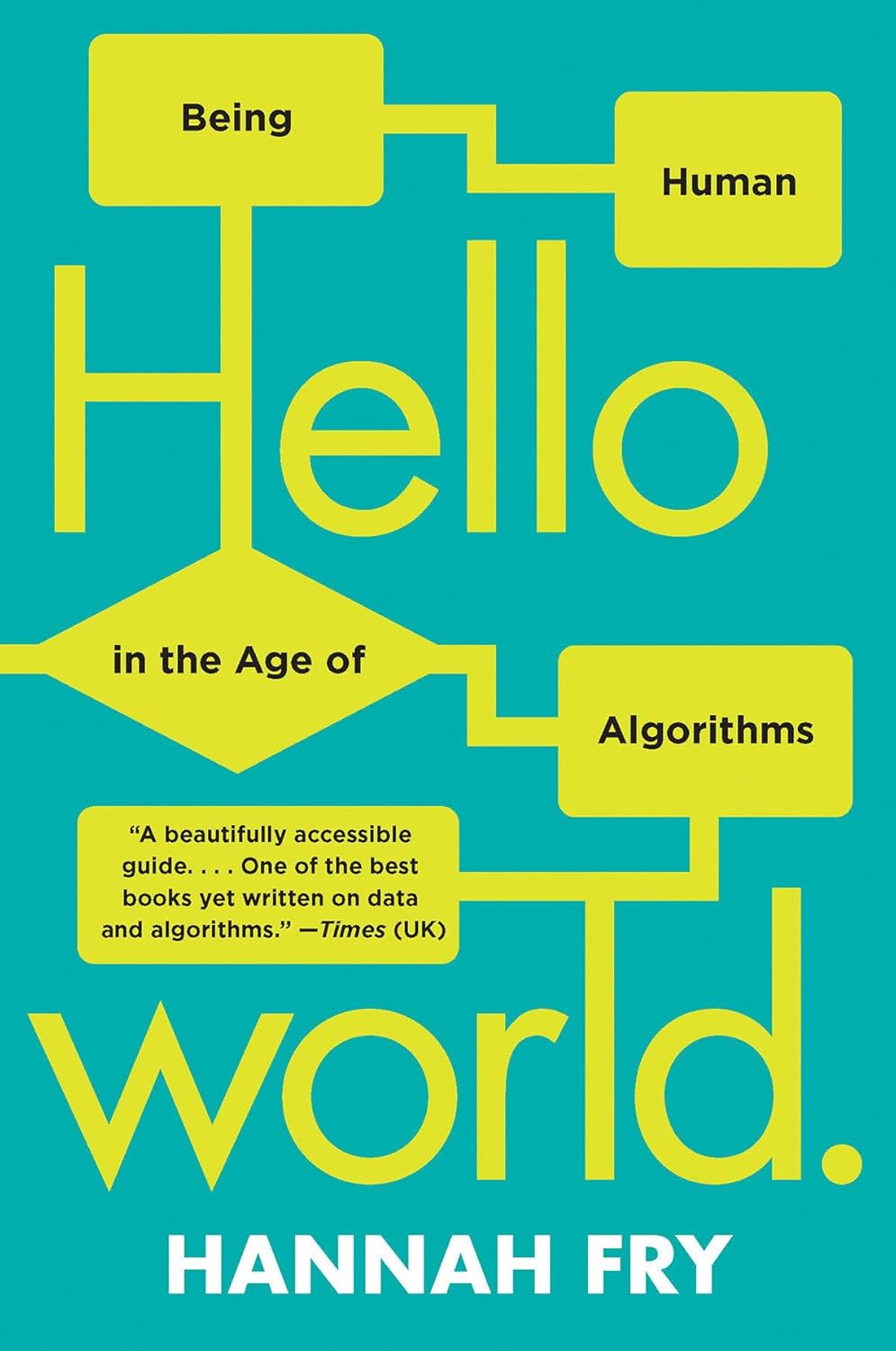
Algorithms in justice, medicine, cars and art, explained with British humor and mathematical honesty.

The best starting book if you're not technical: a Wharton professor explains how to work WITH AI — when to delegate, when to supervise, when to keep i
As an Amazon Associate, Zendoric earns from qualifying purchases; the price does not change for you. · all our recommended books →
🔗 Related on Zendoric
- India debunks a deepfake of its Finance Minister used to sell an investment scam with absurd returns · 2026-07-31
- A Deepfake 'Prince' and Real Losses: Romance Scams Enter the Video-Call Era · 2026-07-04
- A fraud hunter tells Congress: deepfakes are already fooling the U.S. government's identity verification · 2026-07-19