Visa cuts 2,600 jobs in product and tech — and the efficiency story is thinner than the AI headline suggests
🕒 Published on Zendoric: August 31, 2026 · 09:29
✨ AI-generated · how it's made
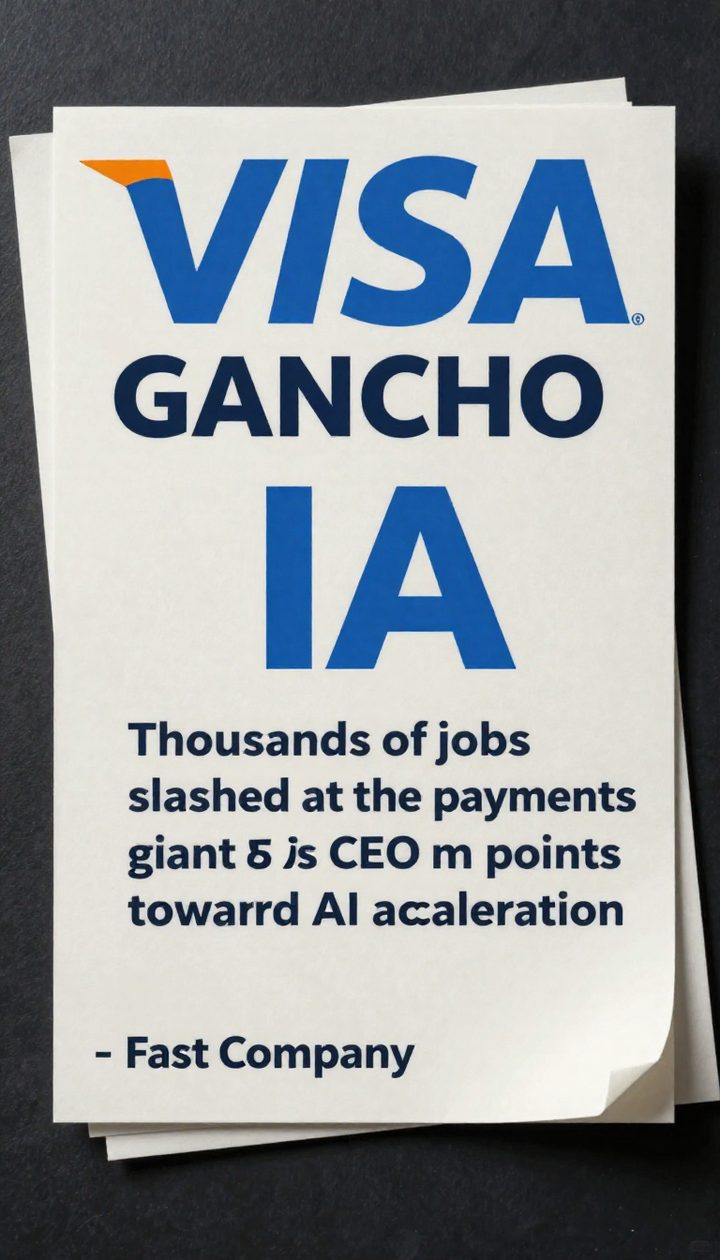
Visa confirmed layoffs of about 2,600 people, roughly 7% of its 34,000-strong workforce, hitting product and technology teams first. The CEO memo talks about efficiency and reinvestment — not, in the quoted excerpts, about AI replacing anyone. The distinction is the whole story.
📚 Go deeper

The best starting book if you're not technical: a Wharton professor explains how to work WITH AI — when to delegate, when to supervise, when to keep i
As an Amazon Associate, Zendoric earns from qualifying purchases; the price does not change for you. · all our recommended books →
Visa Inc. is cutting about 2,600 jobs, roughly 7% of its approximately 34,000 employees, the company confirmed to Fast Company after Bloomberg and others reported the plan. Employees learned via a memo from CEO Ryan McInerney, whose accuracy Visa also confirmed. The cuts land primarily on product and technology teams.
Read the quoted language carefully, because it is doing precise work. McInerney writes of a "deep conviction that we are doing what is right for Visa, our clients and our partners as we continue to focus on driving efficiency across the company in order to reinvest in our highest potential opportunities." That is a capital-reallocation sentence, not an automation sentence. Per Bloomberg, savings will be redeployed into commercial and money-movement solutions, consumer payments, and value-added services including stablecoins. As Fast Company frames it: less about cost-cutting than about freeing up capital to invest elsewhere. The AI-driven efficiency angle is context the reporting places around the decision — it is not a claim in the memo excerpts that AI is doing the eliminated work.
That gap between headline and document is where most of the current AI-and-jobs discourse lives, and it deserves naming. There is no disclosed figure attributing any specific number of these 2,600 roles to AI systems. There is a company under real competitive pressure from smaller, nimbler fintech startups, choosing to move money from one part of itself to another, in a year when "AI efficiency" is the most capital-friendly explanation available for any headcount decision. Both causes can be operating at once. Only one of them is documented.
The detail that should genuinely update our thinking is where the axe fell. We have argued consistently across our sector work that in banking and payments the most exposed roles are administrative and back-office, while judgment, client relationships and in-person work hold up better. Here the cuts hit product and technology first. That is not a refutation, but it is a complication worth absorbing: when a firm decides the strategic bet has moved — toward stablecoins, toward money movement — the people building the previous roadmap become the surplus, regardless of how technical their work is. Being close to the technology is not the same as being close to where the capital is going. Engineers are not automatically on the safe side of this transition; they are on the side of whichever roadmap survives the reallocation.
Our reading: watch the reinvestment, not the headcount. A company shrinking 7% while pouring the savings into stablecoin infrastructure and money-movement products is telling you what it thinks the next decade of payments looks like, and that signal is far more informative than the layoff number. It also fits the pattern we expect to see repeatedly through the late 2020s — not mass unemployment announced as such, but continuous internal churn, in which the same firm sheds thousands and hires into different functions, and the aggregate figures look calmer than any individual career does.
We are not going to pretend that is painless. Two thousand six hundred households are absorbing a strategy change they did not choose, and the honest framing is that the productivity gains AI is starting to deliver inside large enterprises are captured as reinvestment capital long before they show up as shorter hours or better pay for the people who remain. That is the transition cost, and it is real. The longer arc still points somewhere better: payments infrastructure that clears faster and cheaper, a financial system where the administrative overhead of moving money keeps falling toward zero, and — eventually — output per worker high enough to make the current bargain look unnecessarily brutal. But nothing about that arc is automatic, and it does not arrive on schedule for anyone who got the memo this week. The useful question for workers inside institutions like this one is not whether AI will take the job. It is whether the job sits on the roadmap the capital is moving toward.
📚 Go deeper
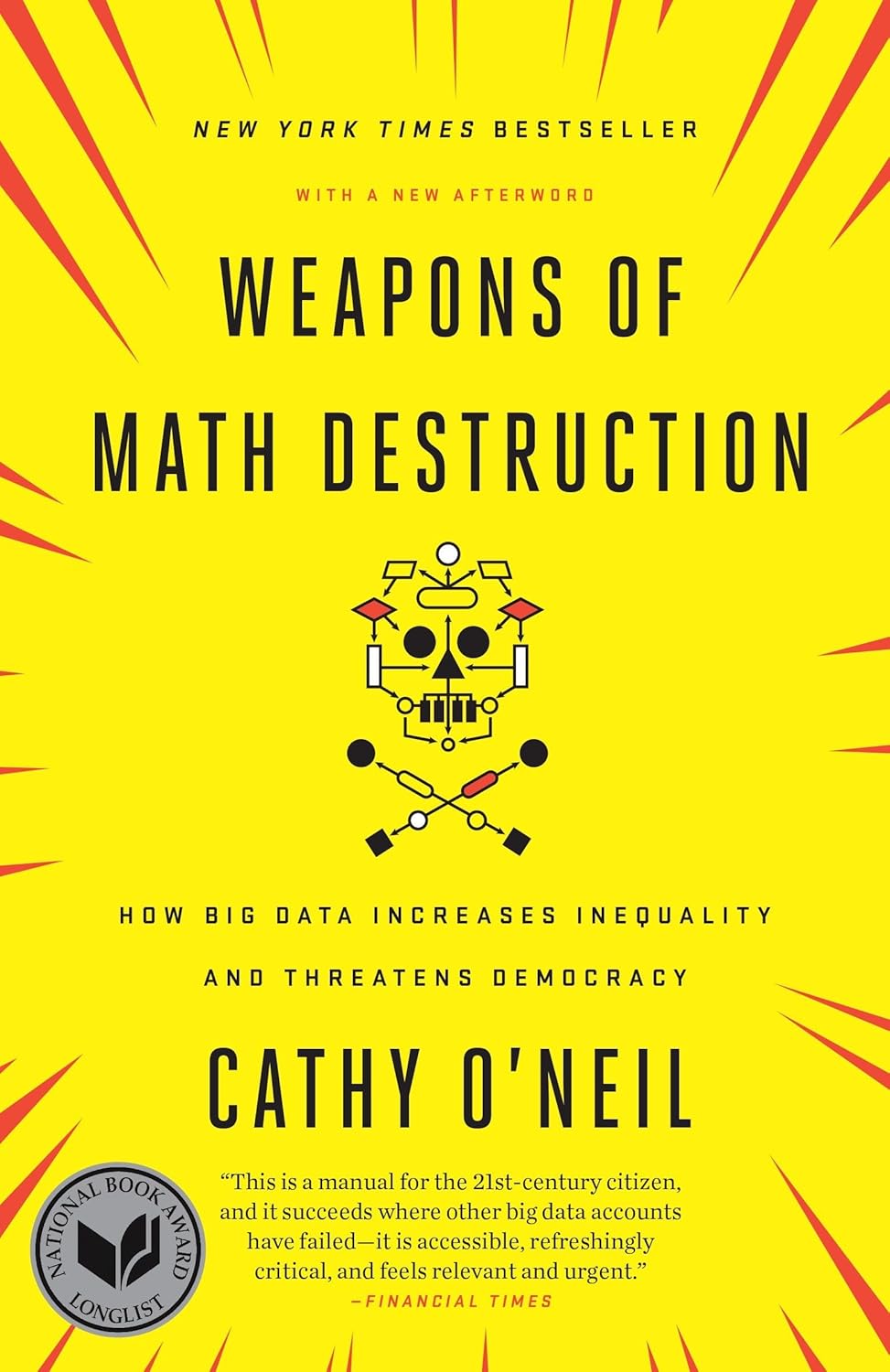
How opaque algorithms decide who gets credit, a job or parole — and why they tend to punish the same people.

The reference manual for building products on top of AI models: prompts, RAG, fine-tuning, agents, evaluation and deployment.
As an Amazon Associate, Zendoric earns from qualifying purchases; the price does not change for you. · all our recommended books →
🔗 Related on Zendoric
- Visa cuts 2,600 jobs — and it is product and engineering teams, not the back office, taking the hit · 2026-07-30
- Visa cuts 2,600 jobs from product and tech — and the efficiency story now points upmarket, not at the back office · 2026-07-31
- Visa cuts 2,600 jobs mostly in product and tech — the memo says "efficiency," the headlines say AI · 2026-07-28