Leopold Aschenbrenner's AI hedge fund collapses and is forced to sell off its entire public portfolio

🕒 Published on Zendoric: July 31, 2026 · 15:01
✨ AI-generated · how it's made
Situational Awareness, the hedge fund founded by former OpenAI researcher Leopold Aschenbrenner, has been forced to liquidate all of its stock market positions after heavy losses on its bets on artificial intelligence infrastructure, according to sources cited by CNBC.
📚 Go deeper
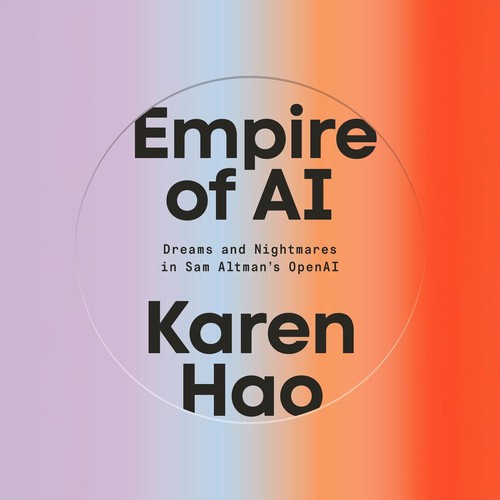
The definitive piece of investigative journalism on OpenAI: 260+ interviews, the clash between safety and speed, and the attempted firing of Sam Altma
As an Amazon Associate, Zendoric earns from qualifying purchases; the price does not change for you. · all our recommended books →
Situational Awareness, the hedge fund founded by former OpenAI researcher Leopold Aschenbrenner, has been forced to liquidate all of its stock market positions after suffering heavy losses on its bets on artificial intelligence infrastructure, according to sources cited by CNBC. Ken Griffin's Citadel has reached an agreement to buy the fund's listed assets, according to people familiar with the deal.
The fund's prime brokers — among them Bank of America, Goldman Sachs and JPMorgan Chase — have been working at speed to help Situational Awareness raise liquidity and meet margin calls, or else to unwind its positions in an orderly fashion. Before Thursday's market open, these banks were already marketing a block of the fund's holdings, both long and short, according to the sources consulted. The situation is described as fluid, and it could not be established with certainty whether the fund managed to meet its margin calls through these sales.
The collapse stems from two fronts. On one hand, the fund's AI infrastructure portfolio — with positions such as SK Hynix — has fallen sharply in recent weeks. On the other, a bearish bet (short positions) against software companies, including Adobe, moved significantly against it. The fund had reached a size of up to $45 billion in early July, just before the major losses began, according to a person familiar with the figure.
The fund's largest holdings at the end of the first quarter included Nebius Group, Sandisk, Micron and CoreWeave, according to regulatory filings. All four companies have fallen more than 35% this month alone, giving a sense of the scale of the punishment suffered by the AI infrastructure segment in which Situational Awareness was heavily concentrated.
One especially sensitive point is Anthropic: the fund had been negotiating the sale of its stake in the company, though it is unclear whether that deal was completed. A spokesperson for the fund expressly denied that the stake was being marketed, contradicting earlier reports on the matter.
The timing is particularly awkward for Aschenbrenner, who is getting married this very weekend, according to two sources. He is engaged to Avital Balwit, chief of staff to Anthropic chief executive Dario Amodei, according to a profile published in October by Fortune magazine.
The article frames this episode as an early, and potentially highly significant, test of the investment thesis that made Aschenbrenner one of the most closely followed figures in the world of AI investing. At 25, he built his firm around the idea that increasingly powerful AI systems would require a massive expansion of chips, memory, data centers and power generation.
Aschenbrenner became known in technology and investment circles after publishing a series of essays in 2024 — titled 'Situational Awareness', the name his fund would later take — arguing that rapid advances in AI would require an enormous expansion of computing power, advanced semiconductors, memory and energy infrastructure. Those ideas became the intellectual foundation of the fund after he left OpenAI.
His earlier track record includes graduating from Columbia University as valedictorian at 19, before joining OpenAI's Superalignment team. He was fired from the company in 2024, officially for what OpenAI described as an improper disclosure of internal information. Aschenbrenner has disputed that account, saying he shared a largely non-confidential planning document with outside researchers to gather their feedback, and has maintained that his departure was linked to tensions arising from warnings he himself raised about OpenAI's safety practices. The company, for its part, has said those concerns were unrelated to his dismissal. According to Fortune, the investor also had a brief stint at a philanthropic fund created by FTX founder Sam Bankman-Fried.
Neither the exact size of the fund's losses nor the amount of capital it was trying to raise could be immediately determined. In any case, the episode illustrates the extreme volatility currently surrounding concentrated bets on the artificial intelligence supply chain: the same set of convictions — the need for more chips, memory and data centers — that multiplied the fund's returns on its climb toward $45 billion is now amplifying its losses as those same stocks fall sharply over a short period of time.
📚 Go deeper
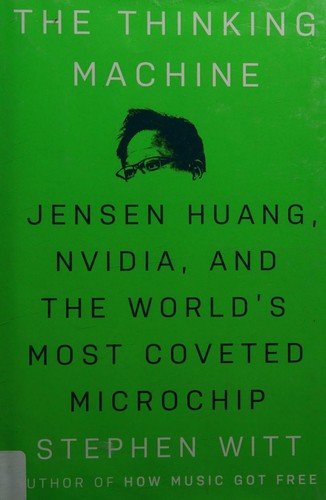
The story of NVIDIA and Jensen Huang: how a video-game card company ended up making the most coveted resource on the planet.
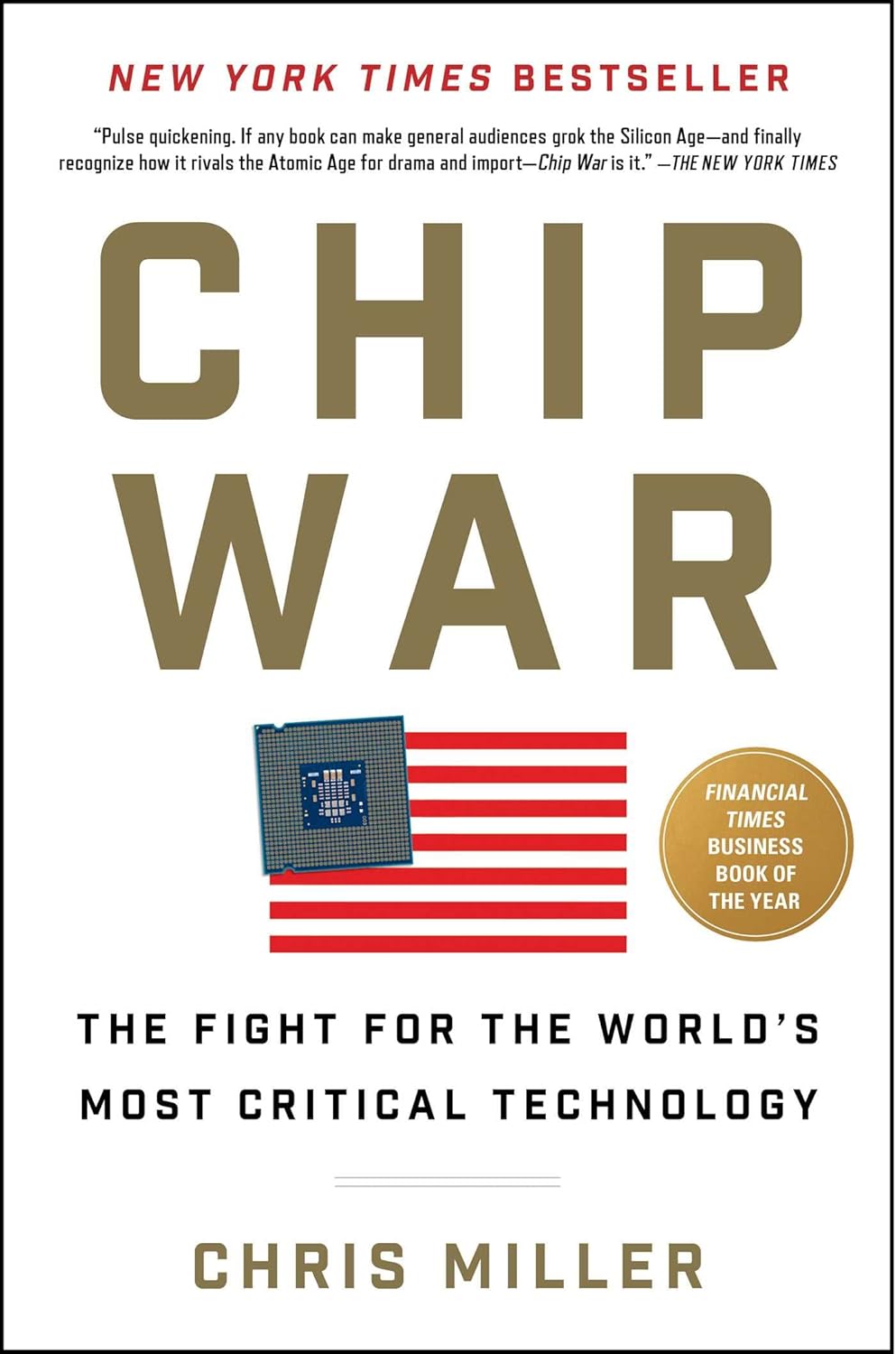
Semiconductors as the oil of the 21st century: history, espionage, and why an island of 23 million people underpins the entire AI economy.
As an Amazon Associate, Zendoric earns from qualifying purchases; the price does not change for you. · all our recommended books →
🔗 Related on Zendoric
- Leopold Aschenbrenner's AI hedge fund collapses and is forced to sell its entire public portfolio · 2026-08-31
- The 2026 'IPO of everything': why the SpaceX, OpenAI and Anthropic figures call for scrutiny before enthusiasm · 2026-07-13
- Thinking Machines, Mira Murati's lab, launches Inkling: an open model with 975 billion parameters · 2026-07-17