The 2026 'IPO of everything': why the SpaceX, OpenAI and Anthropic figures call for scrutiny before enthusiasm

🕒 Published on Zendoric: July 13, 2026 · 00:21
✨ AI-generated · how it's made
An AI trading blog promises that SpaceX, OpenAI and Anthropic will go public this summer for a combined total of more than $3 trillion. The figures are flashy, primary sources are nowhere to be found, and that —not the stock-market excitement— is the first thing that deserves attention.
📚 Go deeper
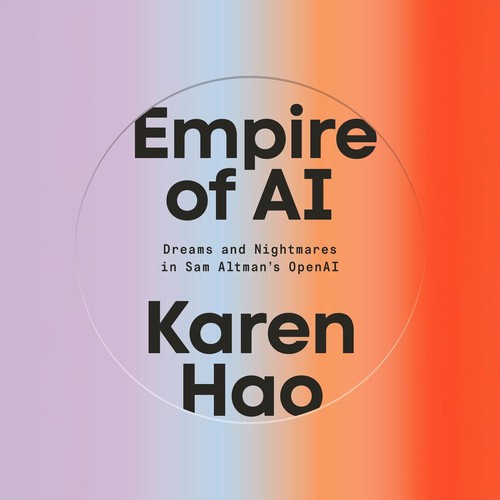
The definitive piece of investigative journalism on OpenAI: 260+ interviews, the clash between safety and speed, and the attempted firing of Sam Altma
As an Amazon Associate, Zendoric earns from qualifying purchases; the price does not change for you. · all our recommended books →
By Intellectia AI · July 12, 2026.
The original article—written by the blog of an AI-based trading tool, Intellectia.AI, which closes the text by inviting readers to use its product—paints a summer of 2026 in which five private giants (SpaceX, OpenAI, Anthropic, Stripe and Databricks) would go public almost simultaneously, adding up to more than $3 trillion in value. The figures it cites are spectacular: SpaceX at $1.75 trillion with a $75 billion offering (surpassing Saudi Aramco's 2019 record), OpenAI at $852 billion, Anthropic at $380 billion with an estimated listing in October 2026 and an estimated offering of $60 billion, and Databricks between $62 billion and $134 billion with $1.6 billion in annual recurring revenue.
It is worth saying with total clarity: none of these specific figures—the codename 'Project Apex' for SpaceX's S-1, the SpaceX-xAI merger dubbed 'Orbital Intelligence', the October date for Anthropic, the law firm hired, or the exact valuations of each company—comes from a verifiable primary source cited in the article itself (no public S-1s, no official statements, no financial-media reporting with names attached). The text does not link to regulatory documents or company statements. Coming from a blog whose business model is selling AI-generated trading signals, skepticism is not optional: it is the correct stance. That Anthropic, OpenAI and SpaceX are all on trajectories of rising valuation and under liquidity pressure for early investors is plausible and consistent with what has been reported in serious outlets over recent months; that there is already a concrete IPO calendar, a consummated SpaceX-xAI merger under a new corporate name, or an $852 billion figure for OpenAI, are claims this material does not allow us to take as proven.
That said, the underlying phenomenon—that these companies are approaching some kind of public liquidity event, whether a traditional IPO, a direct listing or a regulated secondary market—is real and has been discussed in the sector for some time. And there, indeed, there is an industry reading worth making, regardless of whether this article's exact dates and figures are confirmed or not.
The first is that the scale these conversations involve—whatever the final figure—confirms that AI investment has ceased to be a venture-capital phenomenon and has become a macro bet that demands entire public markets. When a single deal can rival the GDP of mid-sized countries in size, the relevant question for the ordinary investor stops being 'is this stock going to rise?' and becomes 'can a valuation of dozens of times revenue hold up once quarterly scrutiny sets in?'. That is exactly what the article itself acknowledges without meaning to: it multiplies revenue by multiples of nearly 100 times and calls that 'opportunity'. In our reading, it is more honest to call it what it is: an expectation premium that only holds if execution is impeccable for years, something the history of public markets rarely grants without painful corrections along the way.
The second, more fundamental, reading is the one that does connect with the thesis we have been maintaining about this AI cycle. If companies like Anthropic and OpenAI do end up publicly traded—this year or next—it will be the clearest sign to date that the industry is beginning to shift from the speculative-bet phase to the fundamentals-scrutiny phase: real revenue, real margins, a path to profitability. That transition will be uncomfortable in the short term—and will probably generate sharp corrections when private valuations collide with the discipline of quarterly reports—but it is exactly the kind of discipline a sector needs that until now has largely lived on the faith of private investors. In the long term, having public-market capital finance these companies' compute infrastructure, safety research and R&D is good news for the underlying goal: the more compute capacity and available capital, the closer we are to AI delivering on its promise of abundance and advances in health, although the road, as usual, will not be linear nor free of bubbles along the way.
Overall, when a text about finance and AI comes wrapped in a call to action to buy a trading tool, the prudent reader does what they would do with any brochure: they keep the trend diagnosis (yes, there is growing pressure for the AI giants to generate public liquidity) and discard the wrapping of hyper-specific figures and dates until they appear in a real S-1 or in the company's own statement.
📚 Go deeper
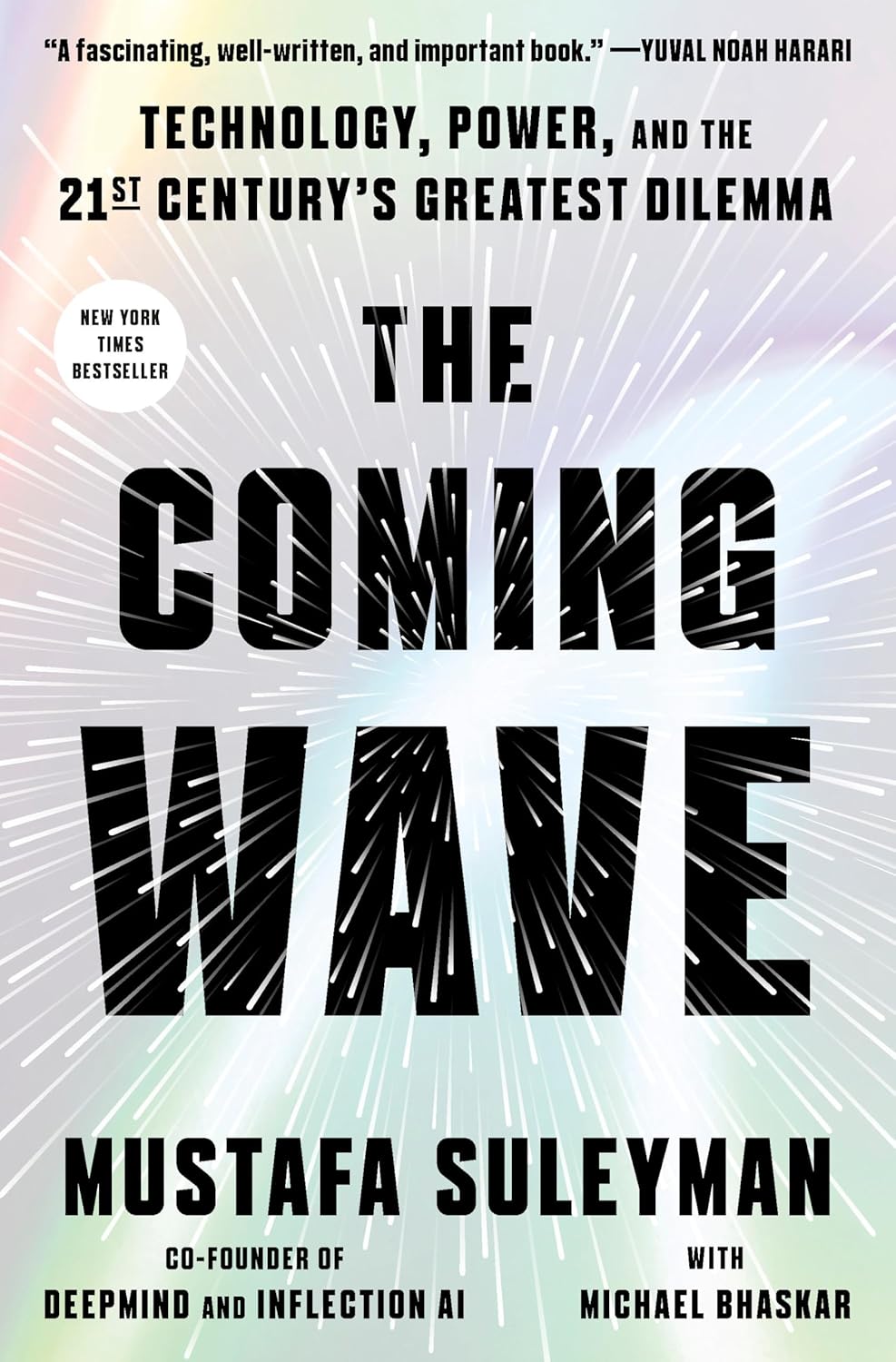
DeepMind co-founder on the dilemma of containing technologies that do not want to be contained.

The best starting book if you're not technical: a Wharton professor explains how to work WITH AI — when to delegate, when to supervise, when to keep i
As an Amazon Associate, Zendoric earns from qualifying purchases; the price does not change for you. · all our recommended books →
🔗 Related on Zendoric
- OpenAI and Anthropic have already filed the draft of their IPO near $1 trillion, after SpaceX's record · 2026-07-20
- Anthropic and OpenAI go public: why buying before the IPO may be the worst bet of the AI frenzy · 2026-07-04
- Leopold Aschenbrenner's AI hedge fund collapses and is forced to sell off its entire public portfolio · 2026-07-31