The AI Hype Index: the week of the unsexy in artificial intelligence
🕒 Published on Zendoric: July 30, 2026 · 00:20
✨ AI-generated · how it's made
This article is part of a regular MIT Technology Review section called "The AI Hype Index", a deliberately subjective and tongue-in-cheek look at the most talked-about artificial intelligence news of the moment.
📚 Go deeper

The best starting book if you're not technical: a Wharton professor explains how to work WITH AI — when to delegate, when to supervise, when to keep i
As an Amazon Associate, Zendoric earns from qualifying purchases; the price does not change for you. · all our recommended books →
This article is part of a regular MIT Technology Review section called "The AI Hype Index", a deliberately subjective, tongue-in-cheek look at the most talked-about artificial intelligence news of the moment. It is not an in-depth investigative report but a short, editorialized roundup of several unconnected items, so this analysis will also be brief: there is no more substance than the text itself offers.
The thread running through this installment is how "unsexy" much of today's AI can be, in contrast to a recent episode that did stir controversy for the opposite reason. The piece opens by recalling that a group of prominent economists signed an open letter warning that AI could put people's jobs at risk. Against that already unsettling backdrop, the article notes that the company 1X unveiled a pair of new robotic hands in July, described as "impressively dexterous" and which, to some people's surprise, struck part of the tech community as "weirdly sexy". The text itself acknowledges that the demonstration split opinion: the tech community was clearly divided over the appeal of those "disembodied" hands, without any further detail on the positions taken.
Set against that ambiguous case, the article lists a series of AI developments on which, according to the publication, virtually everyone agrees there is nothing appealing at all: a Grok translation feature branded "porn-pilled", Meta's smart glasses, described as "creepy" and with a warning that they could get even creepier soon, and the continued rise in big tech's emissions, which the text says keep climbing unchecked.
As an almost anecdotal counterpoint, the article closes with a curious detail about Korea: even though AI is not always popular or well received, it is having a tangible, positive effect for one very specific group, single workers in the semiconductor industry, who thanks to the generous bonuses tied to the AI boom are, according to the text, being flooded with new opportunities to find a partner. The article caps the idea with a joking line: "who said you can't buy love?".
The original document also includes, as an index of related links, the headlines of other pieces published by MIT Technology Review: one about the startup Subquadratic, which claims to have solved a bottleneck limiting large language models (LLMs), albeit with skeptical voices on the matter; another about an Anthropic finding regarding a "hidden space" where its Claude model appears to "reflect" on concepts, thanks to a new technique for exploring the inner workings of LLMs; a third about Claude Science, presented as Anthropic's new flagship product in its push for AI applied to science; and a fourth about a $400 million machine said to be key to chip manufacturing, in connection with ASML's monopoly on the equipment needed to lithograph them. The downloaded content does not include the body of these four reports, only their titles and bylines, so it is not possible to detail their content here without speculating; they are mentioned only as a reference for the topics the publication covers.
📚 Go deeper
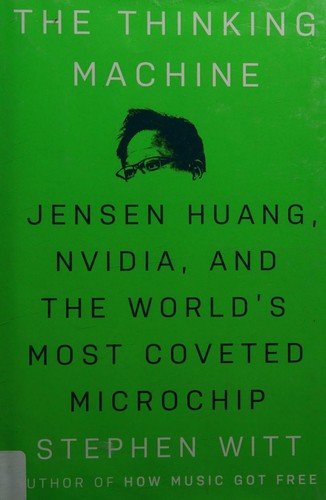
The story of NVIDIA and Jensen Huang: how a video-game card company ended up making the most coveted resource on the planet.
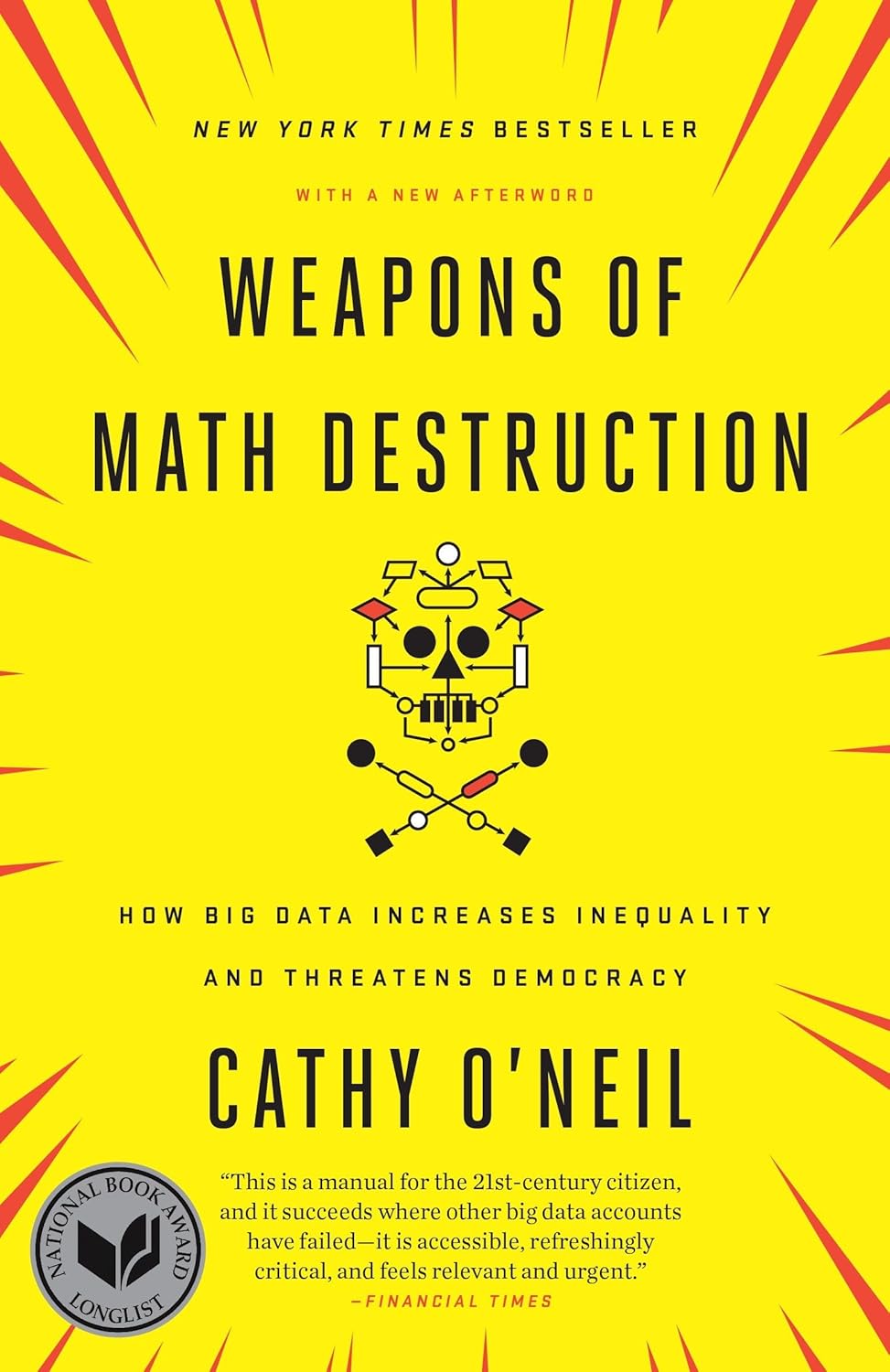
How opaque algorithms decide who gets credit, a job or parole — and why they tend to punish the same people.
As an Amazon Associate, Zendoric earns from qualifying purchases; the price does not change for you. · all our recommended books →
🔗 Related on Zendoric