Orchid launches an AI assistant with an ad about forgotten anniversaries and draws a warning: careful with selling care

🕒 Published on Zendoric: July 30, 2026 · 00:20
✨ AI-generated · how it's made
Startup Orchid unveiled its personal AI assistant with a video suggesting the tool could have stopped a couple from forgetting their anniversary. The clip racked up more than 3.2 million views on X, but also a wave of criticism for implying a machine can replace caring for another person.
📚 Go deeper
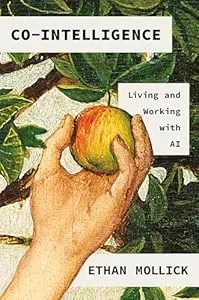
The best starting book if you're not technical: a Wharton professor explains how to work WITH AI — when to delegate, when to supervise, when to keep i
As an Amazon Associate, Zendoric earns from qualifying purchases; the price does not change for you. · all our recommended books →
By Zendoric · July 30, 2026.
Orchid, an artificial intelligence startup, unveiled its flagship product this week: a personal assistant —also called Orchid— that works by texting you as if it were a friend. As the company describes it, the tool integrates with your calendar and with Google Drive to track tasks across different applications, an approach similar to that of other AI assistants already on the market.
What has caused a stir is not the functionality but the launch video. Shot with a cinematic look in warm tones, Orchid's team explained in a behind-the-scenes video posted on X that they wanted to "build a story around a real situation" rather than a conventional product video. The story follows a day in the life of a couple in which one of the two forgets their anniversary, implying that the assistant could have prevented it. The clip has racked up more than 3.2 million views on X, according to Fast Company, but also criticism questioning whether a tech company should present itself as the solution to a relationship's problems.
Fast Company itself frames the underlying question precisely: where is the line between marketing a product as a useful aid and promising that it can take on responsibilities that are, in essence, human. Remembering an important date for the person you love is not just a calendar entry; it is a sign of attention. Delegating it entirely to an AI assistant is not the same as delegating a restaurant reservation.
Our reading is that this episode, more than a one-off controversy, is a symptom of where competition among AI assistants is heading: as differentiation through pure productivity (managing the calendar, writing emails, summarizing documents) runs out of room, startups are looking to emotional territory to stand out, and there the margin for error —and for bad taste— narrows sharply. The critical reaction is not technophobic: it is a reasonable defense of the idea that certain tasks, however logistical they may seem, have a relational component that should not simply be outsourced, still less sold as an advertising hook.
This fits with something we have been observing at Zendoric: in the short term, the social friction generated by AI is not only about jobs, it is also cultural, and it shows up precisely in those spaces —partnership, caregiving, attention to others— where automation meets the most resistance. In the long term, however, an assistant that remembers dates, organizes logistics and frees up mental bandwidth is not necessarily a bad thing: if that saved time translates into more real presence, not less, AI could end up freeing up space for what genuinely requires a person, not an algorithm. The key, as this case shows, is that companies should not confuse that promise with selling the replacement of affection itself.
📚 Go deeper
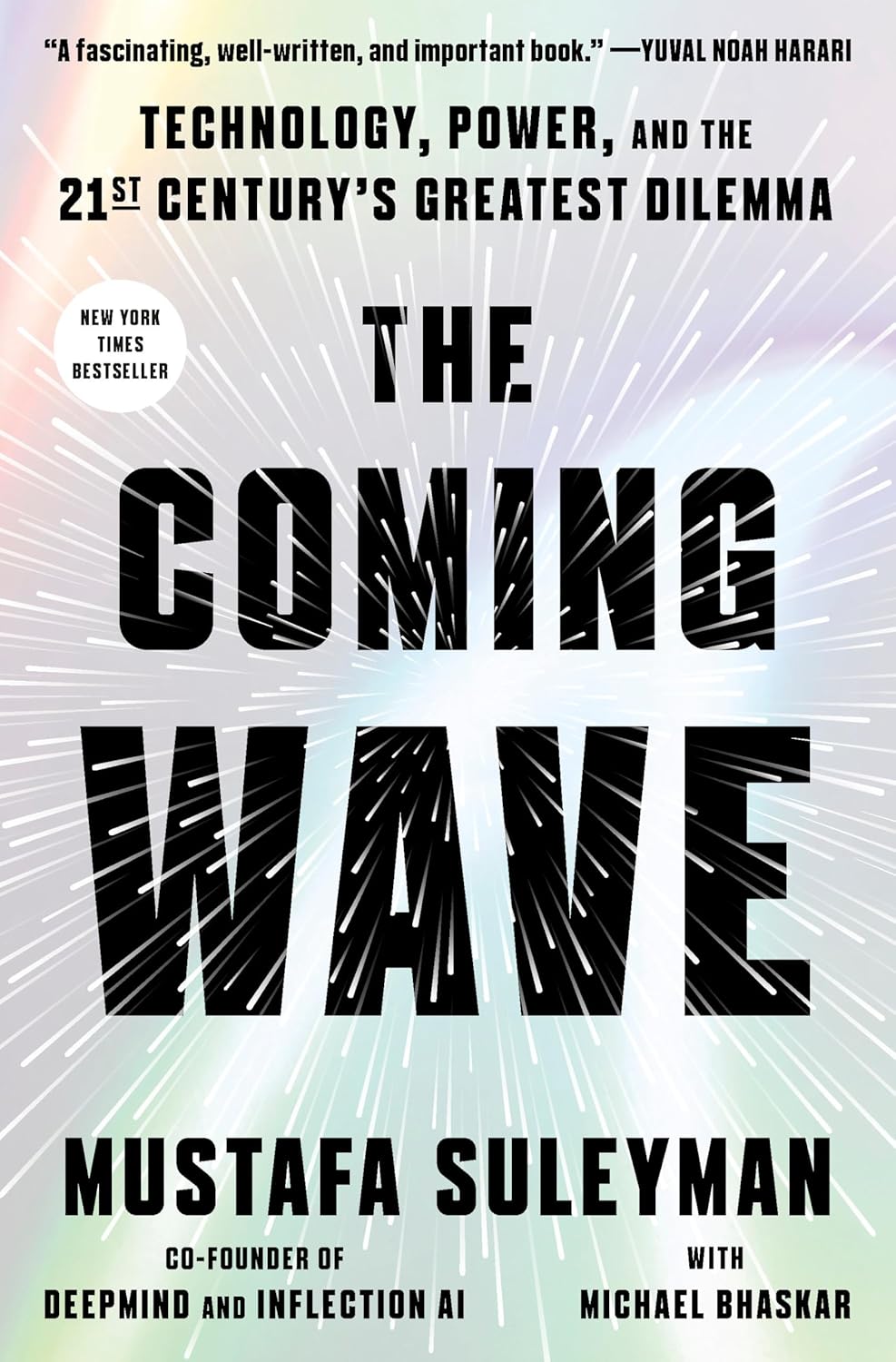
DeepMind co-founder on the dilemma of containing technologies that do not want to be contained.
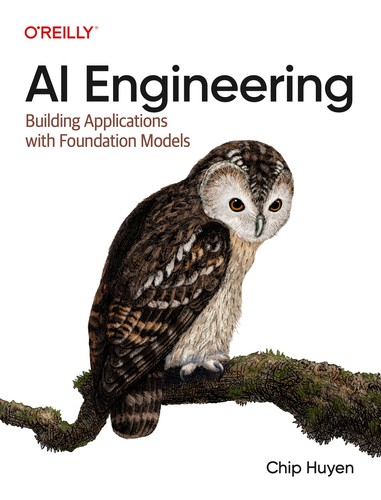
The reference manual for building products on top of AI models: prompts, RAG, fine-tuning, agents, evaluation and deployment.
As an Amazon Associate, Zendoric earns from qualifying purchases; the price does not change for you. · all our recommended books →
🔗 Related on Zendoric
- Thinking Machines, Mira Murati's lab, launches Inkling: an open model with 975 billion parameters · 2026-07-17
- Scam.ai launches Halo, a deepfake detector for video calls that never leaves the computer · 2026-07-20
- Broadcom launches AgentMinder, a 'traffic controller' to keep AI agents within company rules · 2026-09-01