Korea pitches itself as Asia's AI hub: Nvidia, OpenAI and Anthropic praise Lee with no figures on the table
🕒 Published on Zendoric: July 27, 2026 · 00:21
✨ AI-generated · how it's made
South Korean President Lee Jae-myung met in San Francisco with the CEOs of Nvidia, OpenAI, Broadcom and Anthropic, who described Korea as an 'indispensable' AI partner. Between jokes about fried chicken and toasts to 'family', the summit delivered abundant praise and few concrete numbers.
📚 Go deeper
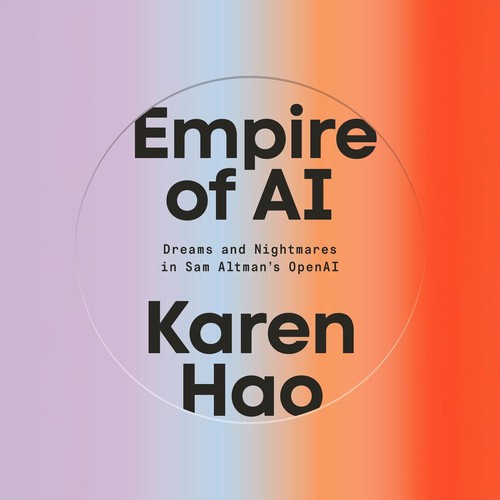
The definitive piece of investigative journalism on OpenAI: 260+ interviews, the clash between safety and speed, and the attempted firing of Sam Altma
As an Amazon Associate, Zendoric earns from qualifying purchases; the price does not change for you. · all our recommended books →
By Zendoric · July 27, 2026.
South Korean President Lee Jae-myung held a round of bilateral meetings in San Francisco on July 24 with the chief executives of four companies that define the artificial intelligence industry: Jensen Huang (Nvidia), Sam Altman (OpenAI), Hock Tan (Broadcom) and Dario Amodei (Anthropic), as reported by Seoul Economic Daily. The message was repeated, with nuances, at every meeting: Korea is already an indispensable partner for the AI era.
Huang spoke of "the golden age of AI that Korea is building"; Altman went further, calling Korea "one of the most important countries in the world" and adding that "the AI revolution is impossible without Korea". With Amodei it was Lee who proposed that "Korea is the optimal partner to become Anthropic's key AI infrastructure hub in Asia"; Anthropic's chief executive confined himself to replying that they will be able to "cooperate in many areas" and that working with Korea is "something really exciting". At every table, Lee presented the "three megaprojects" with which his government wants to restructure the South Korean economy around AI, although neither the president nor the original report details what they consist of or what investment they entail.
The round culminated in a dinner joined by the de facto top representatives of South Korea's major conglomerates — Lee Jae-yong (Samsung), Chey Tae-won (SK), Chung Euisun (Hyundai) and Lee Hae-jin (Naver) — along with Tan and Rani Borkar, president of hardware at Microsoft Azure. The deliberately informal tone — jokes about fried chicken and beer, a collective toast to "family" ('sikgu' in Korean) — is what such gatherings usually seek: wrapping in personal warmth what is, at bottom, a negotiation over industrial positioning.
It is worth separating the gesture from the fact. What there was in San Francisco was mutual praise and commemorative photographs; what did not emerge was a single figure: no announced investment, no committed data capacity, no timetable for the "three megaprojects". It is a pattern we have already seen in other episodes of this year's tech diplomacy: the headlines and the photos arrive before the contracts, and aspiration should not be confused with demonstrated capability.
That said, the South Korean bet is not pure rhetoric. Broadly, Samsung and SK Hynix account for much of the world's HBM manufacturing — high bandwidth memory, the memory that accompanies every Nvidia AI accelerator and that has become one of the sector's physical bottlenecks — which gives Seoul real leverage in the supply chain that no toast can substitute for. Floating Korea as a candidate for Anthropic's hub in Asia fits that asset: memory plants already up and running and a government that has made the "AI-native nation" a political banner.
The underlying interest goes beyond symbolism. In the race to secure compute, energy and memory — the three inputs that today limit the growth of large models — every country with real manufacturing capacity becomes a piece on a board where Washington, Beijing and the tech companies themselves compete to tie themselves to reliable suppliers. Korea can benefit from that scarcity if it turns industrial muscle into something more than friendly headlines; the short-term risk is ending up as a subordinate supplier to the big US tech firms instead of a partner with its own voice in the division of value. In the long term, however, deals of this kind — if they translate into factories, skilled jobs and domestic compute — are precisely the infrastructure that the abundance AI promises requires: more installed capacity, spread across more countries, not concentrated in a handful of Californian campuses.
📚 Go deeper
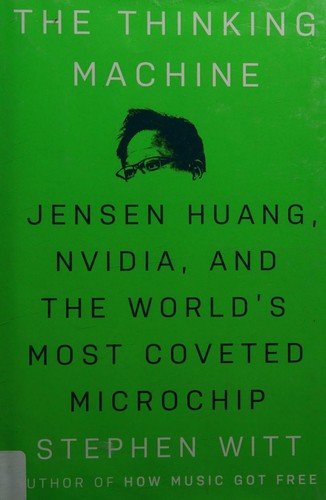
The story of NVIDIA and Jensen Huang: how a video-game card company ended up making the most coveted resource on the planet.
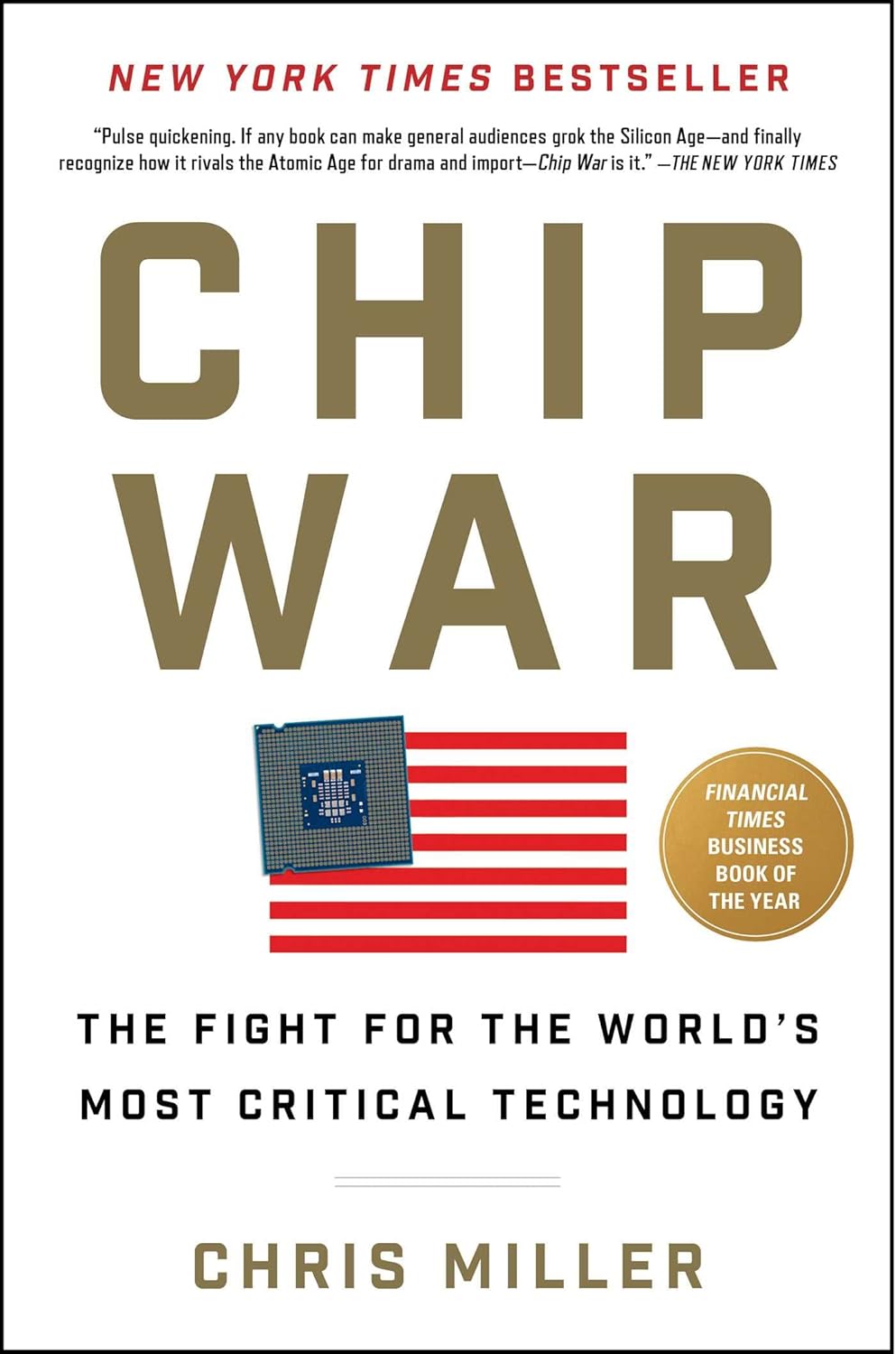
Semiconductors as the oil of the 21st century: history, espionage, and why an island of 23 million people underpins the entire AI economy.
As an Amazon Associate, Zendoric earns from qualifying purchases; the price does not change for you. · all our recommended books →
🔗 Related on Zendoric
- OpenAI goes down to the silicon: 'Jalapeño' and the bet on controlling the entire intelligence chain · 2026-06-26
- Anthropic negotiates its own chip with Samsung: the end of total dependence on Nvidia · 2026-07-04
- AMD rewrites its AI roadmap around agentic orchestration and challenges Nvidia's reign in the data center · 2026-07-24