Anthropic negotiates its own chip with Samsung: the end of total dependence on Nvidia

🕒 Published on Zendoric: July 4, 2026 · 00:29
✨ AI-generated · how it's made
Anthropic has opened preliminary talks with Samsung to manufacture a custom AI chip, weeks after OpenAI unveiled its own processor with Broadcom. Neither is abandoning Nvidia, but the message is clear: the labs no longer want to depend on a single supplier that controls 74% of the market.
📚 Go deeper
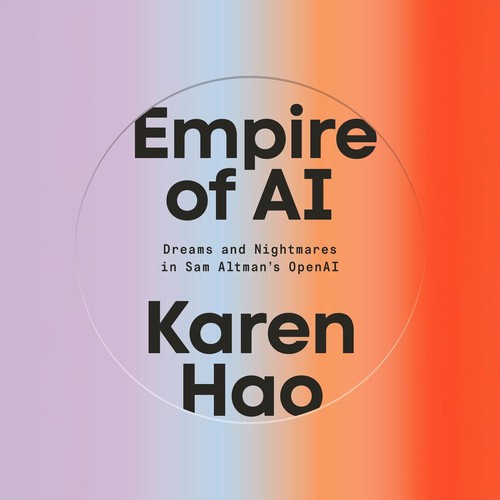
The definitive piece of investigative journalism on OpenAI: 260+ interviews, the clash between safety and speed, and the attempted firing of Sam Altma
As an Amazon Associate, Zendoric earns from qualifying purchases; the price does not change for you. · all our recommended books →
By TheStreet · July 3, 2026.
Anthropic has begun early talks with Samsung Electronics to manufacture a proprietary AI chip, Bloomberg reported and TechCrunch confirmed. These are very preliminary negotiations: the company has not yet decided what function the chip will serve, how it will be integrated into a server, or what power it will need. Today Anthropic relies on three external suppliers —Amazon's Trainium, Google's TPUs, and Nvidia's GPUs— and that diversified architecture will remain the core of its computing strategy in the short term, the company itself has said. None of this changes tomorrow. But the direction of the move does matter.
The trigger is arithmetic: Nvidia controls around 74% of the global AI chip market, according to data from The Information, a level of concentration that grants it pricing power no top-tier AI lab wants to keep accepting without pushback. Designing your own silicon, tailored to the exact architecture of your models, is one of the few real levers to escape that dependency. Anthropic is not a pioneer here: OpenAI unveiled its own inference chip, Jalapeño, built with Broadcom, last month. That Anthropic's talks with Samsung come to light just weeks later suggests the whole sector is hedging against Nvidia at the same time, not that there's a coordinated plan.
Samsung is not a random choice. The South Korean company was one of three memory manufacturers —alongside SK Hynix and Micron— that invested in Anthropic's $65 billion funding round in May, and it is the only one of those three that also operates its own chip foundries. Anthropic is reportedly specifically evaluating Samsung's 2-nanometer manufacturing process and its advanced packaging facilities, according to The Information. For Samsung, winning a client the size of Anthropic would be a perfect showcase in its attempt to close the gap with TSMC, the sector's dominant foundry, which according to analysts cited in the report still shows better production yields on the most advanced nodes. A signed client is not a shipped chip, and Anthropic hasn't even decided whether it will move forward with Samsung: it is also talking to Microsoft and to British startup Fractile, pointing to a competitive process rather than an exclusive partnership.
The context connects several dots: Google is reportedly separately considering Samsung for part of a future generation of its TPUs; Samsung Group and SK Group confirmed this month a joint investment of $520 billion to build four new memory plants in South Korea; and Anthropic has hired Clive Chan, a former member of OpenAI's chip design team, to build in-house hardware capacity. None of these moves is decisive on its own, but together they paint a picture of a sector reorganizing its supply chain at full speed: Microsoft already has its Maia chips, Amazon its Trainium, Google its TPUs, and now the younger labs —Anthropic and OpenAI— are trying to build the same negotiating leverage against Nvidia.
Our take is that this move isn't about replacing Nvidia tomorrow —no one in the report suggests that, nor is it plausible in the short term— but about reducing the pricing power of a single supplier over an input that has become as critical as electricity. It's a defensive, structural decision: when training and serving frontier models costs billions, even a modest reduction in the cost of compute per unit justifies years of investment in silicon design. In the short term this reinforces a trend we've been flagging: power is concentrating in whoever controls the infrastructure, not just whoever has the sharpest model. That favors the best-capitalized labs —Anthropic, OpenAI, the hyperscalers— and leaves startups without access to foundries or patient capital in an even weaker position against the hardware barrier to entry.
In the long run, however, this race for custom silicon is exactly the kind of competitive pressure that steadily lowers the cost per token, a necessary ingredient for the abundance we advocate as a horizon: the cheaper it becomes to train and serve intelligence, the closer we get to AI ceasing to be a luxury for whoever can afford Nvidia's bill and becoming accessible infrastructure for medical research, education, or small businesses. The intermediate risk, the one worth watching, is that this decentralization of Nvidia's power doesn't translate into real market fragmentation but into a different oligopoly: a handful of labs and foundries —Samsung, TSMC, Broadcom— splitting control over who can afford to build tomorrow's models. For now, nothing is signed; what is clear is that the era in which Nvidia dictated terms without resistance is starting to have an expiration date.
📚 Go deeper
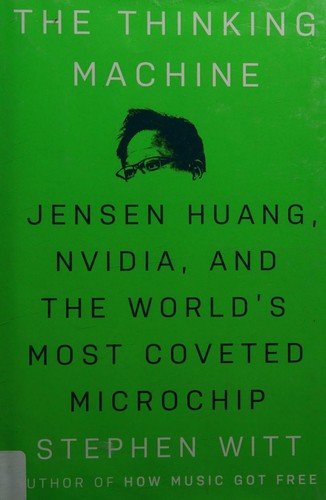
The story of NVIDIA and Jensen Huang: how a video-game card company ended up making the most coveted resource on the planet.
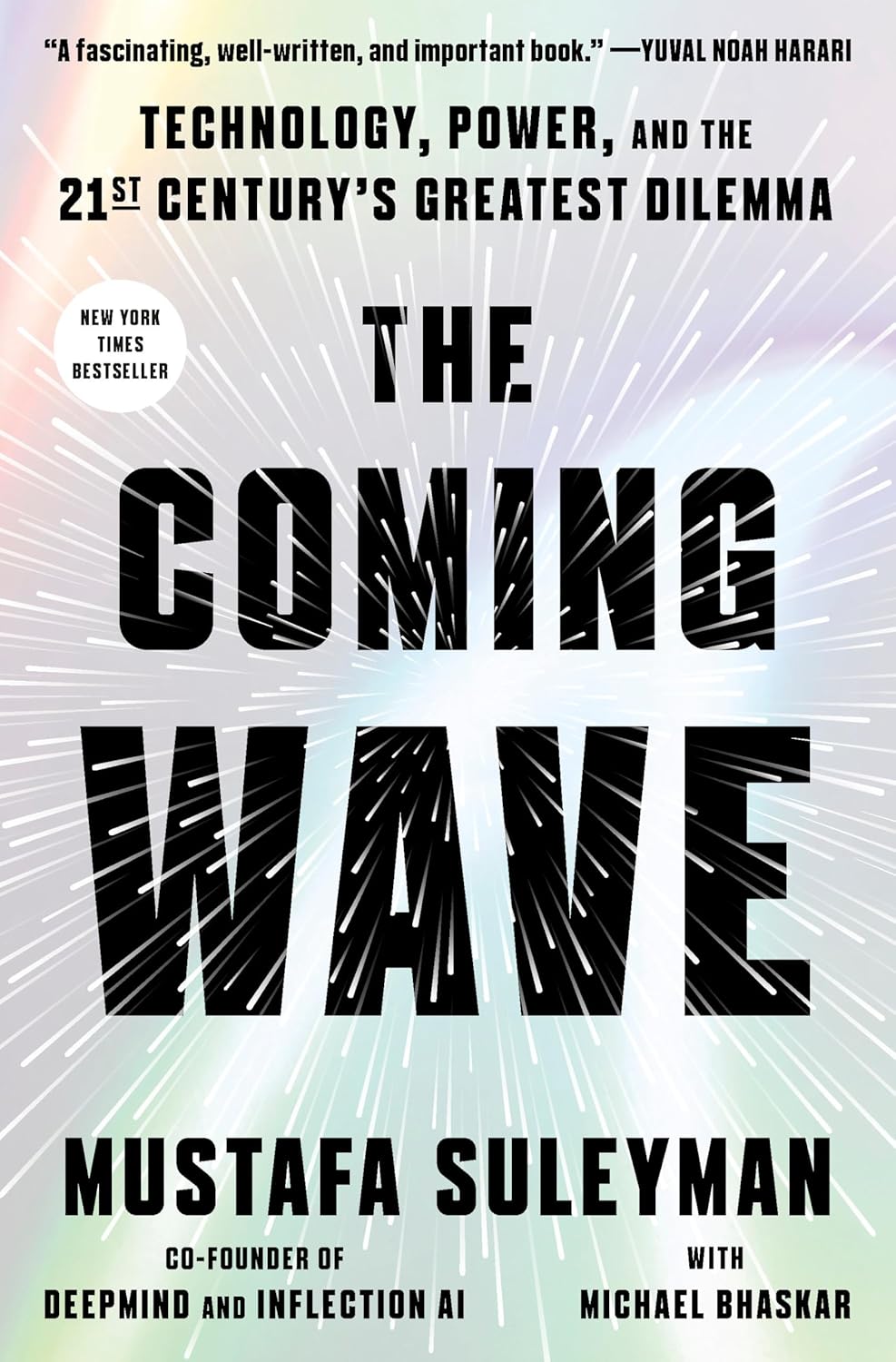
DeepMind co-founder on the dilemma of containing technologies that do not want to be contained.
As an Amazon Associate, Zendoric earns from qualifying purchases; the price does not change for you. · all our recommended books →
🔗 Related on Zendoric
- AMD rewrites its AI roadmap around agentic orchestration and challenges Nvidia's reign in the data center · 2026-07-24
- Claude Sonnet 5: Anthropic brings agentic AI to the mid-range — and that changes the rules of the game · 2026-07-01
- Claude Fable 5: when 'safer' translates into 'less useful' and the market makes Anthropic pay for it · 2026-07-03