More than a third of AI-driven layoffs end in rehiring: the bet on automation came at a cost

🕒 Published on Zendoric: July 27, 2026 · 00:21
✨ AI-generated · how it's made
Ford, Australia's Commonwealth Bank and Klarna cut or froze headcount betting on AI, and months later had to rehire. According to Robert Half, more than 30% of US HR executives who eliminated roles because of AI have refilled them; Gartner believes half will do the same before 2027.
📚 Go deeper
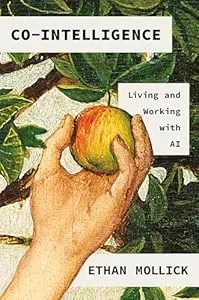
The best starting book if you're not technical: a Wharton professor explains how to work WITH AI — when to delegate, when to supervise, when to keep i
As an Amazon Associate, Zendoric earns from qualifying purchases; the price does not change for you. · all our recommended books →
By Zendoric · July 27, 2026. Ford rehired more than 300 former manufacturing employees in June because quality was not holding up with their AI replacements. The Commonwealth Bank of Australia (CBA) reversed the dismissal of some 45 customer service agents after installing an AI voice bot, and offered them their jobs back — apologies included — when call volumes rose again. And last year the fintech Klarna, which had boasted that its AI did the work of 700 human agents, had to rebuild its support staff because service quality had collapsed, as its own chief executive acknowledged.
The pattern is not anecdotal. More than three in ten US hiring managers who cut positions after deploying AI at their company have had to refill those same or very similar roles, according to research by Robert Half. Gartner, the technology consultancy, goes further: it estimates that by 2027 half of the companies that cut customer service staff because of AI will need to rehire people for the same functions, albeit under different job titles. And a Gartner survey of more than 320 customer service leaders, conducted in October 2025, found that only 20% had actually reduced their agent headcount because of AI: most are keeping staffing levels stable despite serving more customers.
The backdrop is a disconnect between AI's commercial promise and its actual performance in production. Eric Mosley, chief executive of Workhuman, summed it up at a conference in May, citing a study by MIT (Massachusetts Institute of Technology) according to which 95% of corporate generative AI pilots fail, and more than 80% of AI projects never come to fruition, with billions of dollars lost in the attempt. Even so, the article notes, companies keep investing in AI while cutting precisely the resource — people — needed to make that investment pay off.
Our take: this does not disprove the thesis that AI will profoundly transform employment; it disproves its use as an excuse to lay people off before checking what a model or an agent can really do. There is a fundamental difference between demonstrated capability and marketing aspiration, and much of the layoff boom of recent years confused one for the other: flashy headlines, pressure from AI vendors and fear of falling behind counted for more than an honest audit of which tasks the technology could take on without losing quality. The result, in sectors as different as banking, manufacturing and fintech, is the same: AI is a good substitute for repetitive, low-judgment tasks, but it fails when asked to take on judgment, nuance or the customer relationship without human supervision. It is the same pattern we have been observing sector by sector in this series: administrative work is the most exposed, but expert judgment and the customer relationship are holding up better than the hype promised.
For companies, the cost is not just the rehiring process: it is the broken trust with customers and with their own workforce, which watches a layoff sold as 'efficiency' be reversed months later with an apology attached. The model that is starting to take hold — and one we share — is the one summed up by Denis Machuel, chief executive of Adecco: 'It's not humans against AI; it's humans with AI.' Redesigning work around the technology, and training staff in judgment and process redesign, not just in handling tools, is paying off more than replacing entire teams in one go.
In the long run, AI's ability to take on tasks will keep growing, and it would be a mistake to read these stumbles as a permanent ceiling: models and agents will keep improving, and much of what fails today for lack of supervision or process redesign has an expiry date. But the episode leaves a corporate governance lesson valid for the whole transition decade ahead of us: AI only frees up resources and time — the path towards the abundance we often talk about — if it is deployed with judgment and hand in hand with people. Companies using it to cut before redesigning work are already paying, with the data on the table, a bill in quality, reputation and payroll that wipes out much of the savings they were promised.
📚 Go deeper
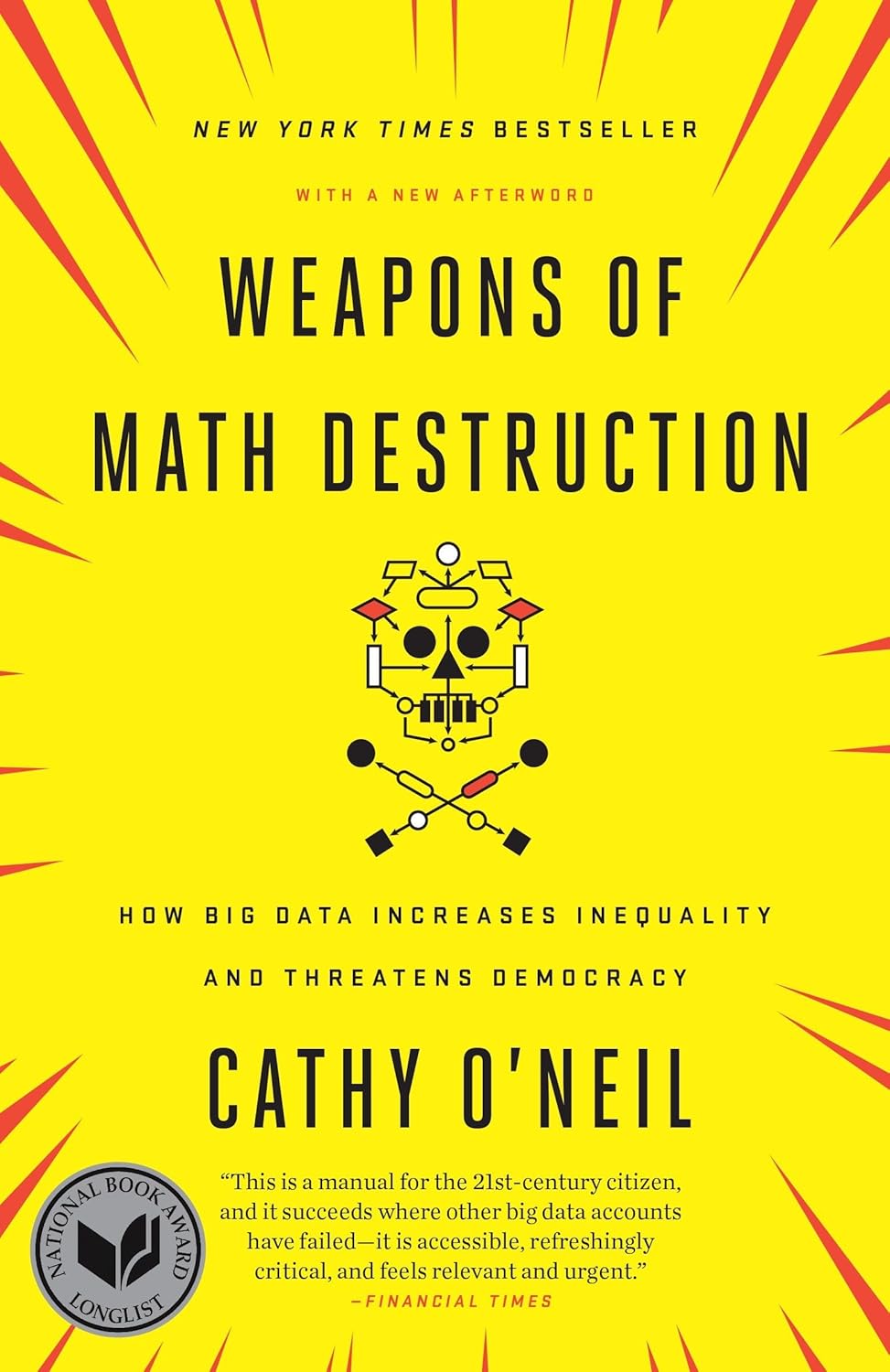
How opaque algorithms decide who gets credit, a job or parole — and why they tend to punish the same people.
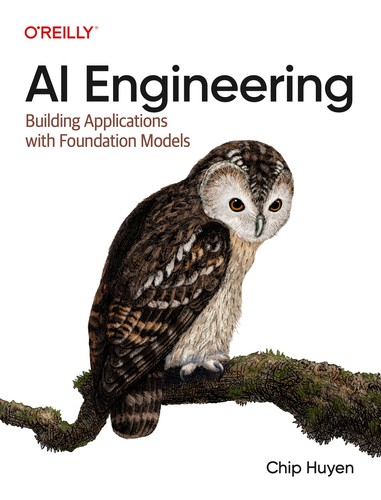
The reference manual for building products on top of AI models: prompts, RAG, fine-tuning, agents, evaluation and deployment.
As an Amazon Associate, Zendoric earns from qualifying purchases; the price does not change for you. · all our recommended books →
🔗 Related on Zendoric
- The 'great AI layoff' turns into the 'great rehiring': half of those companies are hiring again · 2026-07-15
- 9 out of 10 HR leaders regret AI layoffs: the bill for cutting by title, not by talent · 2026-07-14
- A study with real AI-spending data dismantles (with caveats) the fear of mass layoffs · 2026-07-20