The AMD-Anthropic deal turns a bitcoin miner into a player in the race for AI power

🕒 Published on Zendoric: July 27, 2026 · 00:21
✨ AI-generated · how it's made
AMD has committed up to $5 billion to a chip deal with Anthropic that envisions up to 2 gigawatts of AI capacity. The ripple effect reaches Riot Platforms, a bitcoin miner whose Rockdale, Texas plant is gaining appeal as an AI data center, though no new contract has been confirmed.
📚 Go deeper
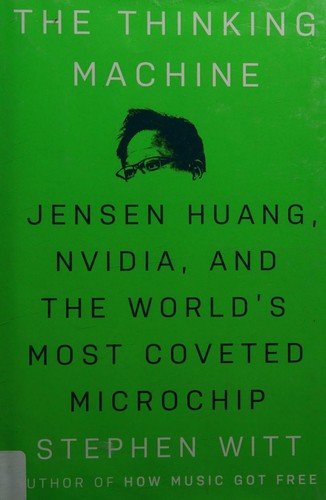
The story of NVIDIA and Jensen Huang: how a video-game card company ended up making the most coveted resource on the planet.
As an Amazon Associate, Zendoric earns from qualifying purchases; the price does not change for you. · all our recommended books →
By Zendoric · July 27, 2026. AMD has committed up to $5 billion in an artificial intelligence chip supply deal with Anthropic, Memeburn reported. The agreement provides for deploying up to 2 gigawatts (GW) of computing capacity with AMD processors for Anthropic, a magnitude roughly comparable to the combined output of a couple of conventional nuclear reactors.
The shock wave from that deal has reached Riot Platforms (Nasdaq: RIOT), a company known until now for mining bitcoin. As Simply Wall St reports, AMD already leases capacity at Riot's plant in Rockdale, Texas, and is considering expanding it beyond 200 megawatts (MW) — the unit that measures available electrical power, here enough to feed a large-scale computing facility. Riot also controls another site in Corsicana, within what the coverage itself describes as a footprint geared toward high-performance computing (HPC).
The interest is no accident. Training and running the largest AI models increasingly requires not so much new chips as megawatts already connected to the grid: building an electrical substation and obtaining an interconnection permit can take years, whereas a bitcoin miner already has both sorted out in advance. Riot is not an isolated case: Simply Wall St's own coverage lists other crypto-born companies such as IREN and Hut 8 as comparables, and points to Equinix, Digital Realty and Core Scientific as competitors that already operate data centers and could contend for those same leases.
Interest should not be confused with a contract. The analysis itself stresses that any lease expansion or new customer agreement still has to be confirmed: what exists today is a market narrative, not a firm order. The risks analysts flag are concrete: Riot is still not profitable, its business depends on bitcoin's volatility, and turning megawatts into signed AI contracts at scale demands a discipline — financing, engineering, corporate client management — different from operating one's own mining machines.
Our reading: this episode, however small it may look next to AMD's $5 billion headline, is a good portrait of where AI's bottleneck has moved. The chip is no longer the scarcest item — AMD and Nvidia are making more and more of them; it is the megawatt already hooked up to an electrical grid with an interconnection permit in hand. That explains why a bitcoin miner, a business that not long ago looked doomed to live and die by the price of the cryptocurrency, becomes overnight a strategic asset in the AI race: it does not sell intelligence, it sells electricity already secured and ready to use.
In the short term, this smells like the narrative bubbles already seen in the crypto sector itself: the stock price moves on the promise of a contract, not on its signing, and anyone who buys the story without waiting for the numbers could be disappointed if Rockdale fails to turn AMD's interest into real revenue. But in the medium term, the more operators — miners, utilities, real estate developers — compete to turn watts into compute, the faster total available capacity for training and deploying AI models will grow. That is, ultimately, the part of the abundance thesis that matters most to us: every additional gigawatt devoted to AI instead of to mining bitcoin is, potentially, one more step toward the infrastructure capable of sustaining the medical and scientific research that in the long run can translate into more health and more resources for everyone.
📚 Go deeper
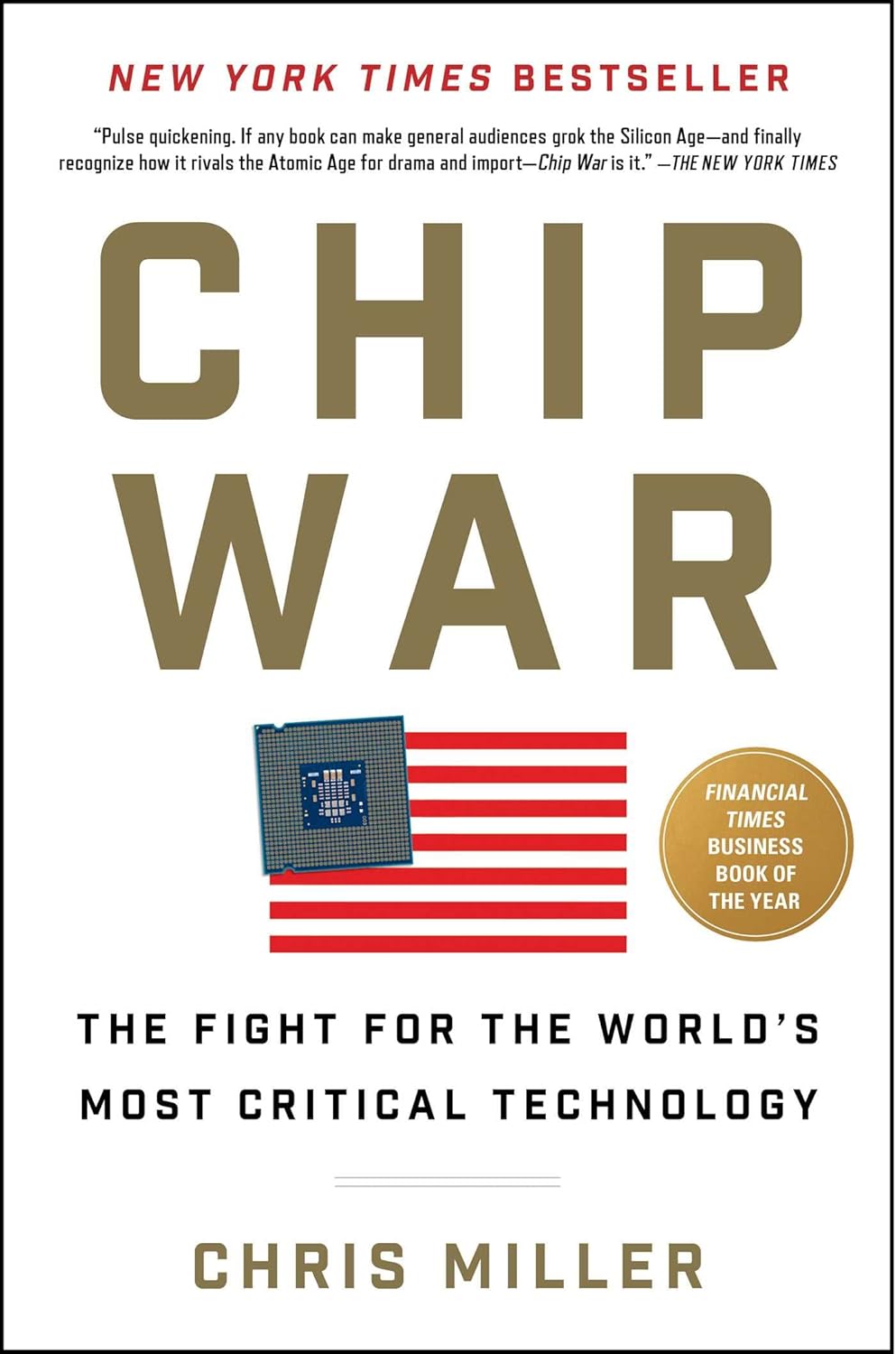
Semiconductors as the oil of the 21st century: history, espionage, and why an island of 23 million people underpins the entire AI economy.
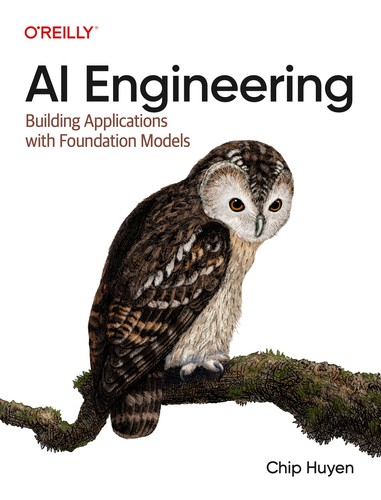
The reference manual for building products on top of AI models: prompts, RAG, fine-tuning, agents, evaluation and deployment.
As an Amazon Associate, Zendoric earns from qualifying purchases; the price does not change for you. · all our recommended books →
🔗 Related on Zendoric
- Anthropic's $40B compute lease from Musk turns a safety promise into a rival's contract clause · 2026-09-03
- Meta negotiates renting its cloud to Anthropic, its rival in models, in a twist that betrays the real problem with its AI spending · 2026-07-19
- Anthropic's $40B compute lease from Musk turns AI safety into a supply-chain clause · 2026-07-28