Meta negotiates renting its cloud to Anthropic, its rival in models, in a twist that betrays the real problem with its AI spending

🕒 Published on Zendoric: July 19, 2026 · 00:04
✨ AI-generated · how it's made
Meta and Anthropic are negotiating, according to The New York Times, a cloud computing contract of up to $10 billion over two years, according to sources cited by the paper and confirmed with caveats to CNN. The move would turn Meta into an infrastructure landlord for a company that competes directly with its own models.
📚 Go deeper
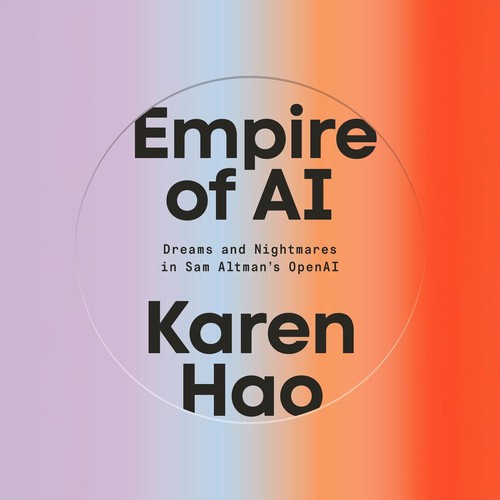
The definitive piece of investigative journalism on OpenAI: 260+ interviews, the clash between safety and speed, and the attempted firing of Sam Altma
As an Amazon Associate, Zendoric earns from qualifying purchases; the price does not change for you. · all our recommended books →
By Zendoric · July 19, 2026.
Meta Platforms is holding preliminary talks with Anthropic to rent computing capacity to it, according to The New York Times citing three people familiar with the negotiations, who value the deal at up to 10 billion dollars spread over two years. A source confirmed the contacts to CNN, though it warned that the specific figures are circulating as estimates, not as final numbers. Neither Meta nor Anthropic has been willing to confirm the terms.
The central point is not just the amount, but the shift in position: Meta would go from being a voracious buyer of computing capacity to a provider of it, entering a terrain until now dominated by Amazon Web Services, Microsoft Azure and Google Cloud. Anthropic already holds multibillion-dollar deals of this kind with all three, as well as with SpaceX, so adding Meta to that list does not change its strategy of diversifying suppliers; what changes is who sits on the other side of the table.
The context explains the urgency. Meta has announced capital spending of between 125 billion and 145 billion dollars for this year, a figure that could double what it invested the previous year, almost all of it earmarked for data centers to sustain its AI ambitions. To finance part of that expansion, the company laid off around 8,000 employees in April, 10% of its workforce. Mark Zuckerberg had already admitted at the May shareholders' meeting that he receives weekly requests from outside companies wanting to buy his surplus compute «at a premium over what we have paid for it», and that Meta would consider it if it detects that it has built too much.
There lies the key that connects all the pieces: Meta has built more infrastructure than its own AI products consume today, and monetizing that surplus by renting it to third parties is the fastest way to justify the outlay to investors who have spent months pushing for tangible results. Meta's stock is down more than 8% from a year ago, a deterioration that adds pressure to find new revenue tied to that investment in brick and silicon.
What is striking is who it chooses as a tenant. Anthropic competes head-on with Meta in model development: last month Meta itself launched an improved version of Muse Spark, its coding model, which it claimed rivals OpenAI and Anthropic, and it introduced a paid tier for the service for the first time. That Meta seeks revenue by renting infrastructure to a product rival is not contradictory; it is a separation of businesses already practiced by Microsoft and Google, which also compete with OpenAI and Anthropic while selling them compute. The difference is that Meta did not until now have that infrastructure business as a recognized revenue line, and this deal, if it closes, would give it one.
Our reading is that this episode confirms something we have been pointing out in the sector: competitive advantage is shifting from the smartest model toward whoever controls the plumbing that makes all the models run. In a market where computing capacity is scarce and costs billions to build, owning the data centers is starting to be worth as much as having the best research lab, and it allows one to bring in money from one's own competitors without having to beat them on benchmarks. For Meta, it is a way to turn a spending item that today worries its shareholders into an asset that generates cash, though it does not clear up the underlying doubt: if its own AI offering justifies such an investment, why does it have spare capacity to rent to others? The answer, still unconfirmed by either company, will say a good deal about the real pace of adoption of its products versus that of its rivals.
📚 Go deeper

The story of NVIDIA and Jensen Huang: how a video-game card company ended up making the most coveted resource on the planet.

The best starting book if you're not technical: a Wharton professor explains how to work WITH AI — when to delegate, when to supervise, when to keep i
As an Amazon Associate, Zendoric earns from qualifying purchases; the price does not change for you. · all our recommended books →
🔗 Related on Zendoric
- Anthropic's Refusal to Ease Autonomous-Weapons Limits Reportedly Cost It Pentagon Access · 2026-07-04
- Anthropic pays $40 billion to its biggest rival's infrastructure: the paradox of renting the ground from Musk · 2026-07-10
- The deal Anthropic is negotiating with Washington reopens an uncomfortable question: how do you control the export of something that travels in a file · 2026-06-27