Anthropic's Refusal to Ease Autonomous-Weapons Limits Reportedly Cost It Pentagon Access
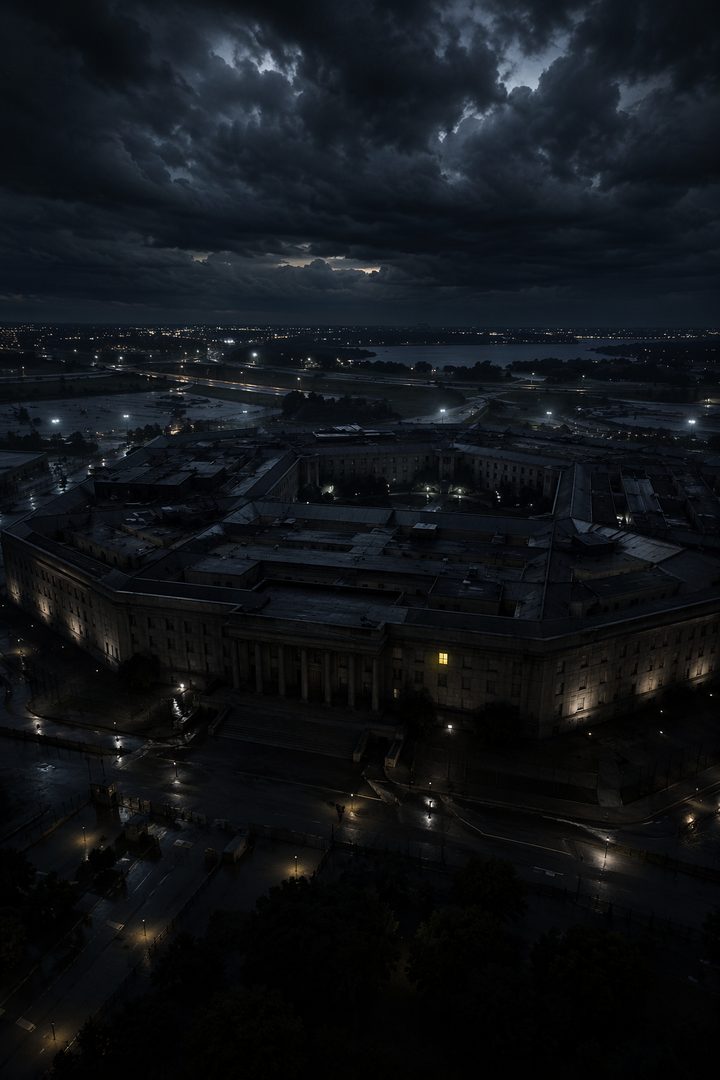
🕒 Published on Zendoric: July 4, 2026 · 00:29
✨ AI-generated · how it's made
According to Tech Times, internal emails show the Pentagon and Anthropic came 'very close' to a deal before the company was blacklisted over its refusal to loosen restrictions on autonomous weapons use. If confirmed, it's a rare case of an AI lab's safety red line colliding directly with a major government contract.
📚 Go deeper
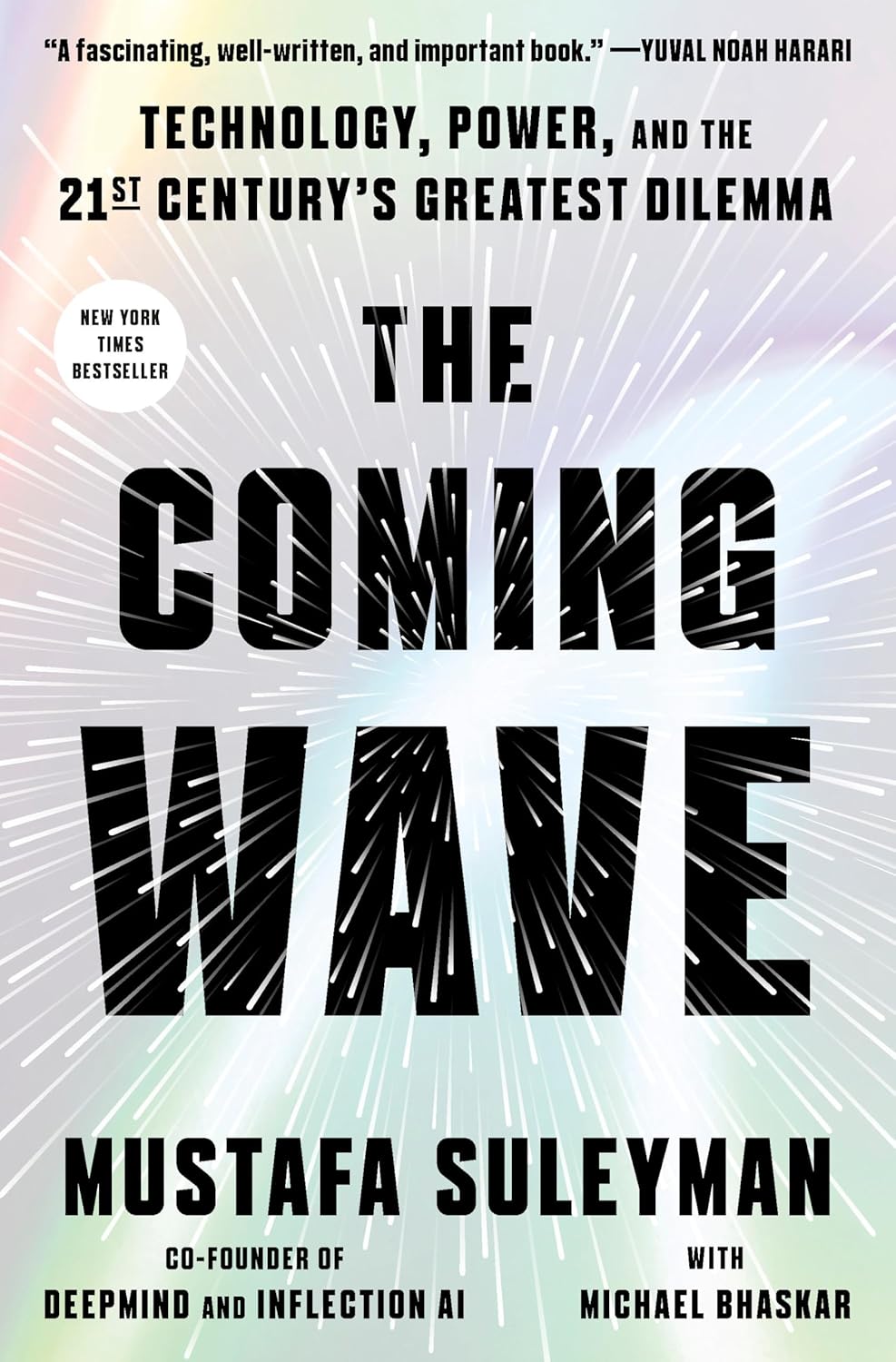
DeepMind co-founder on the dilemma of containing technologies that do not want to be contained.
As an Amazon Associate, Zendoric earns from qualifying purchases; the price does not change for you. · all our recommended books →
Tech Times reports that emails obtained show the Pentagon blacklisted Anthropic after negotiations that got 'very close' to an agreement, reportedly breaking down over the company's limits on autonomous weapons applications of its models. The outlet frames this as a dispute between military procurement demands and the guardrails Anthropic has built into its usage policies for lethal or autonomous systems.
This sits squarely in the uses-dual pattern we've tracked all year: frontier AI is simultaneously a commercial product and a strategic asset, and every contract negotiation with a defense buyer becomes a de facto governance decision. What's notable here isn't the existence of Pentagon interest in Anthropic's models — that's expected — but the reported willingness of a lab to walk away from a marquee government relationship rather than soften a specific red line on autonomy in weapons. Whether that's principled policy or negotiating leverage that failed is exactly the kind of nuance that gets lost once a headline like 'blacklisted' starts circulating.
The practical stakes are real regardless of motive. Defense contracts are lucrative and strategically important, and a lab willing to forfeit one signals that its published safety commitments aren't purely marketing — but it also means the Pentagon may simply turn to a competitor with looser constraints, which doesn't eliminate the underlying capability, just relocates who controls it. That's the uncomfortable trade-off in AI governance: unilateral restraint by one player doesn't guarantee restraint industry-wide.
Our reading: this episode is a preview of a recurring fight as militaries everywhere seek AI-enabled autonomy and labs try to hold lines around lethal decision-making. The long-term optimism we hold about AI curing disease and generating abundance doesn't erase the short-term reality that some of the most consequential governance battles will be fought quietly, in contract negotiations like this one, long before any public regulation catches up. Who sets the terms for autonomous weapons — and whether restraint holds when money is on the table — matters more than any single benchmark score.
📚 Go deeper
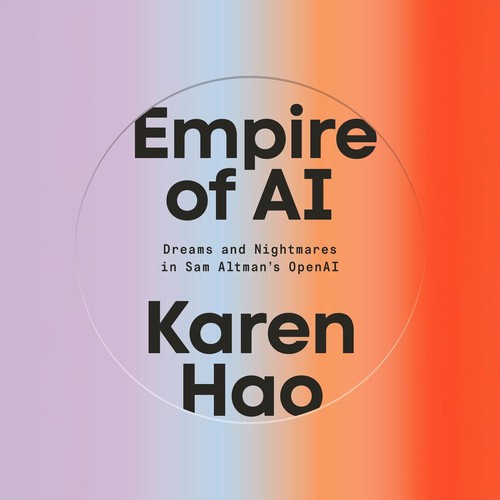
The definitive piece of investigative journalism on OpenAI: 260+ interviews, the clash between safety and speed, and the attempted firing of Sam Altma

AI as the latest chapter in the history of information networks, from gossip to the printing press to the algorithm.
As an Amazon Associate, Zendoric earns from qualifying purchases; the price does not change for you. · all our recommended books →
🔗 Related on Zendoric
- Meta negotiates renting its cloud to Anthropic, its rival in models, in a twist that betrays the real problem with its AI spending · 2026-07-19
- Anthropic's Two Red Lines Cost It the Pentagon — and Set a Precedent for AI in the Kill Chain · 2026-07-05
- Anthropic's $40B compute lease from Musk turns a safety promise into a rival's contract clause · 2026-09-03