Tesla and Alphabet lose $500 billion in market value over fears about AI spending
🕒 Published on Zendoric: July 25, 2026 · 00:23
✨ AI-generated · how it's made
Thursday, July 23, 2026 was a black day for two of the big names in artificial intelligence on Wall Street. Tesla closed down 14.5%, its worst day since March 2025, shedding some $200 billion in market capitalization.
📚 Go deeper
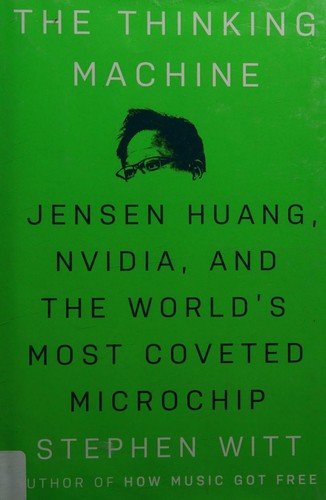
The story of NVIDIA and Jensen Huang: how a video-game card company ended up making the most coveted resource on the planet.
As an Amazon Associate, Zendoric earns from qualifying purchases; the price does not change for you. · all our recommended books →
Thursday, July 23, 2026, was a black day for two of the big names in artificial intelligence on Wall Street. Tesla closed down 14.5%, its worst day since March 2025, shedding some 200 billion dollars in market capitalization. Alphabet, Google's parent company, retreated 7.1% and saw around 300 billion dollars vanish. Amazon was also dragged down by the sector's jitters, falling 4.6% and losing nearly 120 billion dollars in market value.
The trigger was the same in both cases: investors grew uneasy about the pace and magnitude of the capital expenditure (capex) the companies are pouring into the artificial intelligence race, just as both reported negative free cash flow in the second quarter. Alphabet raised its capex forecast for this year to a range of between 195 billion and 205 billion dollars, up from the previous estimate of 180-190 billion, and warned that the figure could keep rising in 2027. Tesla, for its part, reported that its capex jumped 142% year over year in the second quarter to 5.79 billion dollars, and expects to surpass 25 billion dollars in capital expenditure over the course of this year.
Both companies tried to calm nerves during their respective earnings presentations. Elon Musk defended Tesla's investment, saying on the earnings call that it is "a massive capex year" and that he is confident everything they are investing "will generate incredible returns, perhaps the best capex returns we've ever seen." Musk placed the focus on semiconductor production and on Optimus, the company's humanoid robot, noting that they are already "installing the first production lines for Optimus" and that manufacturing will begin soon. For Alphabet, its chief financial officer explained that the increase in spending is due "primarily to an acceleration in the delivery of capacity to meet growing demand," as the company maintains that it does not have enough computing capacity to serve all the AI demand it is receiving.
Not all the news was bad. Alphabet showed signs that part of that investment is already bearing fruit: Google Cloud revenue grew 82% year over year to 24.8 billion dollars, beating forecasts, while that division's operating margin went from 20.7% to 35.6% in a year. Alison Porter, a portfolio manager at Janus Henderson, described this quarter as one of Alphabet's strongest revenue-growth quarters in five years and highlighted those figures as proof that the investment is working and as an encouraging signal about the returns these platforms are getting from AI spending. At Tesla, the core automotive business generated 20.52 billion dollars in revenue, up 23% year over year.
Even so, doubts persist among analysts. Ben Barringer, head of technology research at Quilter Cheviot, noted that investors are focusing their attention on the sharp rise in capex, along with weaker margin outlooks, the continued delays to Gemini 3.5 Pro and the absence of standout product launches, which has raised doubts about whether Alphabet's AI investments are already translating into a clear competitive advantage. The episode reflects an underlying tension across the entire sector: the market rewards growth linked to AI, as in the case of Google's cloud, but is beginning to demand more concrete proof of profitability before continuing to fund without reservation the capital expenditure the AI race is demanding of the big tech companies.
📚 Go deeper
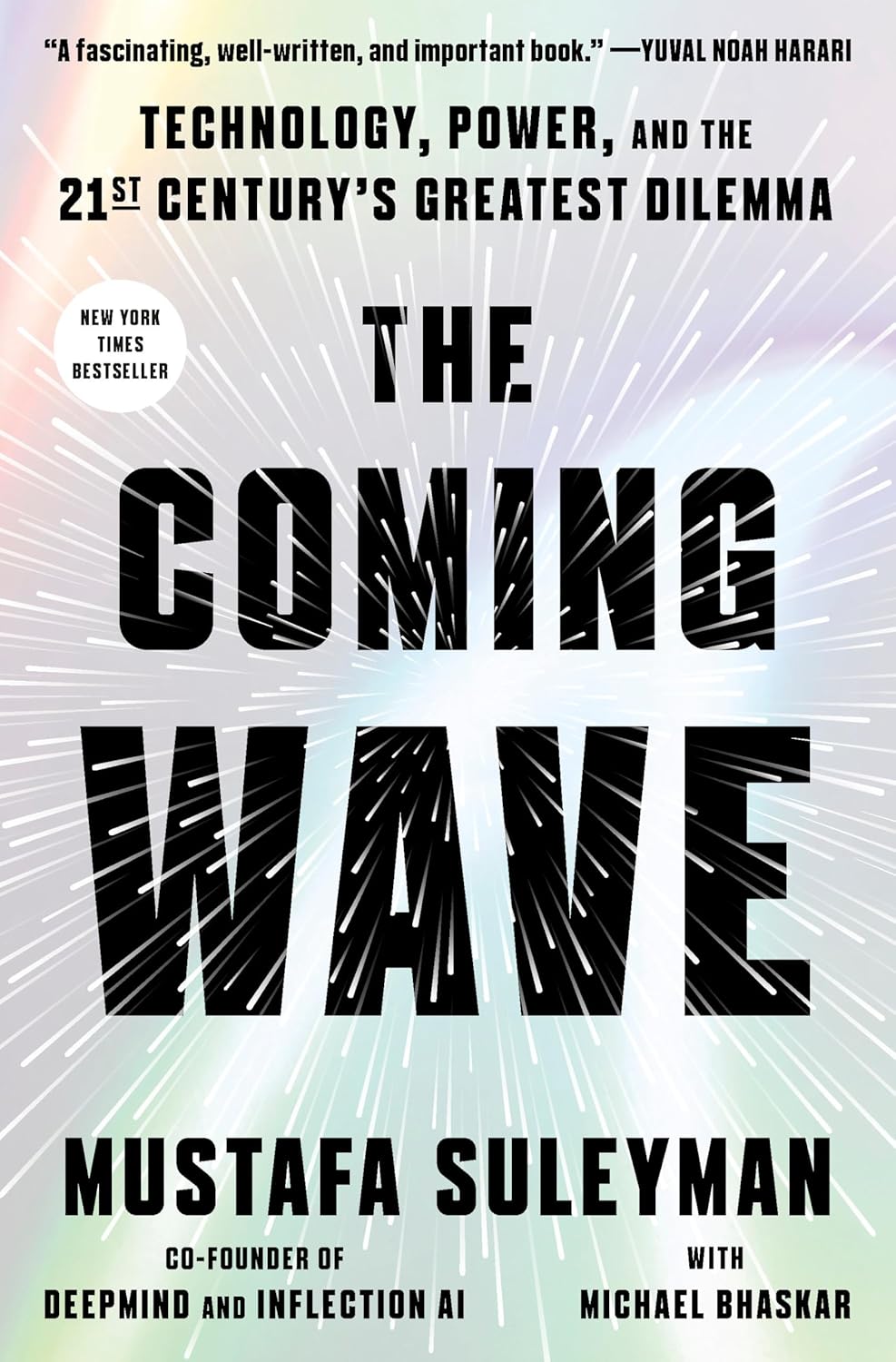
DeepMind co-founder on the dilemma of containing technologies that do not want to be contained.
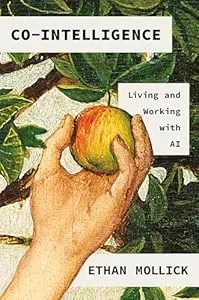
The best starting book if you're not technical: a Wharton professor explains how to work WITH AI — when to delegate, when to supervise, when to keep i
As an Amazon Associate, Zendoric earns from qualifying purchases; the price does not change for you. · all our recommended books →
🔗 Related on Zendoric