Patreon lays off 20% of its workforce and swears it isn't AI: the fine print says otherwise

🕒 Published on Zendoric: July 24, 2026 · 00:29
✨ AI-generated · how it's made
Patreon is laying off 93 people —one in five— and its CEO insists AI is not replacing anyone. But the same letter cites the market's 'profound shift' in just six months and announces a flatter, faster company: a pattern already familiar in the 2026 tech sector.
📚 Go deeper
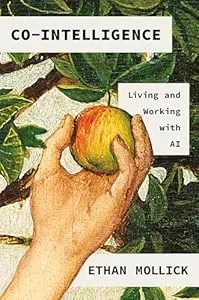
The best starting book if you're not technical: a Wharton professor explains how to work WITH AI — when to delegate, when to supervise, when to keep i
As an Amazon Associate, Zendoric earns from qualifying purchases; the price does not change for you. · all our recommended books →
By Zendoric · July 24, 2026.
Patreon, the platform that lets creators charge their followers directly, is laying off 93 people, 20% of its workforce, according to an announcement by its CEO, Jack Conte, in a letter sent to employees and shared publicly with the platform's creators. It is the company's second major round of cuts: in September 2022 it already let go of 80 people, 17% of its workforce at the time.
Conte attributes the decision to the fact that "the market we operate in has undergone a profound shift over the past six months" and to the need to adjust its cost structure in order to remain "a stable rock" for creators. On AI, he is explicit: it "has fundamentally transformed the tech industry, the pace of change has never been so intense, and I expect it to accelerate even further." But he closes with an important caveat: the company is not laying people off because it believes AI replaces people. "The more we learn to use these tools, the clearer it becomes that they are not substitutes for the creativity, judgment, attention to detail, or craft" of its workforce, Conte writes, consistent with what he had already said in March, when he asked AI companies not to release tools "in a way that creates a massacre for the world's creative people."
The figures the company itself provides do not describe a business in crisis: more than 300,000 active creators in almost every country, creator earnings growing "strongly and steadily" every month, and a network that already sends 1.5 million new members a month to creators, with memberships attributed to that feed multiplied more than fivefold since its launch. Patreon became a unicorn in 2020 and reached a valuation of $4 billion in 2021; since then it has competed with Substack, Beehiiv, YouTube's own memberships, and the white-label apps creators build themselves to cut out intermediaries.
The severance package is generous by industry standards: 16 weeks of pay plus an additional week for each year worked, health coverage through the end of the year, and $1,500 to replace the laptop. And the cuts are not an isolated case: creator commerce platform LTK already had layoffs in February, and companies such as Meta, Snapchat, and LinkedIn have done the same this year.
Our take: Conte's memo is a balancing act that is starting to recur in 2026 and that is worth learning to read between the lines. On the one hand, he flatly denies that AI replaces humans—a stance consistent with his previous rhetoric and probably sincere; on the other, he cites AI itself as the engine that has "transformed the industry" and justifies "flattening" the organization and gaining "agility" with fewer people. That combination—denying direct replacement while cutting staff by citing AI-driven disruption as the backdrop—is exactly the pattern we have seen at other tech companies this year: layoffs are made by invoking the new competitive environment accelerated by AI, not because a model literally does the work of a community manager or a product engineer.
There is also a textbook crisis-management reading: when the underlying business is doing well—and here the data Patreon itself provides suggests it is doing reasonably well—cutting 20% of the workforce in a single day and framing it in the vocabulary of AI disruption also serves to justify, to investors and remaining employees, a decision that would otherwise be hard to explain without admitting earlier over-hiring mistakes. We have already seen the flip side of this story with Klarna, which rehired after boasting of replacing staff with AI: the rush to look "AI-native" to the market can weigh as much as the actual need to cut costs.
In the short term, this is what must be reported without embellishment: 93 people lose their jobs today, in an industry—the creator economy—that was already competing on shrinking margins against larger, better-resourced platforms. In the medium term, Zendoric's underlying thesis still holds: the reorganization AI forces is not (yet) the direct replacement of human creativity, but a redistribution of which administrative and support roles become redundant when an organization grows flatter and faster. Conte himself admits it inadvertently: it is not that AI does his employees' work, it is that AI has changed the pace at which one has to operate, and that pace is cheaper to sustain with fewer people.
📚 Go deeper
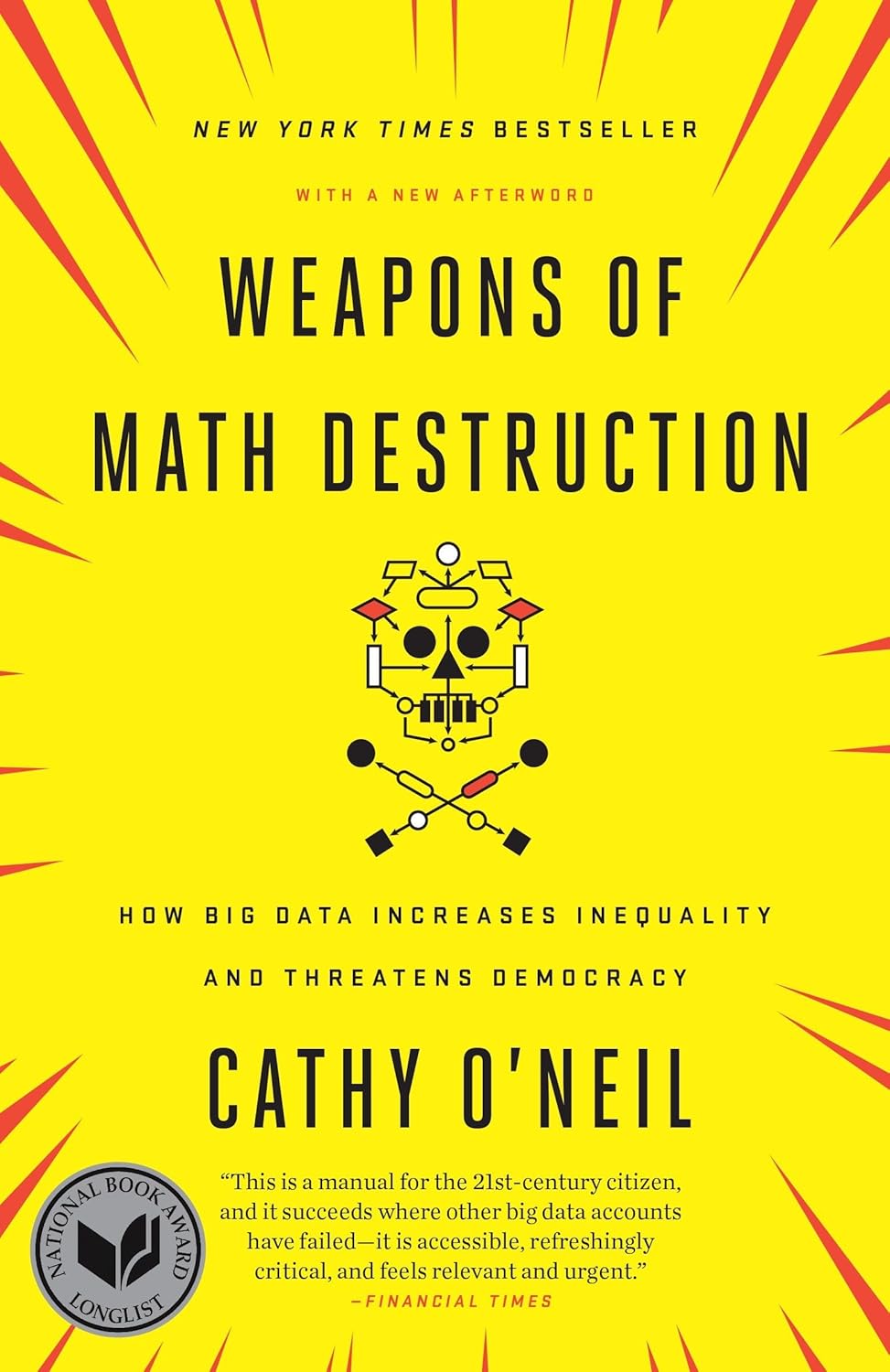
How opaque algorithms decide who gets credit, a job or parole — and why they tend to punish the same people.
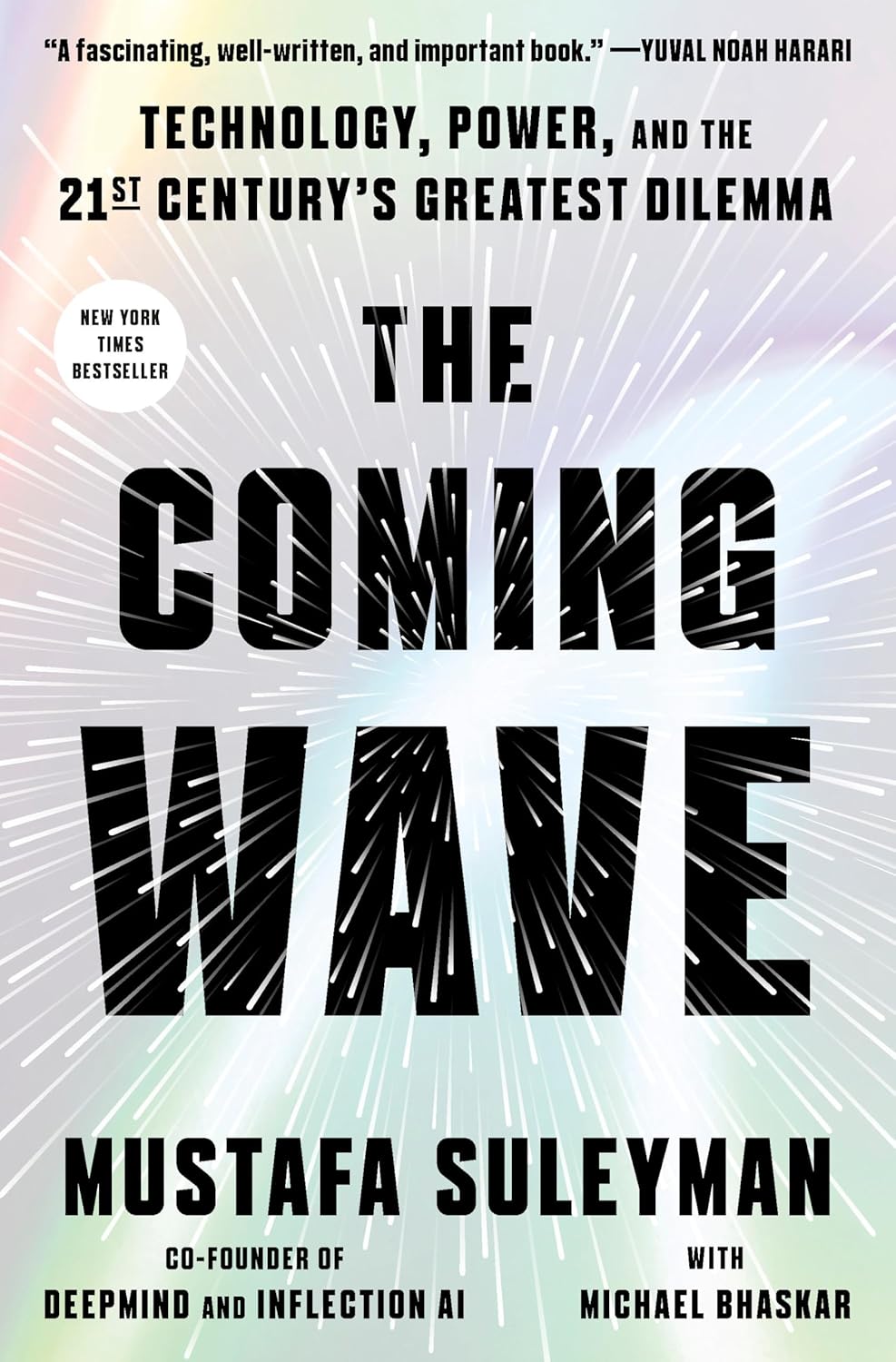
DeepMind co-founder on the dilemma of containing technologies that do not want to be contained.
As an Amazon Associate, Zendoric earns from qualifying purchases; the price does not change for you. · all our recommended books →
🔗 Related on Zendoric
- Microsoft denies AI is costing jobs while laying off 4,800 and the market has doubts · 2026-07-07
- International students read the market before anyone else: they choose AI over the MBA · 2026-07-23
- Visa cuts 2,600 jobs from product and tech — and the efficiency story now points upmarket, not at the back office · 2026-07-31