International students read the market before anyone else: they choose AI over the MBA

🕒 Published on Zendoric: July 23, 2026 · 00:24
✨ AI-generated · how it's made
57% of international students in the U.S. are already pursuing STEM degrees, according to the IIE's Open Doors report, and the master's in artificial intelligence is stealing ground from the MBA. Lender Prodigy Finance detects the same shift among 2026 applicants: first master the technology, then manage it.
📚 Go deeper

The best starting book if you're not technical: a Wharton professor explains how to work WITH AI — when to delegate, when to supervise, when to keep i
As an Amazon Associate, Zendoric earns from qualifying purchases; the price does not change for you. · all our recommended books →
By Zendoric · July 22, 2026.
The underlying figure is striking: 57% of international students enrolled in the United States today are studying STEM disciplines (science, technology, engineering and mathematics), according to the latest Open Doors report from the Institute of International Education (IIE). Within that group, mathematics and computer science account for 26% of foreign enrollments and engineering another 18%. India remains the largest country of origin, with more than 363,000 students in the 2024-25 academic year.
What is relevant is not only the volume but the shift in priorities it reveals. According to data from Prodigy Finance, an entity specialized in financing graduate studies for international students, applicants for the 2026 admissions cycle are abandoning the MBA as a default option in favor of specialized master's degrees in artificial intelligence, data science and business analytics. "Five years ago, an MBA was the default option for almost every international applicant we spoke to. Now we see many more students applying for a master's in AI, data science or analytics, sometimes alongside a general management degree rather than replacing it," explains Sonal Kapoor, global head of business at Prodigy Finance, quoted by Digital Journal. The pattern is strongly repeated among students from India and several African countries.
The phenomenon is not limited to purely technical careers. According to Prodigy Finance, disciplines such as environmental science, health, law and public policy are increasingly incorporating technological components: climate modeling and geospatial analytics in environmental studies, AI-assisted diagnosis and health informatics in healthcare, cybersecurity regulation and AI ethics in public policy. The sector's reading is clear: technical capability is no longer exclusive to the tech industry; it is being embedded across all professions. Moreover, many of these technical master's degrees cost as much as a traditional MBA, which keeps financial pressure on students who depend on scholarships, family savings and foreign-currency financing.
Our reading is that this shift confirms, from an unexpected angle, something we had already been documenting sector by sector: exposure to automation is not uniform, and those who combine technical judgment with business understanding come out better than the pure generalist. The classic MBA trained organizational managers; the new combination of a technical master's plus management trains people who understand from the inside the technology they are managing. It is the students themselves, with their own money and debt, who are carrying out the anticipatory exercise that many companies have not yet undertaken.
But it is worth not losing sight of the uncomfortable part, consistent with our insistence on separating the short term from the long term. These students are going into debt to enter precisely the segment—software development, junior data analysis—where generative AI is already compressing entry-level hiring, as we have noted when analyzing the sector-specific impact on tech. If the junior AI job market becomes saturated or automates faster than these programs take to graduate their first cohort, part of this bet may not pay off within the expected timeframes, and the financial risk falls on students who already face exchange rates and private financing.
In the long run, however, this massive migration of young talent toward AI is exactly the kind of human capital investment that underpins the abundance thesis: the more people understand how these systems are built and governed from within, the broader the social base that participates in their benefits instead of suffering them as something imposed from outside. The condition for that optimism to hold is that educational institutions and financiers adapt their cost and risk models to a technology that iterates faster than any two-year curriculum.
📚 Go deeper
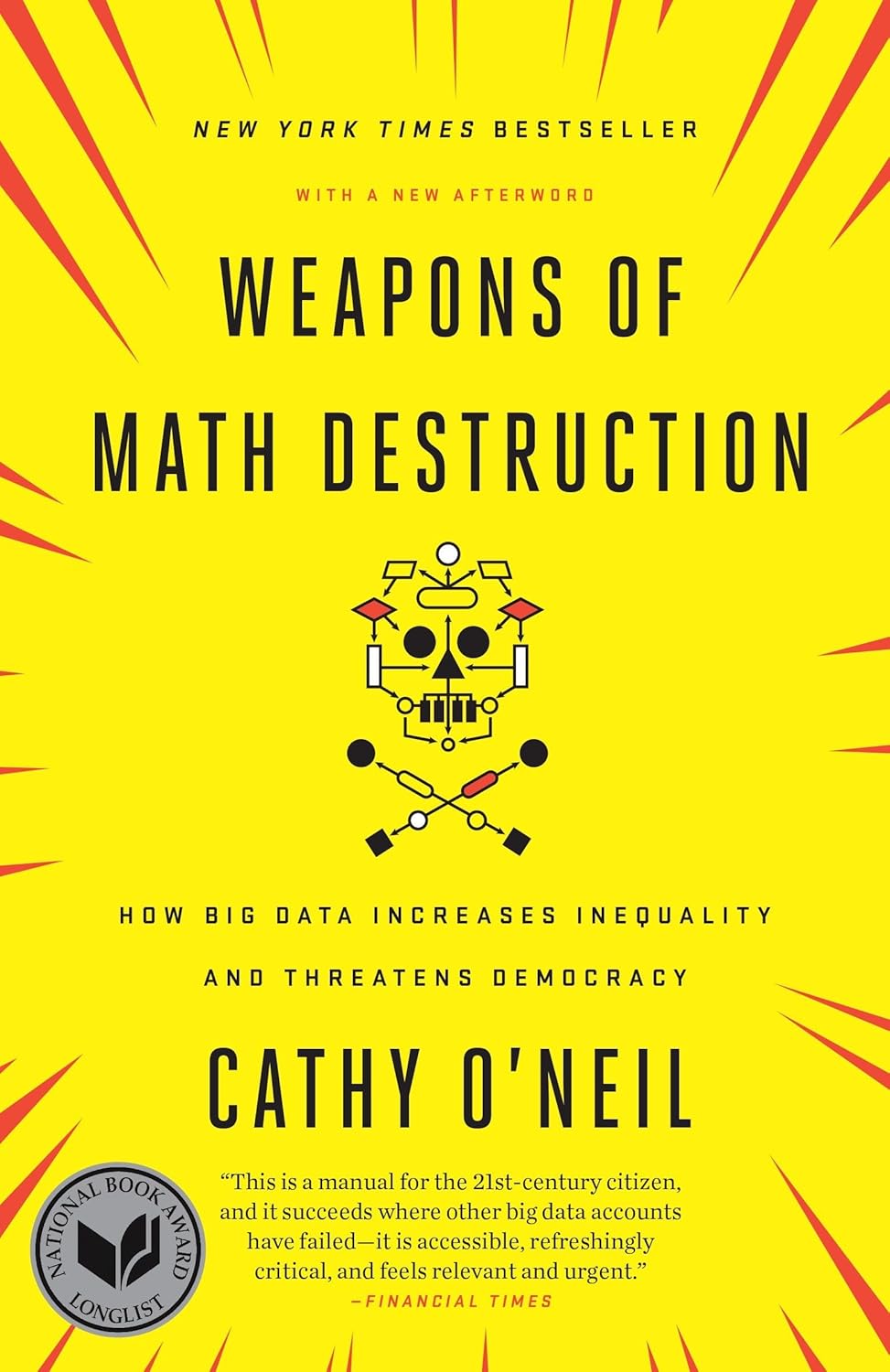
How opaque algorithms decide who gets credit, a job or parole — and why they tend to punish the same people.
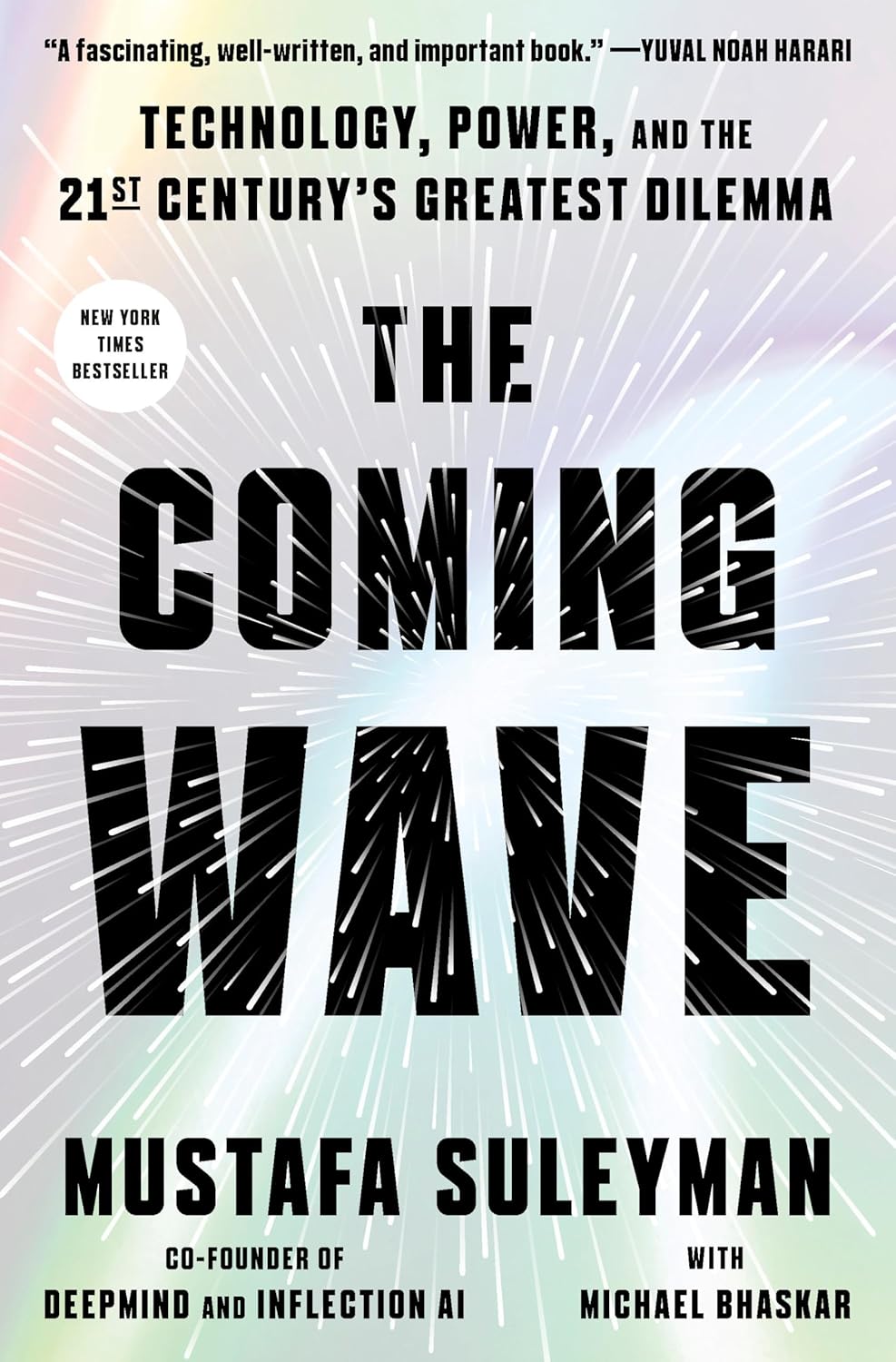
DeepMind co-founder on the dilemma of containing technologies that do not want to be contained.
As an Amazon Associate, Zendoric earns from qualifying purchases; the price does not change for you. · all our recommended books →
🔗 Related on Zendoric
- When AI doesn't lay off but cheapens: the ILO points to wages, not unemployment, as the first symptom · 2026-07-18
- Bristol students showcase AI and aerospace projects: the next generation is already touching the future · 2026-06-30
- A hospital claims to be a pioneer in using AI to detect infections earlier: the promise matters more than the headline · 2026-07-15