When AI doesn't lay off but cheapens: the ILO points to wages, not unemployment, as the first symptom

🕒 Published on Zendoric: July 18, 2026 · 01:58
✨ AI-generated · how it's made
A report cited by ABS-CBN argues that the real impact of artificial intelligence on the labor market may show up in paychecks before it appears in unemployment figures. The source article comes with very little development, but the thesis connects with something we have already been observing sector by sector.
📚 Go deeper
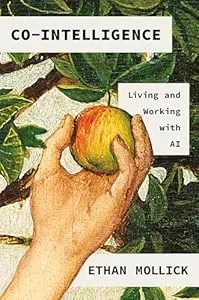
The best starting book if you're not technical: a Wharton professor explains how to work WITH AI — when to delegate, when to supervise, when to keep i
As an Amazon Associate, Zendoric earns from qualifying purchases; the price does not change for you. · all our recommended books →
By ABS-CBN · July 17, 2026.
The material available for this piece is, frankly, scarce: the original article barely preserves the headline and an attribution to the International Labour Organization (ILO), without the development, figures or quotes that would allow its argument to be dissected rigorously. Out of editorial honesty, we are not going to fill in with data that is not confirmed in the source. But the headline itself points to a thesis worth noting, because it fits a pattern we have seen repeated in our own sector-by-sector analysis of AI's impact on employment.
The underlying idea —that the inequality generated by AI first shows up in wages rather than in unemployment— is plausible and consistent with how automation tends to operate when it does not replace entire jobs but tasks within them: the company does not lay people off, but it stops raising the salary of those doing work the machine already partly covers, while paying a growing premium to those who know how to direct, supervise or combine that technology with human judgment. It is a quieter mechanism than a mass-layoffs headline, and for that very reason harder to detect and to regulate: it does not appear in unemployment statistics, which are the ones that usually set off political and union alarm.
Our reading is that this kind of warning, coming from a body like the ILO, is consistent with the hard short-term transition we have been arguing at Zendoric without sugarcoating: before reaching any future abundance, it is reasonable to expect years of readjustment where inequality is measured not only in unemployment lines, but in the growing gap between those who capture the value of working with AI and those who watch their role devalued in real time. If the diagnosis is confirmed with data —something this article, as available, does not allow us to verify—, it would have a relevant public-policy implication: traditional employment indicators could be giving a false sense of calm while wage inequality does the dirty work below the radar. It is an angle worth following when the ILO itself publishes the full report with series and methodology, something this version of the article does not include.
📚 Go deeper
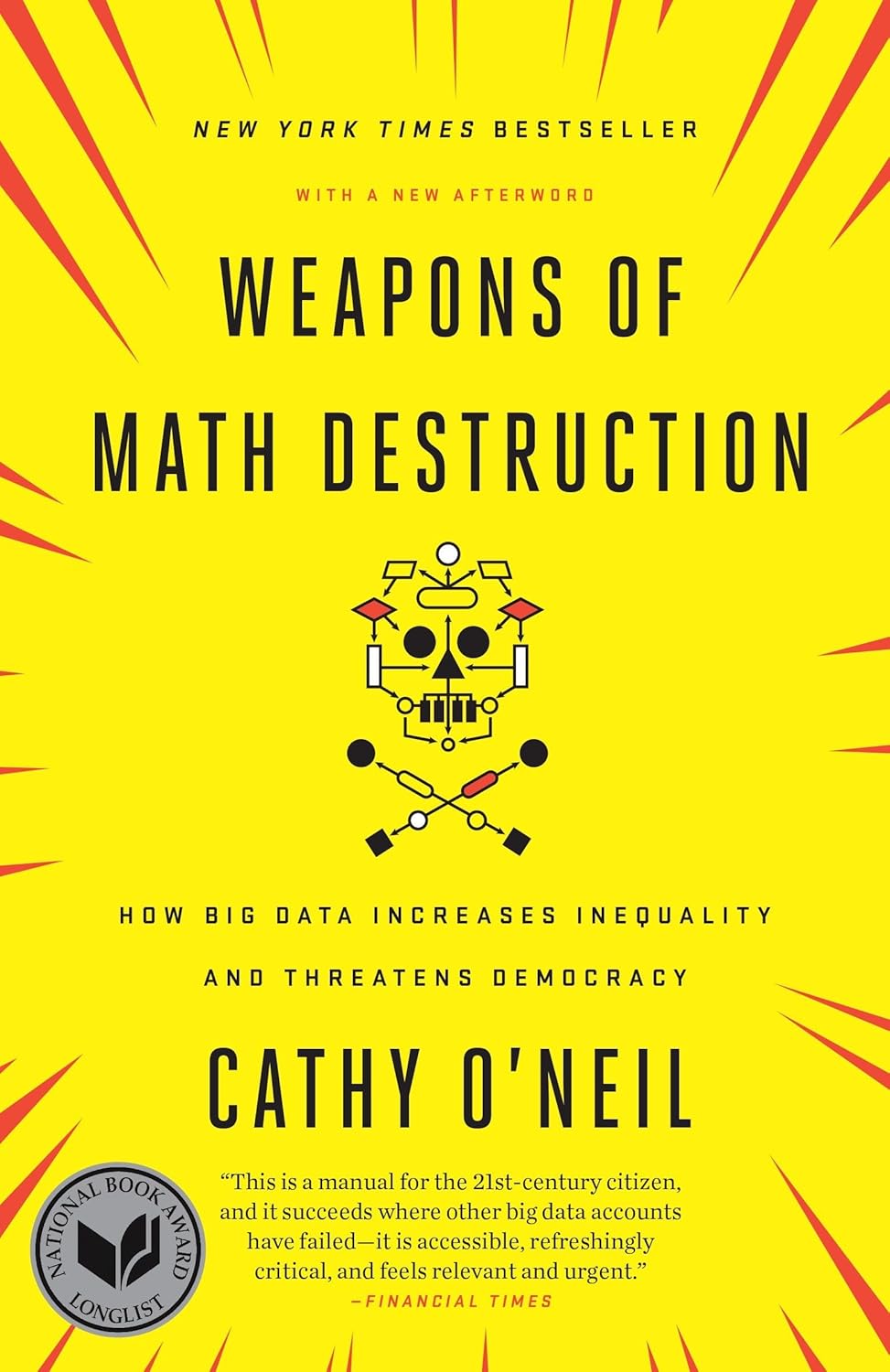
How opaque algorithms decide who gets credit, a job or parole — and why they tend to punish the same people.
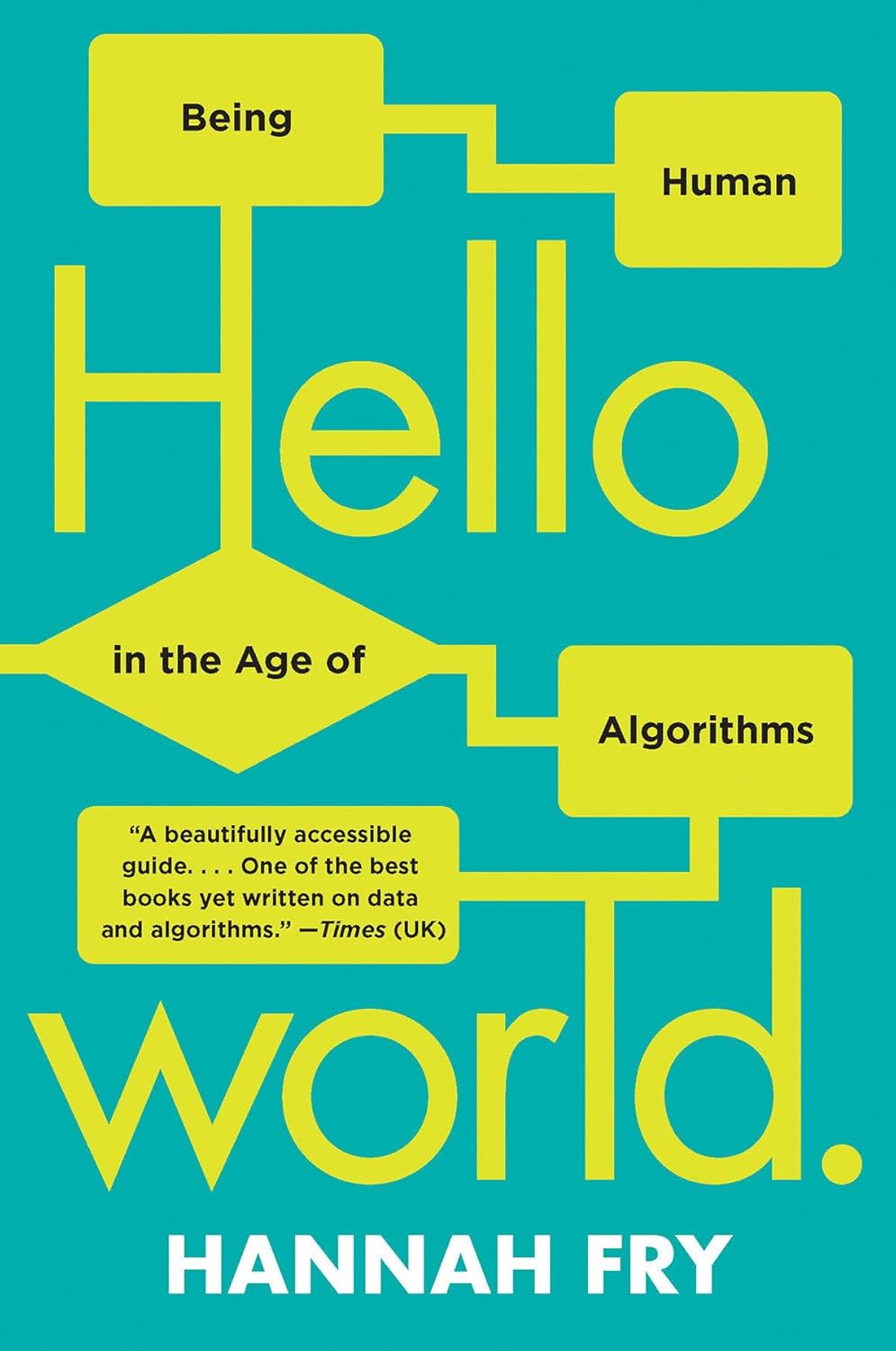
Algorithms in justice, medicine, cars and art, explained with British humor and mathematical honesty.
As an Amazon Associate, Zendoric earns from qualifying purchases; the price does not change for you. · all our recommended books →
🔗 Related on Zendoric
- International students read the market before anyone else: they choose AI over the MBA · 2026-07-23
- Hartford bets on teaching AI to its young people before the job market leaves them behind · 2026-07-01
- A university trophy and the underlying question: where will the talent to govern AI come from? · 2026-07-03