Hinge kicks you out without saying why: a journalist's case exposes the black box of AI moderation

🕒 Published on Zendoric: July 24, 2026 · 00:29
✨ AI-generated · how it's made
A columnist for The Spectator signed up for Hinge, the largest dating app in the U.S., to test complaints from users banned without explanation. She was expelled after 15 minutes of harmless use, and neither the company nor its moderation AI ever told her what she had done wrong.
📚 Go deeper
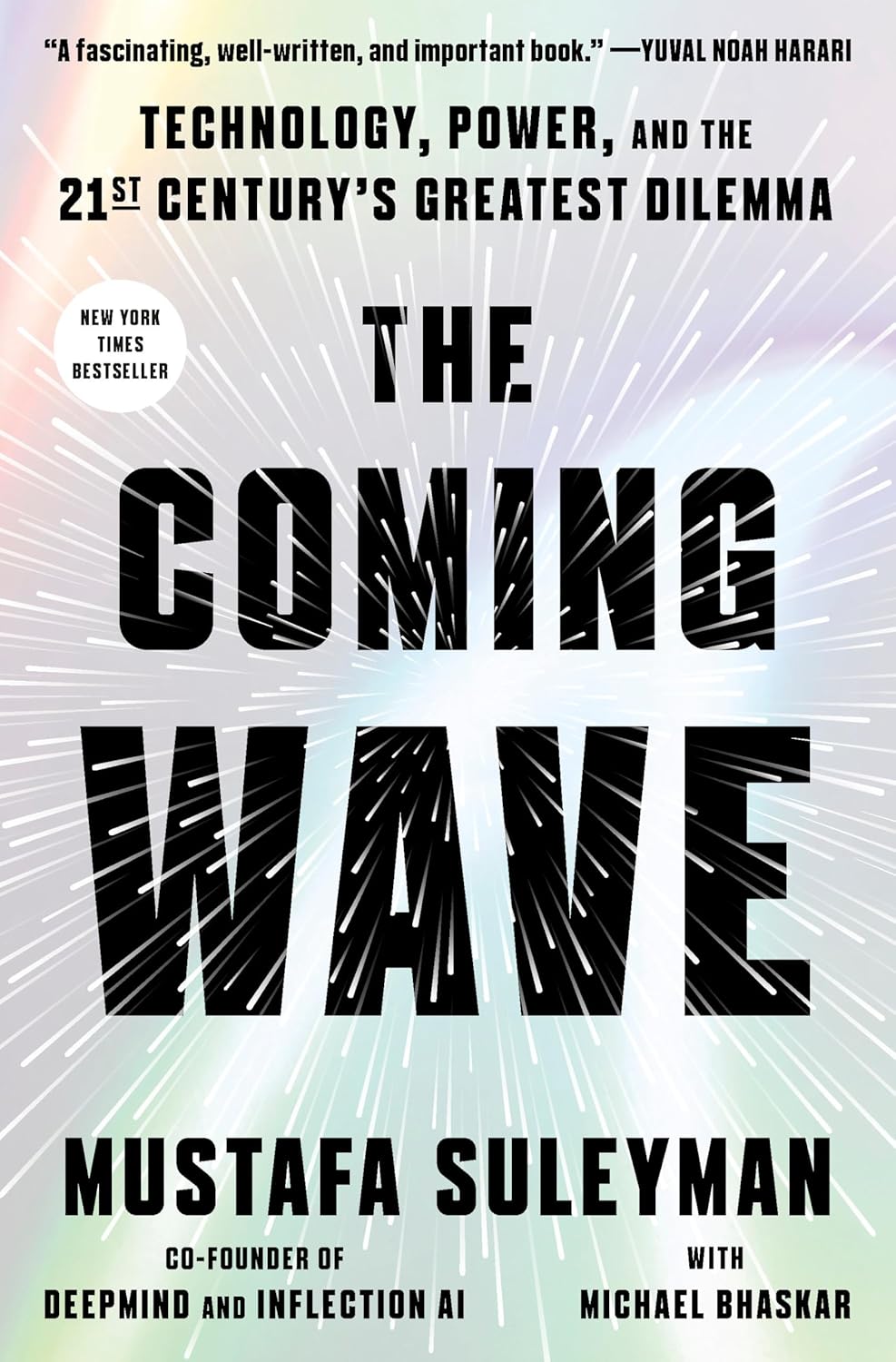
DeepMind co-founder on the dilemma of containing technologies that do not want to be contained.
As an Amazon Associate, Zendoric earns from qualifying purchases; the price does not change for you. · all our recommended books →
By The Spectator · July 23, 2026.
Melissa Kite, a columnist for The Spectator, had for some time been seeing a disturbing pattern on Reddit: users of dating apps expelled without warning or explanation, some describing themselves as on the verge of despair at being unable to rebut an accusation they know nothing about. She decided to test it firsthand on Hinge, owned by Match Group —the same parent company as Tinder— and with 30 million users worldwide. According to the company's own data, 80% of accounts deemed harmful are removed by AI before any user even reports them.
Kite signed up with a deliberately proper profile, professional photos and a single comment on someone else's profile —"Nice tux!", on a wedding photo— which the system itself flagged as inappropriate before it was even posted; she deleted it. She wrote to no one else, sent no messages, and just browsed profiles for a quarter of an hour. The next day, her account was removed for breaching "one or more" policies, with no further detail. When she complained identifying herself as a journalist, Hinge responded that due to "privacy requirements" it could not comment on individual cases to the media, and referred her to an appeals process reviewed by a human "trust and safety team," able to escalate the case to a specialist if deemed appropriate. She declined to appeal something she says she did not do, and deleted the app.
The case is an anecdote, not a study, and it should be treated as such: there is no way to verify whether the closure of her account was due to a failure of the language classifier, the absence of a paid subscription or some other cause. The author herself acknowledges that her hypotheses —that Hinge purges non-paying profiles or applies demographic quotas linked to the sign-up questions on orientation, race and religion— are her own speculation, not a fact documented by the company; they should be read as what they are, the suspicions of a frustrated user faced with corporate silence, not as a proven accusation against Match Group.
What is a fact, and the one that really matters here, is structural: an automated system made an irreversible decision about a person's digital reputation, and neither the company nor its AI offered a concrete reason, only a link to generic terms and conditions. That pattern is not unique to dating apps. It is the same one we have already seen in social media moderation, in credit-scoring systems or, more recently, in the use of algorithmic metrics to decide layoffs: the machine filters, the human rarely explains, and the user is left with no real channel of defense because they do not know the charge being brought against them.
This is, for Zendoric, the least flashy but most everyday face of AI deployed at scale: not the superintelligence that eradicates diseases nor the model that writes code, but the cheap, opaque classifier that decides, in seconds and without effective oversight, who stays in and who is left out of a service. In the short term, the problem is not that AI is malign, it is that it is cheaper to automate expulsion than to guarantee due process, and companies know it. Large-scale AI moderation practically demands false positives as a cost of doing business; what distinguishes a responsible company from one that is not is whether it offers a real, and not cosmetic, avenue to correct them.
In the long term, we hold that AI will keep making the detection of harmful behavior cheaper and more accurate, and that is positive: less harassment, fewer fake profiles, safer platforms. But that benefit only materializes if it comes accompanied by algorithmic transparency and an effective right to know why a machine has flagged you, not an automated note referring you to a hundred pages of fine print. The abundance that AI promises is not just about generating more, it is also about being accountable for what it decides; as long as companies treat explanation as an optional luxury, there will keep being a new Joseph K every week, expelled from a dating app without ever knowing what they are accused of.
📚 Go deeper
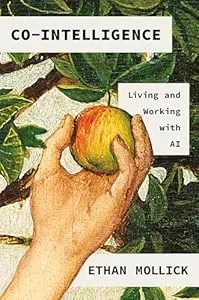
The best starting book if you're not technical: a Wharton professor explains how to work WITH AI — when to delegate, when to supervise, when to keep i
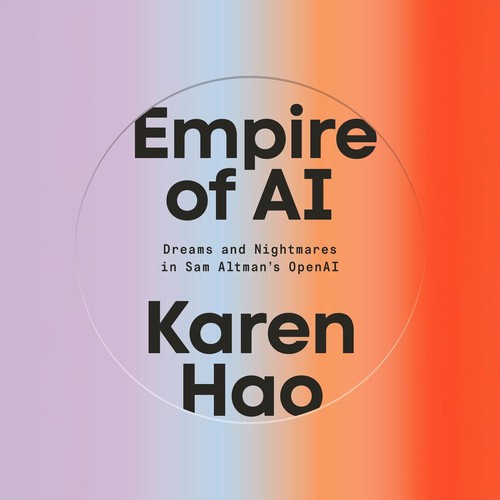
The definitive piece of investigative journalism on OpenAI: 260+ interviews, the clash between safety and speed, and the attempted firing of Sam Altma
As an Amazon Associate, Zendoric earns from qualifying purchases; the price does not change for you. · all our recommended books →
🔗 Related on Zendoric
- Hinge bans AI accounts without saying why: when automated moderation becomes a black box · 2026-07-25
- When a decree shuts off an API: the Legion case exposes the fragility of building on a single AI provider · 2026-06-24
- The ironic Goose case: an 'anti-algorithm' app accused of fabricating men with AI to sell itself · 2026-07-03