The ironic Goose case: an 'anti-algorithm' app accused of fabricating men with AI to sell itself

🕒 Published on Zendoric: July 3, 2026 · 01:20
✨ AI-generated · how it's made
A Wired investigation suggests that the gay dating app Goose may have used AI-generated Instagram profiles to promote itself among real users. The company denies it, but the case illustrates a problem far broader than the app itself: the erosion of trust when the human can no longer be told apart from the synthetic.
📚 Go deeper
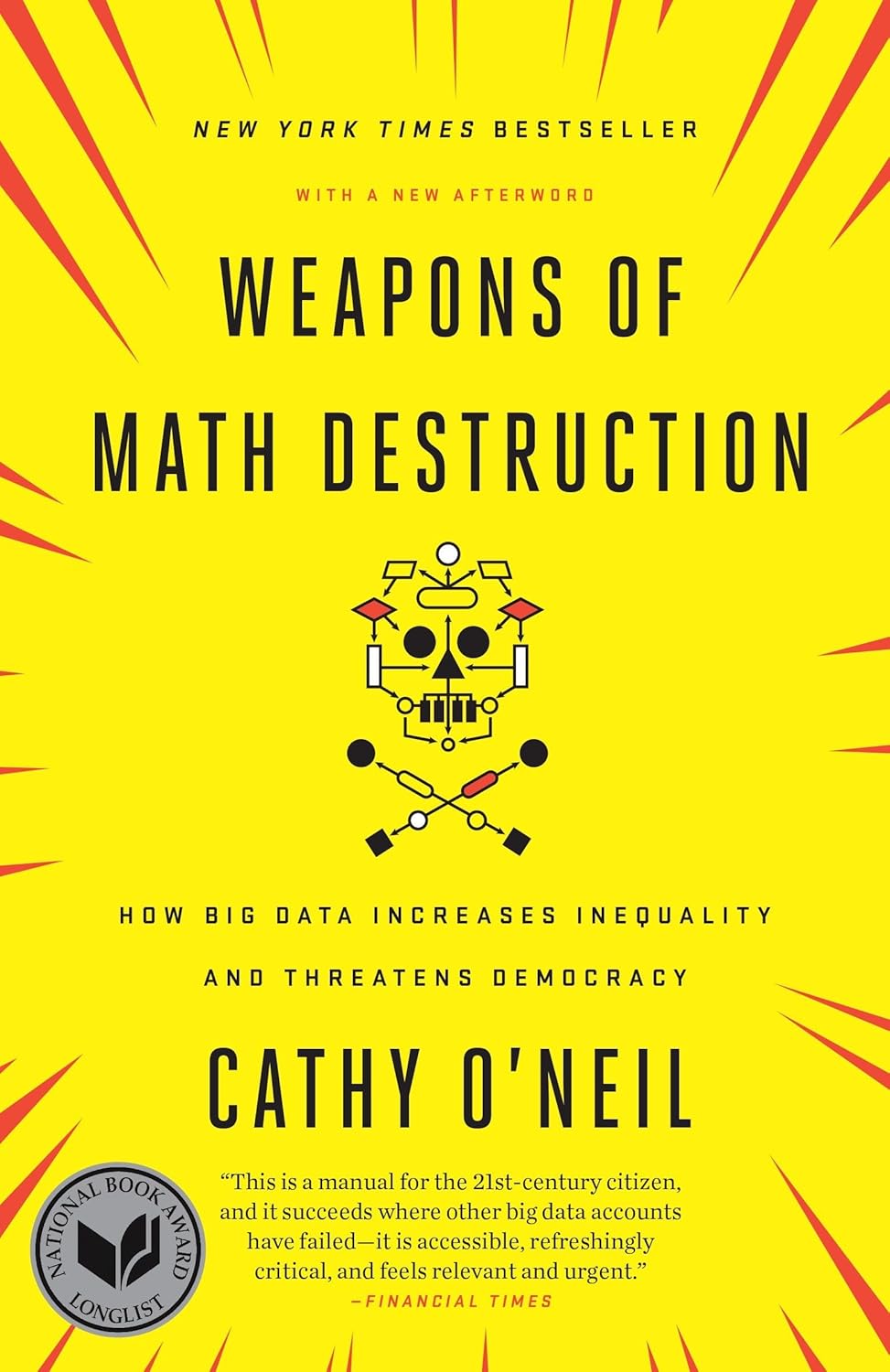
How opaque algorithms decide who gets credit, a job or parole — and why they tend to punish the same people.
As an Amazon Associate, Zendoric earns from qualifying purchases; the price does not change for you. · all our recommended books →
By Mashable · July 2, 2026.
Goose launched this year presenting itself as the antithesis of Grindr and the like: no algorithm, no matching system, just a gesture ("wave") between invitation-verified users. Founded by actor and model Derek Chadwick, the pitch appealed precisely to what the gay app market has spent years missing: authenticity against the fatigue of fake profiles, bots and interfaces monetized to exhaustion. But according to a Wired investigation cited by Mashable, Goose's own launch campaign may have resorted to what it claimed to be fighting. Wired identified more than two dozen Instagram accounts created in May and June 2026, each with barely a handful of posts, that were sending direct messages to gay men and adding them to their "Close Friends" to promote the app. When the images from those profiles were run through AI detectors, the result indicated a high probability that they were artificially generated.
It is important to note, as Wired itself does, that these detectors are not infallible: they give probabilities, not certainties, and we have already seen in other cases how they fail in both directions. But the combination of indicators—new accounts, minimal activity, a coordinated messaging pattern and the testimony of the contacted users themselves—points to a covert marketing operation rather than a technical glitch. Goose, for its part, has denied the accusation with a statement insisting that its team "hand-picked" every person invited to the app and suggesting, without evidence, that this is an attack by a competitor. Neither version is independently confirmed; what is a documented fact is the existence of those accounts and their timing coinciding with the app's launch. Wired also recalls that the FTC prohibits deceptive advertising and requires covert advertising on social media to be disclosed as such, a legal framework that, should the use of fictitious profiles for promotional purposes be confirmed, would be directly applicable.
What makes this episode interesting is not so much Goose itself—one more app in a market already saturated with alternatives to Grindr, from Sniffies to SCRUFF—but what it reveals about the current playing field. Any actor, with minimal budget, can today fabricate dozens of credible digital identities, give them a coherent visual biography and deploy them to generate the illusion of organic demand. It is the consumer version of a problem we already see in financial fraud, political disinformation and corporate reputation campaigns: generative AI democratizes the fabrication of social presence on a scale that previously required armies of workers or crude, easily detectable bots. Goose's very "anti-algorithm" branding becomes almost ironic if its initial growth relied on techniques that depend precisely on Instagram's algorithmic opacity to slip in among real contacts.
Our reading is that cases of this kind are going to multiply before defensive tools improve, and it is best not to treat them as curious anecdotes but as symptoms of a structural mismatch: the ability to generate convincing synthetic content has advanced faster than the social, legal and technical mechanisms to verify authenticity. In the short term this erodes trust in any unverified digital interaction—from a dating profile to a product review—and shifts the burden of proof onto the user, who has ever fewer certainties about whom or what they are talking to. It is exactly the kind of transitional friction we acknowledge without evasion: not every application of generative AI produces immediate net value, and undisclosed synthetic marketing is a use that, if confirmed, deserves the regulatory sanction the FTC already contemplates.
That said, the reasonable response is not to reject the technology but to accelerate the verification layers that accompany it: content provenance systems, more robust detection and, above all, legal frameworks that require disclosure when a commercial interaction relies on artificial identities. In the medium term, that same surge of distrust tends to generate the authentication standards that ultimately make the digital ecosystem as a whole more reliable—as has historically happened with spam, phishing or fake reviews. The paradox of Goose, an app that sells authenticity and may have promoted itself with nonexistent men, is an uncomfortable but useful reminder: the next wave of competitive differentiation in any digital product, from dating to finance, will not be just having the best AI model, but being able to demonstrate verifiably what is human and what is not.
📚 Go deeper
The best starting book if you're not technical: a Wharton professor explains how to work WITH AI — when to delegate, when to supervise, when to keep i
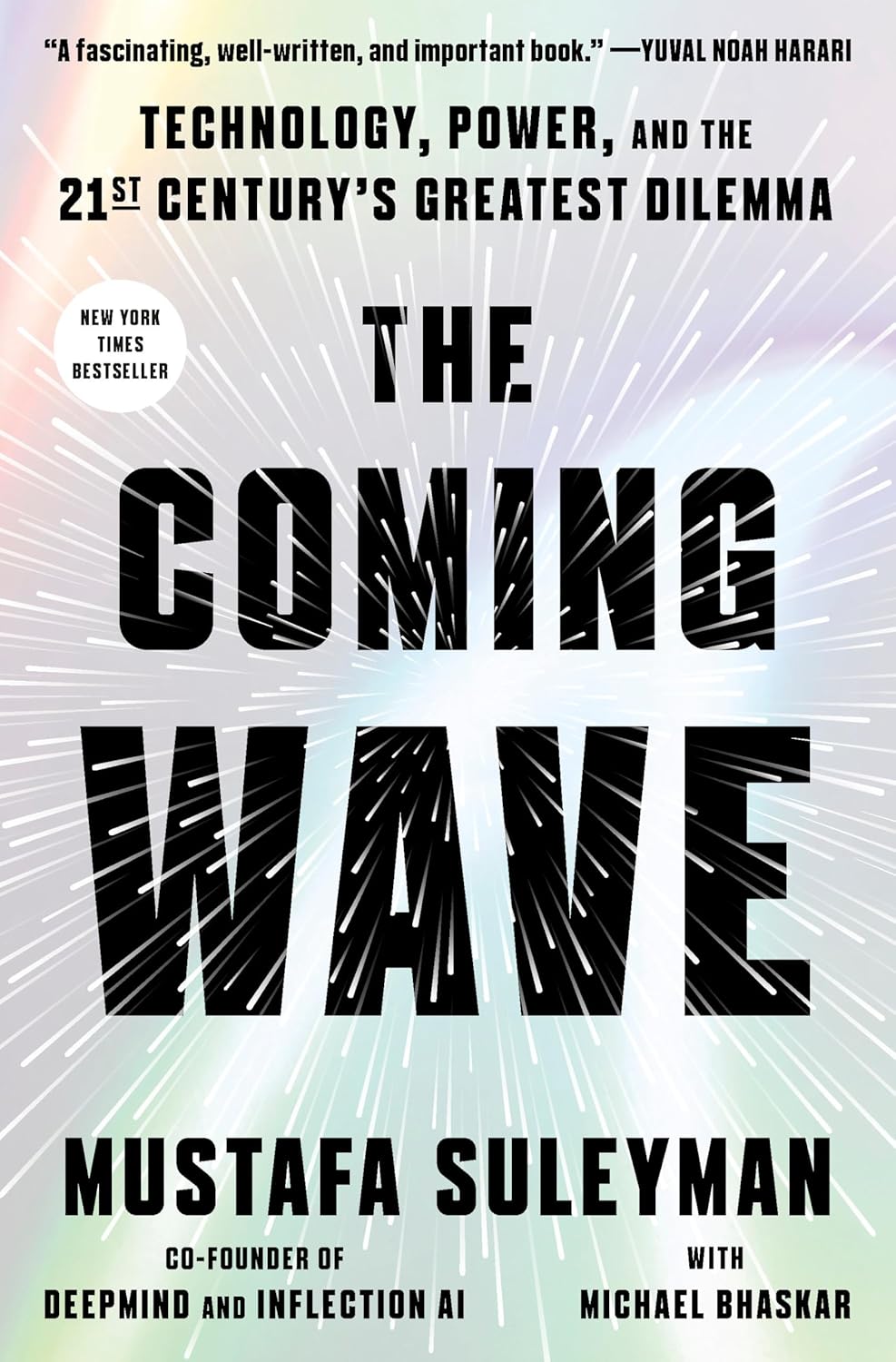
DeepMind co-founder on the dilemma of containing technologies that do not want to be contained.
As an Amazon Associate, Zendoric earns from qualifying purchases; the price does not change for you. · all our recommended books →
🔗 Related on Zendoric
- Meta pulls its controversial Instagram AI feature that let users generate images from other people's public accounts · 2026-07-14
- AI-generated CSAM at an Illinois school: the hardest abuse to detect no longer needs a hidden camera · 2026-07-04
- Altman invited his harshest critic: Eggers told OpenAI that ChatGPT is 'silencing a generation' · 2026-07-19