Musk pledges an all-AI "Odyssey" to rival Nolan — a stunt that exposes what generative video still can't do
🕒 Published on Zendoric: July 24, 2026 · 00:29
✨ AI-generated · how it's made
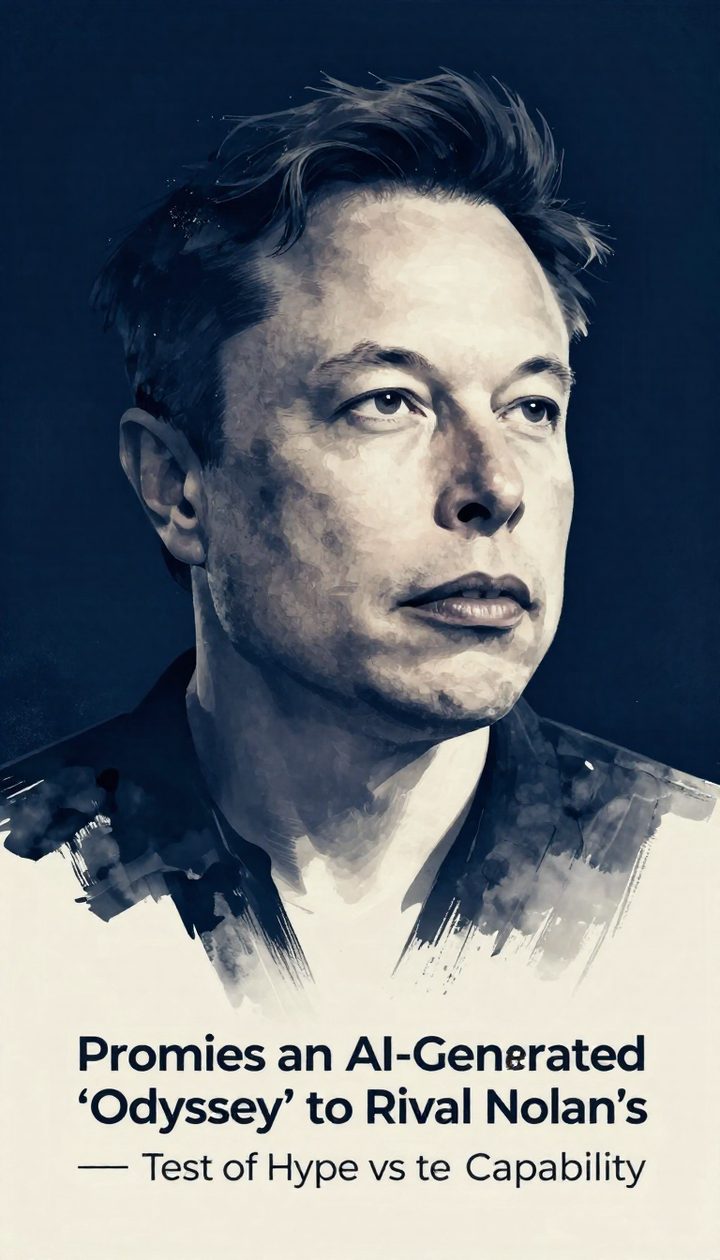
After Christopher Nolan's "The Odyssey" opened to $263M, Elon Musk said Grok Imagine will produce a full-length AI version "before the end of the year." It's a revealing test of ambition versus demonstrated capability — and a promise loaded with contradictions.
📚 Go deeper
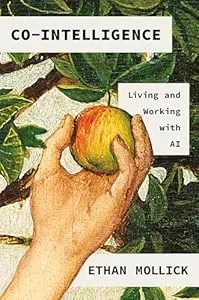
The best starting book if you're not technical: a Wharton professor explains how to work WITH AI — when to delegate, when to supervise, when to keep i
As an Amazon Associate, Zendoric earns from qualifying purchases; the price does not change for you. · all our recommended books →
The facts, attributed. Elon Musk announced on X that his Grok Imagine model will produce a full-length, AI-generated version of "The Odyssey" before the end of the year — one he claims will be "historically correct and faithful to the art of Homer," per FayerWayer. The announcement came as a direct response to Christopher Nolan's big-budget adaptation, which took in more than $263 million in its first global week.
FayerWayer reports that Musk also attacked Nolan's casting choices — specifically Lupita Nyong'o as Helen of Troy and Elliot Page as Sinon — and, according to the outlet, amplified comments of a racist and transphobic nature among his followers. We report that as the outlet's characterization; the substance of the tech claim can be judged on its own terms.
And on its own terms, the promise is shaky. The "historically correct" framing collapses on contact with the source material: the outlet notes that classicists were quick to point out that Homer's poem is myth — gods intervening, fantastical creatures, fiction and fantasy — not a historical record. There is no "historically accurate" Odyssey to be faithful to. That's not a small slip; it's the whole conceit.
Context on the technology. Generative video has advanced fast, and short, striking clips are now trivially producible — Musk's announcement came with conceptual CGI footage. But a coherent, feature-length film is a categorically different problem: sustained character consistency, narrative continuity across hours, coherent physics, sound, editing, performance. No one has yet shipped a watchable feature made end-to-end this way. "Before the end of the year" is an aspiration, not a demonstrated capability — and the distinction between the two is the entire game.
Meanwhile, the market delivered its own verdict. FayerWayer reports that despite a campaign on X to hurt the film's performance, Nolan's "Odyssey" became one of the highest-grossing entries of his career. Audiences paid for the theatrical, large-format experience. Whatever the state of AI, demand for it remains intact.
Our reading: this is where we separate the tool from the theater around it. AI video generation is a genuinely transformative technology — it will lower the cost of visual storytelling and put filmmaking in far more hands, and that democratization is worth celebrating. But that promise is not served by launching it as a culture-war weapon against a specific cast, nor by overselling a year-end feature that current systems almost certainly can't deliver at quality. The pattern is familiar: announce the aspiration, borrow the credibility of a real hit, let the demo stand in for the product. The honest version is more modest and more interesting — the tools are improving quickly, the feature-length threshold hasn't been crossed, and "faithful to Homer" is a claim about marketing, not about capability. Judge it when the film exists.
📚 Go deeper
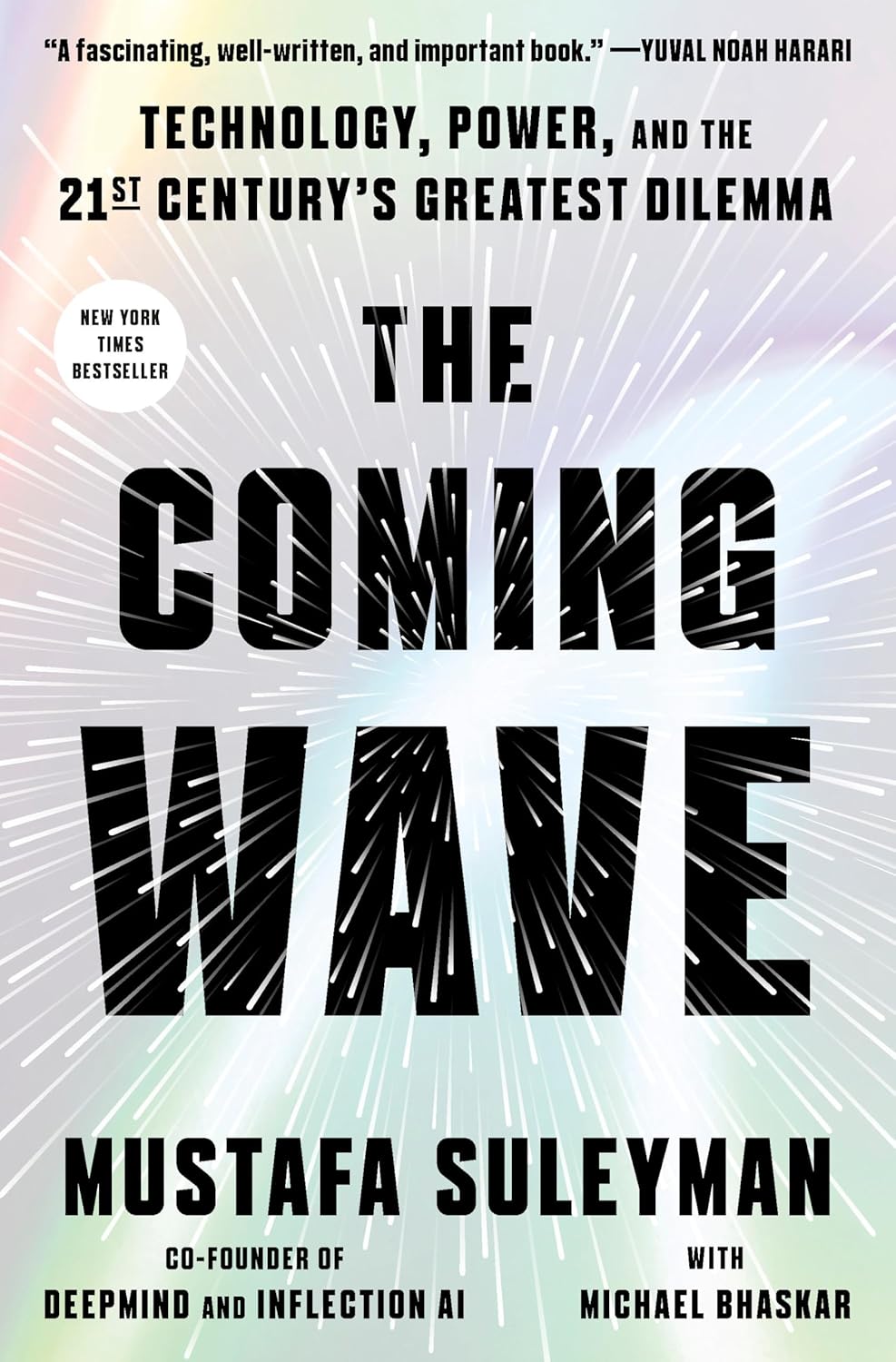
DeepMind co-founder on the dilemma of containing technologies that do not want to be contained.
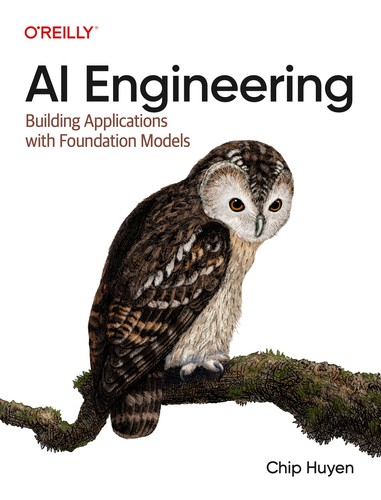
The reference manual for building products on top of AI models: prompts, RAG, fine-tuning, agents, evaluation and deployment.
As an Amazon Associate, Zendoric earns from qualifying purchases; the price does not change for you. · all our recommended books →
🔗 Related on Zendoric
- Musk pits Grok Imagine against Nolan's 'Odyssey': a stunt that mistakes generation for filmmaking · 2026-07-25
- OpenArt and NovaLand turn to generative AI to create children's series that help kids leave the screen · 2026-07-28
- Anthropic versus Alibaba: the 'distillation attack' that tests AI's competitive moat and the sector's trillion-dollar valuation · 2026-06-28