OpenArt and NovaLand turn to generative AI to create children's series that help kids leave the screen
🕒 Published on Zendoric: July 28, 2026 · 00:38
✨ AI-generated · how it's made
Startup NovaLand will use OpenArt's new 'Director', a conversational video AI, to produce social-emotional learning series for preschoolers, both neurodivergent and neurotypical. The promise: cinema-quality animation with minimal teams and budgets far below those of a traditional studio.
📚 Go deeper
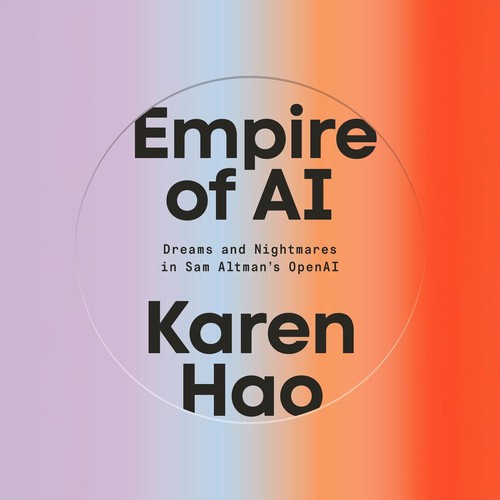
The definitive piece of investigative journalism on OpenAI: 260+ interviews, the clash between safety and speed, and the attempted firing of Sam Altma
As an Amazon Associate, Zendoric earns from qualifying purchases; the price does not change for you. · all our recommended books →
By Zendoric · July 28, 2026.
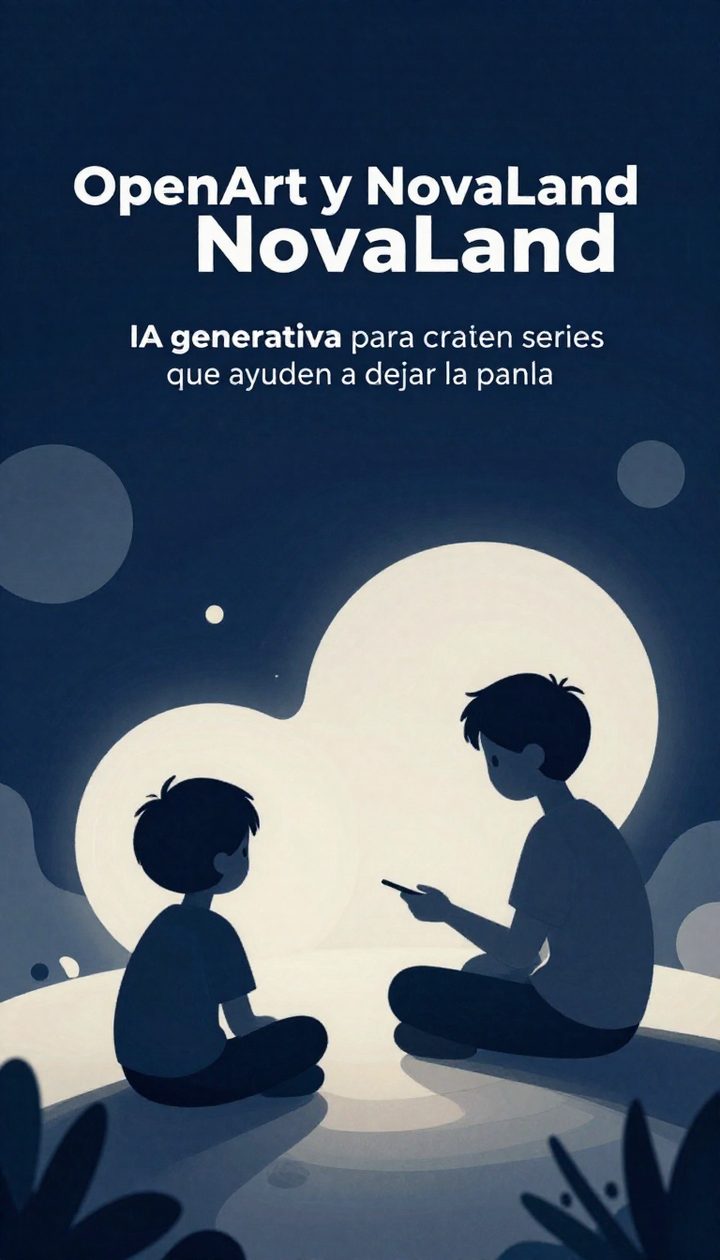
AI audiovisual creation platform OpenArt and children's content startup NovaLand have announced a deal: NovaLand's animation studio will use OpenArt's toolset, specifically its Director platform, launched last month, to produce series focused on social-emotional learning aimed at preschool and early primary school children, both neurodivergent and neurotypical. The first episodes tackle one of the hardest moments of daily family life: getting the youngest children to put down the screen.
"At NovaLand we believe every child deserves stories that not only entertain them but also help them grow," explains Helena Shi, co-founder and chief executive of NovaLand, a member of Harvard Innovation Labs and recognized as a Novab Social Impact Fellow. According to Shi, OpenArt allows them to "build a completely new production pipeline that lets a small team create cinematic-quality content faster than ever and at a fraction of the budget traditional animation demands." Ermin Monzon, head of content and education at OpenArt, adds that the company is "passionate about mental health and wellbeing, especially when it comes to the youngest." These are statements from interested parties, and that is worth bearing in mind: neither company cites independent studies backing the clinical efficacy of the content, beyond mentioning collaborations with clinics and neurodivergent organizations.
The interesting technical detail is Director, the OpenArt tool that debuted last month. Its "vibe directing" interface (directing by intent) replaces the single prompt with a continuous conversation: the creator describes the emotion, the story, the characters and the pacing, and the system generates the scene; it can then be edited scene by scene without regenerating the entire video. That is a meaningful difference from other AI video tools, which tend to recreate the whole piece with any change and in doing so alter details the user wanted to preserve, such as a character's look or the set. If it works as described, it solves a real creative-control problem that has held back the adoption of generative video in productions with narrative continuity.
The team behind NovaLand is no improvised outfit: production is led by William Lau, an award-winning director who headed the Emmy-winning series The Last Kids on Earth and has credits on Barbie, Batwheels and My Little Pony, while the technical side is handled by Cheng Zhao, a former technical lead at Meta. The company says it works with clinics, neurodivergence organizations and educational partners to shape its stories, although for now these are partnerships whose scope and measurable results remain undisclosed.
There is an underlying paradox worth pointing out: AI-generated video, consumed on a screen, is being used to teach children to put down the screen. It is not necessarily contradictory - the stated goal is a gradual transition, not total abstinence - but it does demand more rigor than usually accompanies "children's wellbeing" marketing in the tech sector. When the audience is children and, moreover, includes neurodivergent children, "evidence-based design" labels should come with published clinical validation, not just joint press releases.
That said, the case neatly illustrates the underlying thesis we hold at Zendoric about AI and creative work: in the short term, tools like Director drastically reduce the need for the animators, colorists and post-production teams that any television-quality series used to require, and that puts pressure on employment in a sector — animation — that until now was considered relatively protected by its craft component. In the long term, however, it is exactly the kind of abundance we champion: a small team, on a startup budget, can now produce specialized content for audiences no large commercial studio would prioritize — neurodivergent children, families in transition away from screens — because the business case would never have justified the cost of traditional animation. If the promise of efficacy holds up with real evidence, this is an early example of how generative AI can turn niches of high social value and low economic return into viable projects. That is the ground where the abundance argument is really settled: not in the hype, but in whether these tools make it possible to do, at sustainable prices, things that were previously simply unfeasible.
📚 Go deeper
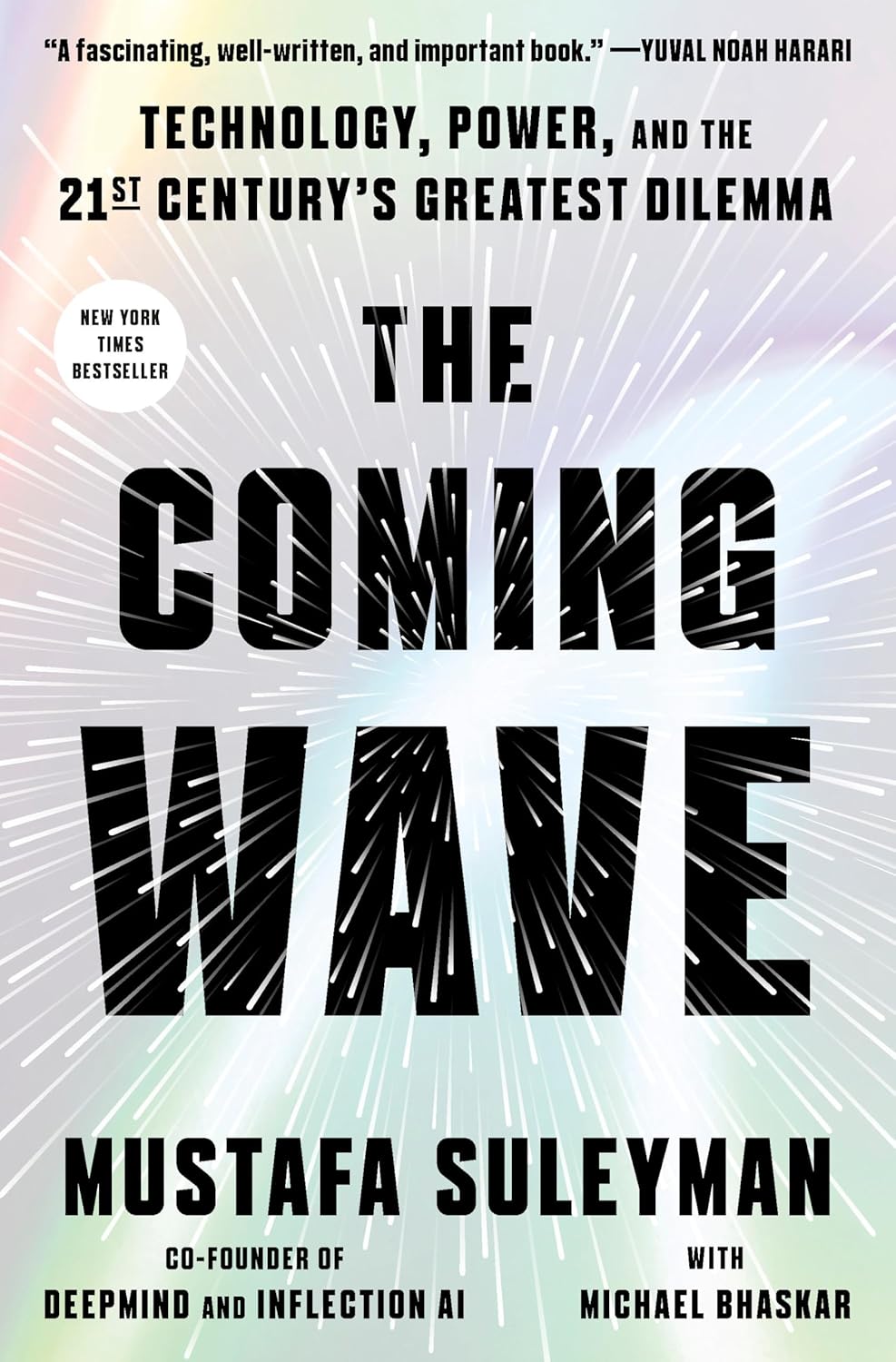
DeepMind co-founder on the dilemma of containing technologies that do not want to be contained.
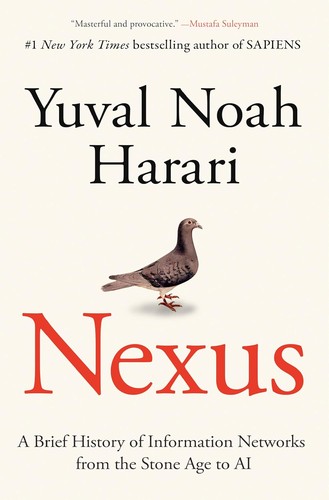
AI as the latest chapter in the history of information networks, from gossip to the printing press to the algorithm.
As an Amazon Associate, Zendoric earns from qualifying purchases; the price does not change for you. · all our recommended books →
🔗 Related on Zendoric
- Musk pledges an all-AI "Odyssey" to rival Nolan — a stunt that exposes what generative video still can't do · 2026-07-24
- The 'easy gold' of AI-made kids' cartoons is a mirage: COPPA and YouTube already charge up to an 80% toll · 2026-07-14
- A school custodian, accused of using AI to create child sexual abuse material from social media photos · 2026-07-23