Musk pits Grok Imagine against Nolan's 'Odyssey': a stunt that mistakes generation for filmmaking
🕒 Published on Zendoric: July 25, 2026 · 00:23
✨ AI-generated · how it's made
Elon Musk says his Grok Imagine model will produce a full-length, 'historically correct' version of Homer's 'Odyssey' before year's end, framed as a shot at Christopher Nolan's $263M hit. It reads less like a film project than a culture-war provocation — and a stress test for how far generative video has actually come.
📚 Go deeper
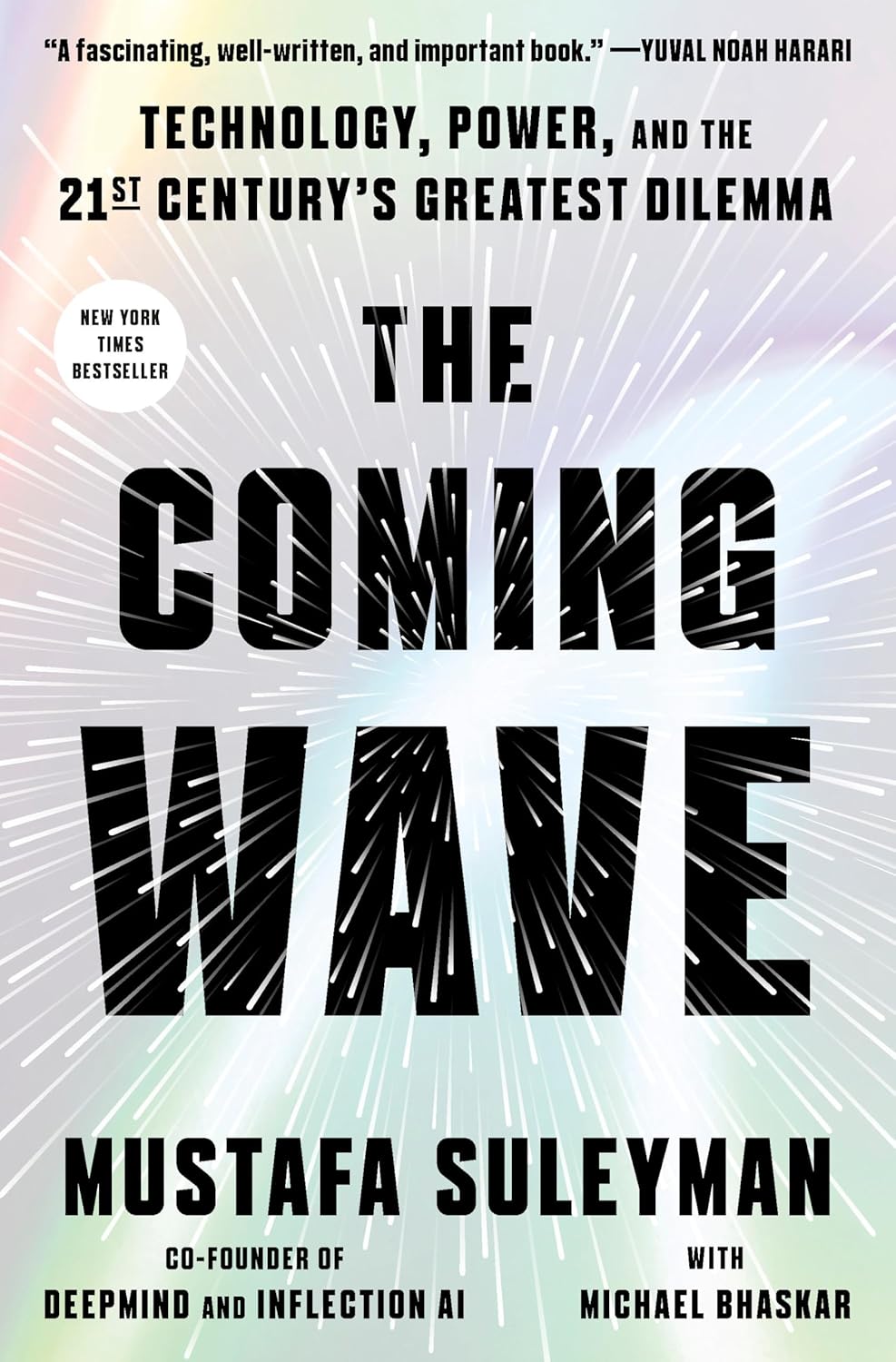
DeepMind co-founder on the dilemma of containing technologies that do not want to be contained.
As an Amazon Associate, Zendoric earns from qualifying purchases; the price does not change for you. · all our recommended books →
The facts first. According to FayerWayer, Elon Musk attacked Christopher Nolan's newly released 'The Odyssey' — an IMAX-scale epic that took more than $263 million worldwide in its first seven days — and pledged that his AI model, Grok Imagine, would deliver a full-length, 'historically correct' adaptation of Homer before the end of the year. He posted the announcement on X alongside computer-generated concept footage. The outlet also reports that Musk's criticism centered on Nolan's casting of Lupita Nyong'o and Elliot Page, and that he amplified comments described as racist and transphobic. We attribute those characterizations to the report; the substance of the announcement is a technology claim, and that is what deserves scrutiny.
Start with the internal contradiction. A 'historically correct' Odyssey is a category error: the poem is myth, not chronicle — gods intervene, monsters populate the sea, the whole point is fantasy. FayerWayer notes classicists flagged exactly this. When the pitch cannot keep its own premise straight, it signals that the goal is engagement, not adaptation.
The technical claim is the one worth weighing on its merits. Generating a coherent feature — hours of consistent characters, continuity, performance, editing, sound, a story that holds — is a different order of problem than producing striking clips. Today's text-to-video systems are genuinely impressive at seconds-long shots and still wobble on character consistency, physical coherence and long-form narrative. A concept reel is not a movie. Until there is a finished, watchable film, the honest label for 'a full-length Odyssey by December' is aspiration, not demonstrated capability — the exact line our editorial stance insists on holding.
The framing as a 'war on Hollywood' is also worth puncturing. The article's own numbers undercut it: despite a campaign to dent the film's box office, audiences turned out in force and the theatrical experience held. That tells you the near-term threat to studios is overstated, and that generative tools are, for now, a complement — cheaper previs, VFX, indie experimentation — not a replacement for a Nolan production. The disruption is real but gradual, and it accrues first to the unglamorous, high-cost middle of production, not to the marquee auteur.
Our reading. There are two announcements tangled together here, and they should be judged separately. One is a real and largely positive long-run trend: generative video is collapsing the cost of moving images, and within a few years that will let far more people — not just those with studio budgets — tell stories. That is the abundance case, and it is worth being optimistic about. The other is this specific stunt, which weaponizes a genuine technology to relitigate a casting fight and score points against a rival's success. Those are not the same thing, and conflating them is how hype launders itself as inevitability. The useful discipline is simple: judge the tool by shipped, watchable work, not by a post and a concept reel. When Grok Imagine's Odyssey exists and holds together for two hours, that is news. Until then, it is a promise — and promises are cheap, even when the underlying technology is not.
📚 Go deeper
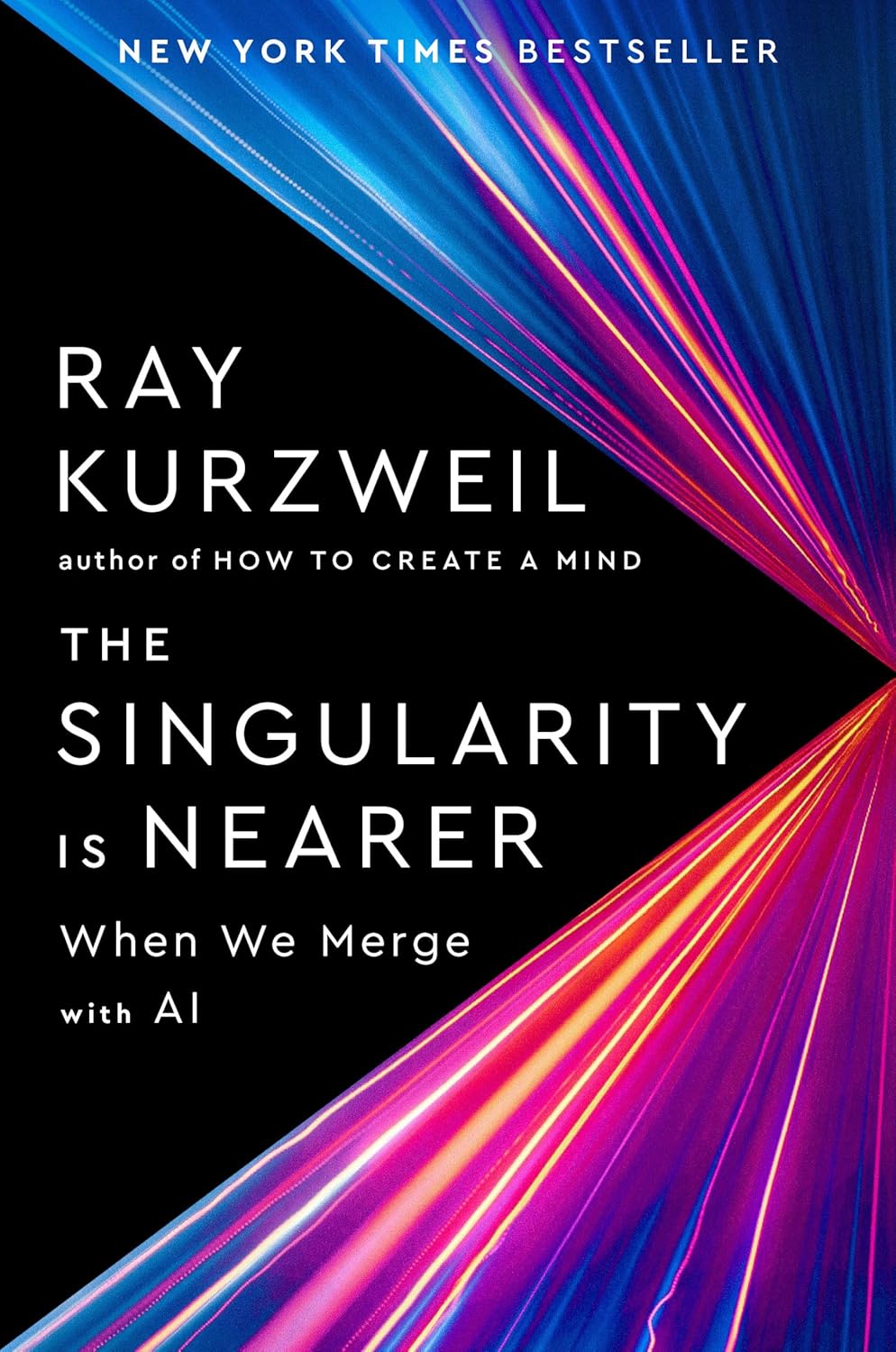
Twenty years after "The Singularity Is Near", Kurzweil revisits his predictions and keeps the date: human-AI merger around 2045.
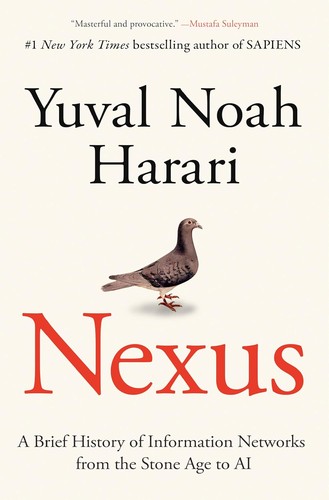
AI as the latest chapter in the history of information networks, from gossip to the printing press to the algorithm.
As an Amazon Associate, Zendoric earns from qualifying purchases; the price does not change for you. · all our recommended books →
🔗 Related on Zendoric
- Musk pledges an all-AI "Odyssey" to rival Nolan — a stunt that exposes what generative video still can't do · 2026-07-24
- Chris Best (Substack) on 'AI slop,' its detection and what still counts as thinking · 2026-07-23
- A Canadian MP unknowingly reads a chatbot's instructions on the floor: the symptom of AI used in secret · 2026-07-25