OpenAI ramps up its infrastructure spending to $750 billion through 2030

🕒 Published on Zendoric: July 24, 2026 · 00:29
✨ AI-generated · how it's made
OpenAI announced on Wednesday that it will invest $750 billion in infrastructure through 2030, 25% more than it had estimated earlier this year, as reported by The Wall Street Journal.
📚 Go deeper
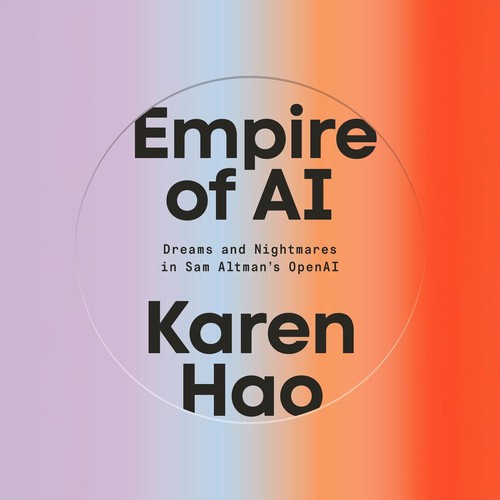
The definitive piece of investigative journalism on OpenAI: 260+ interviews, the clash between safety and speed, and the attempted firing of Sam Altma
As an Amazon Associate, Zendoric earns from qualifying purchases; the price does not change for you. · all our recommended books →
OpenAI announced on Wednesday that it will invest $750 billion in infrastructure through 2030, 25% more than it had estimated earlier this year, according to The Wall Street Journal. The news comes just as its Stargate data center project appears to have stalled, suggesting that the company is redirecting its expansion strategy toward new fronts rather than accelerating those already announced.
The first concrete step in this new wave of spending is Project Camellia, a $20 billion data center campus in Georgia, in the United States. It will span 1,400 acres northwest of Savannah and will consume at least 3.2 gigawatts of power supplied by the regional utility Georgia Power. That generation capacity will become available between 2028 and 2032, according to the timelines provided. OpenAI has stated that it will bear the full cost of the infrastructure and the associated electricity service.
The deal comes in a specific regulatory context: the Georgia Public Service Commission (PSC) approved a rule last year that prevents utilities from passing on to other consumers the costs stemming from new customers that consume more than 100 megawatts —precisely the kind of consumption profile that a project like this represents. In exchange for the demand it will generate, Georgia Power has indicated that OpenAI will reduce its electricity consumption by up to 1 gigawatt during peak grid demand, a flexibility measure intended not to compromise the stability of supply. In addition, OpenAI will receive a 50% property tax exemption for 15 years from Effingham County, as reported by the local outlet Effingham Herald.
One unresolved point is exactly where the energy to power Camellia will come from: neither OpenAI nor Georgia Power has specified the project's energy source, and both companies did not respond to questions posed by TechCrunch on the matter. However, Georgia Power's own regulatory filings before the PSC offer relevant clues. In December, the utility obtained approval to produce an additional 9,885 megawatts, all of which it expects to have contracted by the end of 2026; the deal with OpenAI would represent roughly a third of that total.
According to those same filings, most of that new capacity will come from natural gas: Georgia Power will build or buy from third parties some 5.8 gigawatts of gas generation, a quarter of which will correspond to simple-cycle turbines, a more polluting technology than combined-cycle ones. Overall, this new fossil capacity will more than double Georgia Power's current natural gas fleet. The rest of the capacity will be covered by large-scale batteries and solar power. This positions Camellia as another example of the pattern already seen in the AI industry: the surge in demand for compute is directly driving the construction of new fossil-fuel generation, even when combined with renewables and storage.
As for timelines, while Georgia Power's electricity is expected from 2028, OpenAI has not given a specific date for switching on its first GPU at the campus, which could happen before then. One sign in that direction is the recent hiring of Brett Mayo to lead the company's data center construction. Mayo comes from xAI, where he oversaw the Colossus data center in Memphis, known for having been built in record time. However, that same project has generated controversy: according to a lawsuit filed by the NAACP and the Southern Environmental Law Center, Colossus allegedly degraded local air quality, as xAI's center operates with dozens of natural gas turbines without the corresponding permits, claiming an exemption from federal clean air regulations.
Mayo's hiring, combined with Colossus's track record, raises questions about whether OpenAI could replicate in Georgia the same accelerated construction approach that has already generated environmental and legal friction in Memphis, especially in a project that, according to the available data, will rely heavily on natural gas generation.
📚 Go deeper

The story of NVIDIA and Jensen Huang: how a video-game card company ended up making the most coveted resource on the planet.
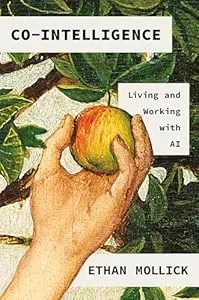
The best starting book if you're not technical: a Wharton professor explains how to work WITH AI — when to delegate, when to supervise, when to keep i
As an Amazon Associate, Zendoric earns from qualifying purchases; the price does not change for you. · all our recommended books →
🔗 Related on Zendoric
- SoftBank bets its future on superintelligence: Son turns record profits into ammunition to dominate the AI era · 2026-06-25
- If AI gets more expensive before it gets cheaper: the inflationary dilemma posed by its infrastructure · 2026-06-27
- OpenAI's Billions in Losses Are the Price of Building the Future, Not a Warning Sign · 2026-06-30