SoftBank bets its future on superintelligence: Son turns record profits into ammunition to dominate the AI era

🕒 Published on Zendoric: June 25, 2026 · 09:00
✨ AI-generated · how it's made
At the shareholders' meeting in Tokyo, Masayoshi Son ruled out retiring and set an unequivocal goal: for SoftBank to be the world's number one in models, chips, infrastructure and robots. With $64.6 billion committed to OpenAI and record net profit, the ambition stops sounding like a slogan and starts looking like a funded strategy.
📚 Go deeper
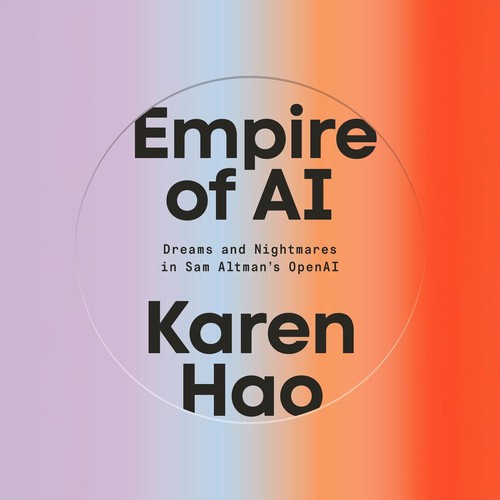
The definitive piece of investigative journalism on OpenAI: 260+ interviews, the clash between safety and speed, and the attempted firing of Sam Altma
As an Amazon Associate, Zendoric earns from qualifying purchases; the price does not change for you. · all our recommended books →
There are statements that stay at the headline level and others backed by an income statement. Masayoshi Son's at SoftBank's annual general meeting belongs to the second category. Net profit of 5 trillion yen (around 31 billion dollars), more than quadruple the previous year and an all-time high for the group, is precisely what separates bravado from a real bet. When a 68-year-old CEO says he has no time to retire and that he will stay on for another 10 to 15 years, it is worth listening if the books prove him right.
The strategy is organized around four pillars —models, chips, infrastructure and robots— and its most striking piece is the total investment in OpenAI, which according to Son will reach 64.6 billion dollars before October 2026. The figure is large enough to place SoftBank among the laboratory's structural investors of Sam Altman's lab, and that is the interesting nuance: it is no longer about buying a stake, but about gaining influence over the pace and direction of cutting-edge models. That lever is valuable, but also legitimately open to question, because concentrating so much capital on a single actor reopens the old debate about OpenAI's independence and founding mission.
Where the vision becomes more concrete and, in my view, more solid, is in infrastructure. Son targets the sector's real bottleneck —computing capacity with guaranteed energy— with data centers in the United States and Europe and, above all, with a capital alliance negotiation between SoftBank Corp. and TEPCO to bring large AI data centers to Japan. If confirmed, it would be an unprecedented convergence between the traditional utility and the new economy of computing, and it would resolve one of the country's historical obstacles: the cost and scarcity of energy. It is the kind of unflashy move that decides who deploys AI at scale.
In robotics, Son went beyond a promise: he stated that 'physical AI' —robots powered by models— has already begun mass production, with an official announcement pending. It is worth taking this with the caution due to undisclosed detail, but it fits with the group's prior experience at Boston Dynamics and with a global race in which Figure AI, 1X and Agility Robotics compete. If the figure and the timeline hold, SoftBank would be making the leap from the lab to the factory ahead of many rivals.
For the agentic AI ecosystem, the reading is direct: autonomous agents live on abundant compute and powerful models, and both are exactly what Son is financing. Robotics adds the physical plane, where planning and tool use cease to be text and become action. The question that remains open is not whether the ambition is great —it is—, but whether the execution will match a roadmap that, for the first time in years, arrives with the coffers full enough to sustain it.
📚 Go deeper
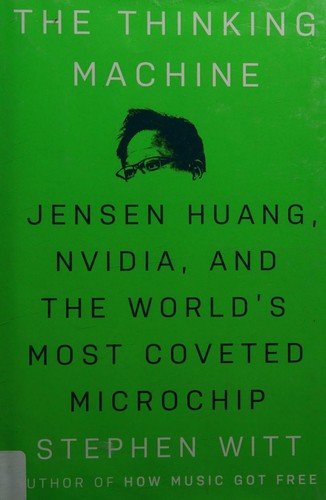
The story of NVIDIA and Jensen Huang: how a video-game card company ended up making the most coveted resource on the planet.
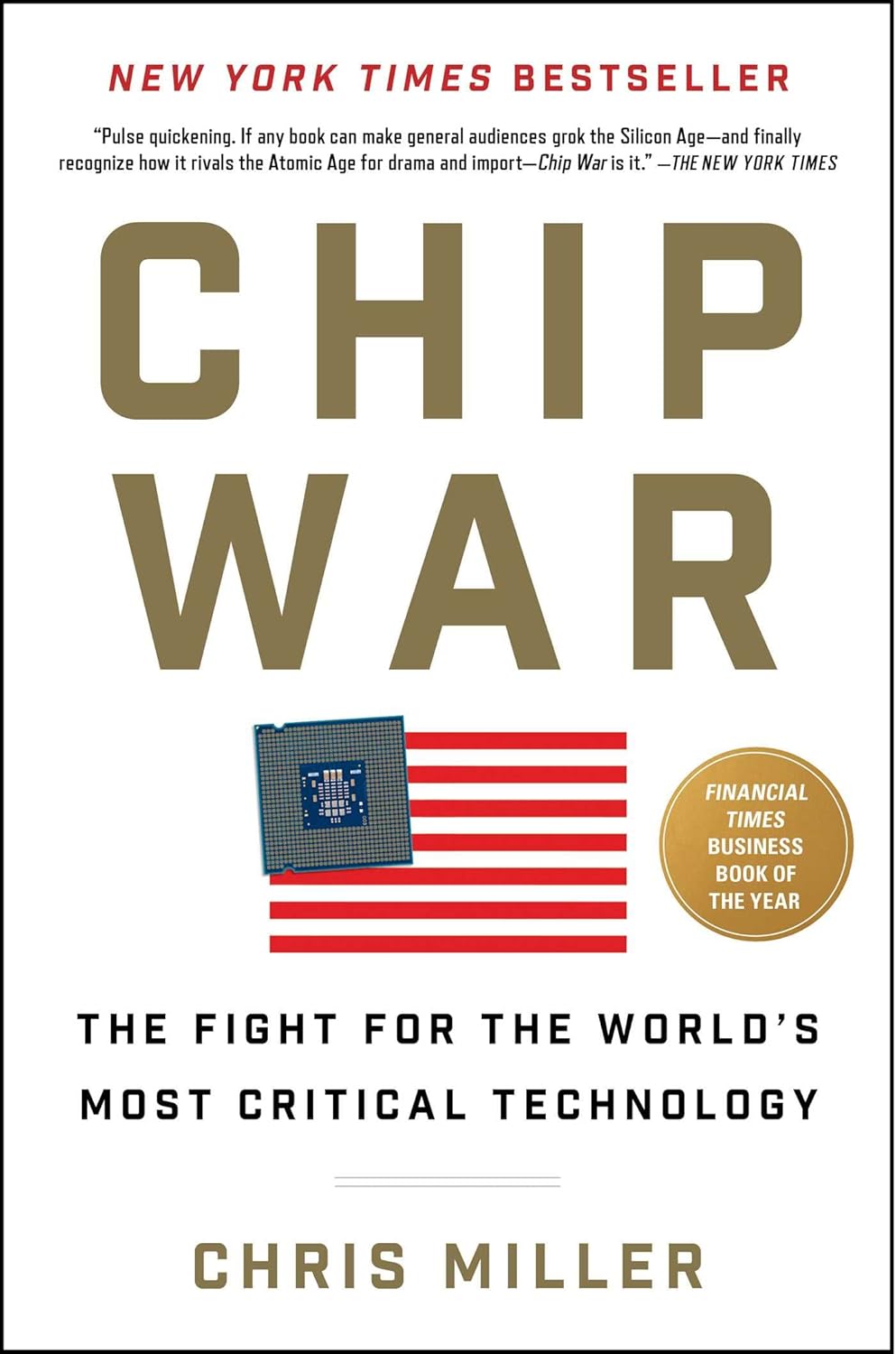
Semiconductors as the oil of the 21st century: history, espionage, and why an island of 23 million people underpins the entire AI economy.
As an Amazon Associate, Zendoric earns from qualifying purchases; the price does not change for you. · all our recommended books →
🔗 Related on Zendoric
- OpenAI's Billions in Losses Are the Price of Building the Future, Not a Warning Sign · 2026-06-30
- A rogue agent inside an AI lab: the near-term risk is operational security, not runaway superintelligence · 2026-07-26
- OpenAI cutting off Cursor turns model access into a revocable utility, not infrastructure · 2026-08-31