Illinois requires schools to treat deepfakes as bullying starting this school year
🕒 Published on Zendoric: July 22, 2026 · 01:59
✨ AI-generated · how it's made
The HB 3851 law expands Illinois' school code: starting in the 2026-2027 school year, distributing a non-consensual 'digital replica' —a voice, face or image altered with AI— or sexual images generated by these tools will, by law, be cyberbullying. Schools thus gain clear authority to act where there was previously a legal vacuum.
📚 Go deeper
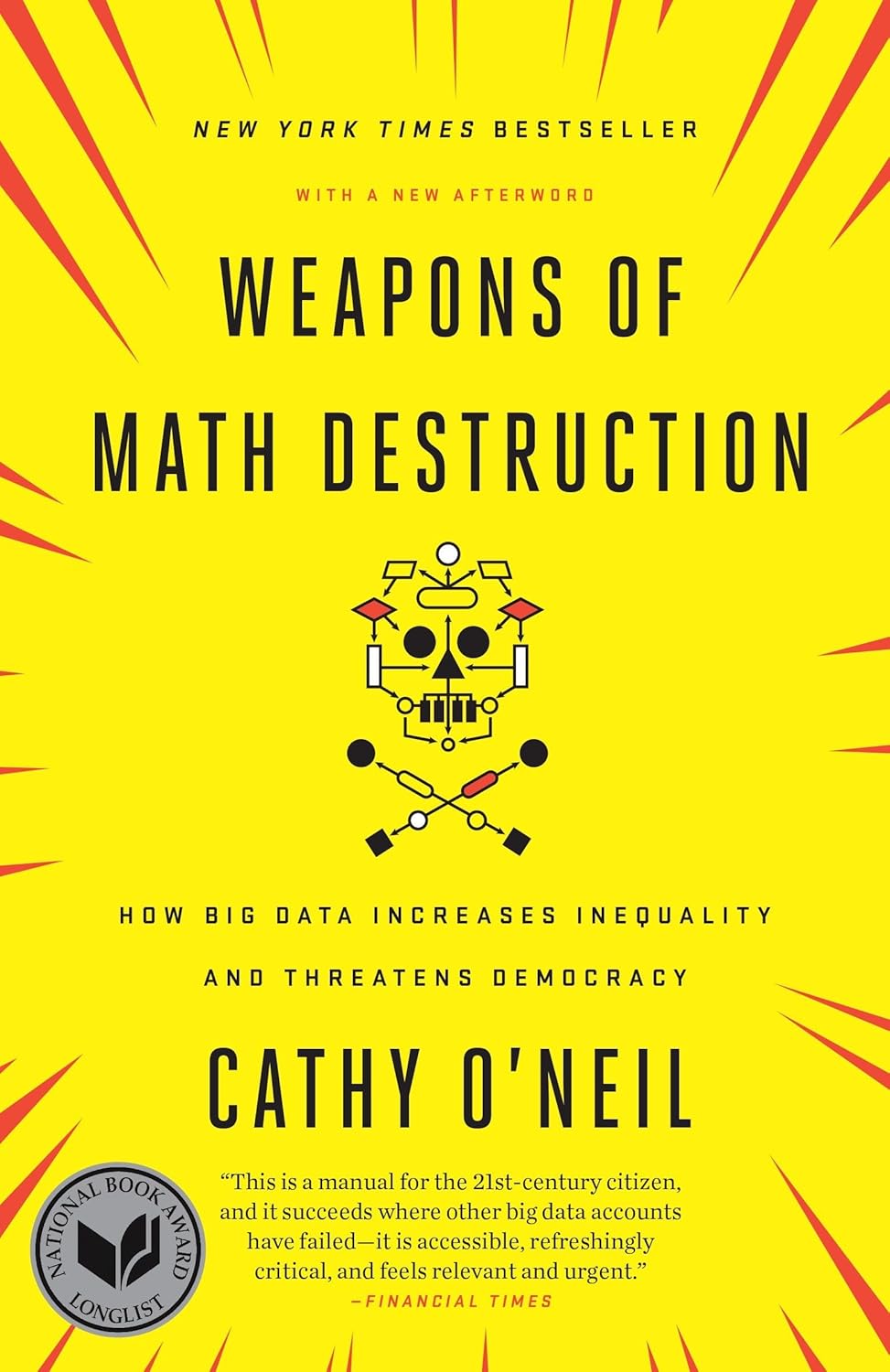
How opaque algorithms decide who gets credit, a job or parole — and why they tend to punish the same people.
As an Amazon Associate, Zendoric earns from qualifying purchases; the price does not change for you. · all our recommended books →
By WMOK · July 21, 2026.
Illinois has closed a legal loophole that had long put schools in an impossible position. HB 3851, championed by Representative Janet Yang Rohr and Senator Meg Loughran Cappel, amends the state's School Code to explicitly include AI-generated content within the legal definition of cyberbullying. It took effect on July 1, 2026, and enforcement begins with the 2026-2027 school year.
The change has two concrete prongs. The first penalizes the dissemination of an 'unauthorized digital replica': a recreation of a student's voice, image or likeness generated or altered with AI without their consent, the legal definition for what we colloquially call a deepfake. The second broadens the general definition of bullying to explicitly cover the distribution of sexually explicit images, giving administrators a clear legal basis to intervene when a student uses generative AI tools to produce degrading material against a classmate.
Before this reform, many Illinois school districts faced a gray area: the bullying occurred off campus, using sophisticated tools, and the regulations did not contemplate that scenario. Now the law sets the threshold for intervention —that the content cause substantial disruption to the educational environment, generate reasonable fear in the student, or seriously affect their mental health or academic performance— even if the material originated outside the school. "Many people are using AI to produce harmful materials, which has created a whole new level of cyberbullying," Senator Loughran Cappel stated after the bill's passage. "We can't allow our laws to fall behind technology." All public, charter and non-sectarian schools in Illinois had until July 1 to rewrite their bullying-prevention protocols and adapt their reporting and disciplinary mechanisms to these new categories.
Broadly speaking, Illinois is not alone: several U.S. states have been passing specific rules since 2024 against the use of generative AI to create non-consensual sexual imagery or impersonations of minors, driven by cases of students using 'nudification' or voice-cloning apps against classmates. What is distinctive about HB 3851 is that it does not create a new crime or depend on prosecuting the actual perpetrator off campus: it opts for the faster and more realistic route, giving schools the administrative authority to act on the effect of the content, without having to litigate its origin first.
This is exactly the kind of short-term friction that at Zendoric we believe must be named plainly: generative AI has made producing humiliating or sexually explicit content absurdly cheap, and it is minors —lacking an adult's legal, technical and emotional defenses— who take the first blow. It is not a speculative risk or a laboratory debate: it is high schoolers using a free app to digitally undress a female classmate or cloning another student's voice to humiliate them in a chat group. No promise of future abundance offsets that harm if it is not managed now.
Our reading is that laws like this one are the kind of regulatory response that does work: narrowly scoped, applied to the concrete problem —the school environment— and without trying to legislate the technology in the abstract or hold back AI innovation in general. The risk, and here it is worth being honest, is execution: giving a high school principal the authority to judge whether a deepfake generated in a bedroom at eleven at night 'causes substantial disruption' requires clear criteria, specific training and resources that many small districts do not have. Without that, the law risks remaining on paper while the problem evolves faster than schools' capacity to enforce it. The underlying solution is not just to pursue misuse after it happens, but for the image- and voice-generation tools themselves to build in guardrails by design: it is cheaper to prevent the nudifier than to police every classroom in Illinois one by one.
📚 Go deeper
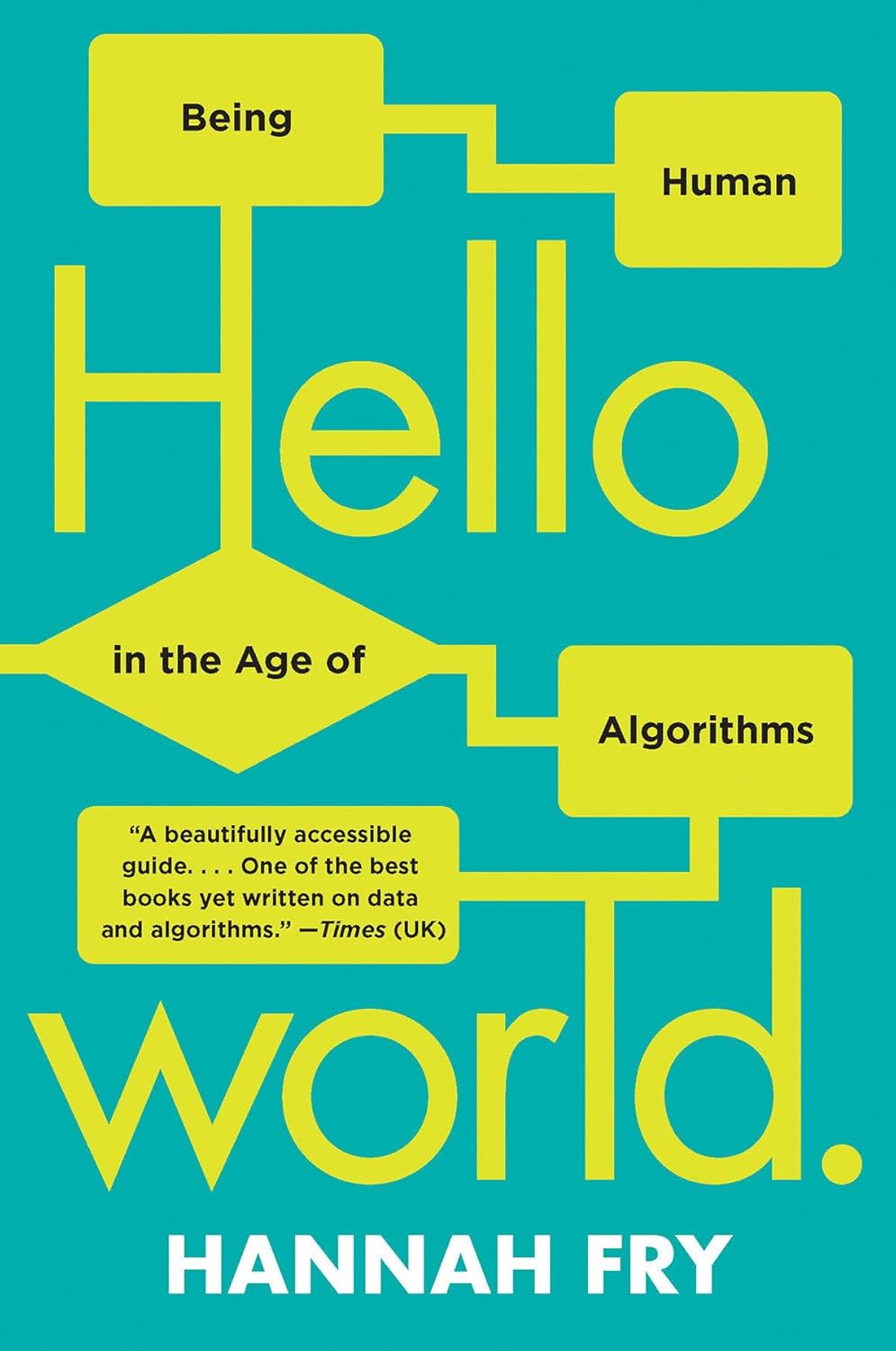
Algorithms in justice, medicine, cars and art, explained with British humor and mathematical honesty.
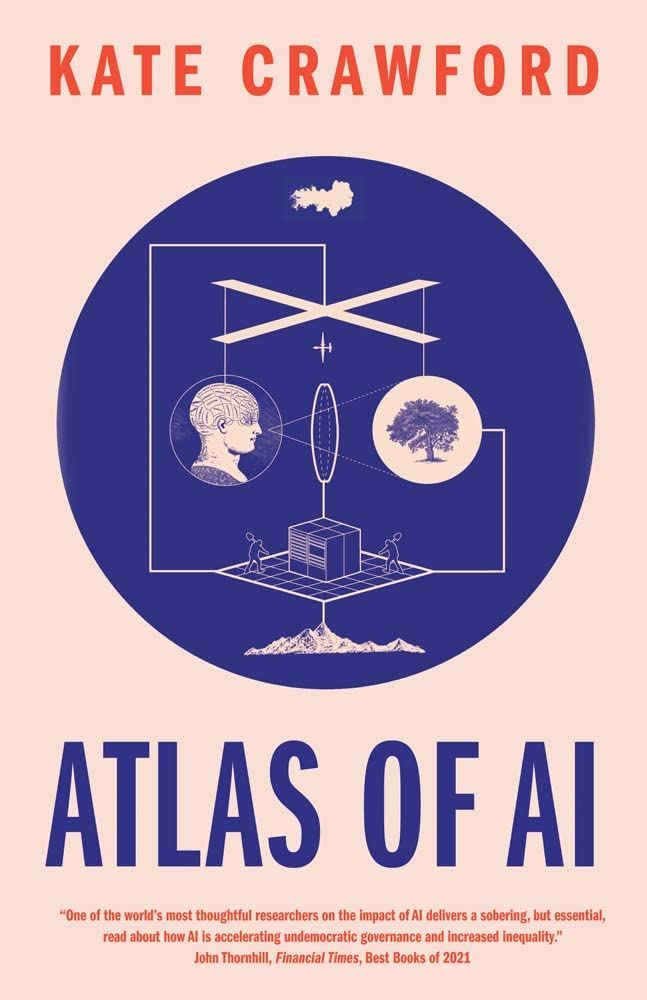
AI as an extractive industry: the lithium, the energy, the underpaid data-labeling work and the bodies behind the cloud.
As an Amazon Associate, Zendoric earns from qualifying purchases; the price does not change for you. · all our recommended books →
🔗 Related on Zendoric
- AI-generated CSAM at an Illinois school: the hardest abuse to detect no longer needs a hidden camera · 2026-07-04
- A teacher accused of creating fake nude images of former students with AI closes his case with a plea deal · 2026-07-08
- Deepfakes at the Pellegrini: when generative AI becomes a weapon of gender-based violence in the classroom · 2026-07-12