Sheinbaum proposes a census to regulate AI and social media around children, but without a roadmap

🕒 Published on Zendoric: July 21, 2026 · 00:20
✨ AI-generated · how it's made
Mexico's president opened the debate on regulating social media and artificial intelligence with a focus on protecting children, and proposed building a prior census. The announcement marks the start of a discussion, not a policy: timelines, responsible parties, and a definition of what would be counted are still missing.
📚 Go deeper

The definitive piece of investigative journalism on OpenAI: 260+ interviews, the clash between safety and speed, and the attempted firing of Sam Altma
As an Amazon Associate, Zendoric earns from qualifying purchases; the price does not change for you. · all our recommended books →
By Zendoric · July 21, 2026. In her morning press conference on July 20, Mexican President Claudia Sheinbaum opened the debate on regulating social media and artificial intelligence in the country, as reported by El Sol de México. The specific point she raised was building a census that would later allow regulation of both AI and digital platforms regarding children.
As far as the available information goes, this is a statement of intent, not a bill or a timeline. It isn't specified exactly what the census would measure (underage social media users? AI companies operating in Mexico? both?), which agency would conduct it, or within what timeframe it would become law. El Sol de México's own report refers back to a previous statement by the president calling for a discussion on AI regulation, suggesting this is a topic Sheinbaum has been reopening in her press conferences without there yet being a formal document or initiative on the table.
In general, protecting children from social media and AI systems is one of the most active regulatory fronts in the world right now: Australia has imposed age restrictions on social media access, the European Union is rolling out its Digital Services Act with reinforced obligations for minors, and several U.S. states have legislated on age verification and addictive platform design. Mexico is arriving late to this conversation and, for now, at the earliest possible stage: that of announcing there will be a debate, not that of defining rules.
That caution isn't necessarily bad news. Legislating on AI and minors out of reaction or media panic tends to produce poorly calibrated rules —a minimum age impossible to verify without intrusive surveillance, or definitions of "artificial intelligence" so broad they regulate any kind of software. A prior census, if it genuinely helps understand which platforms and specific uses affect Mexican children before the law is written, is a methodologically reasonable step. The risk is that it stays at the level of political gesture: announcing a debate costs little and commits to nothing, and Mexico already has a pattern of morning press conferences where topics are opened but never translate into concrete initiatives in Congress.
Our take is that this announcement should be judged by what comes next, not by itself. Concern for children facing screens and algorithms is legitimate and widely shared —that same day, the SEP (Ministry of Public Education) was promoting traditional games to keep children and teenagers away from devices, a sign that this unease runs across the Mexican government. But protecting the most vulnerable during the transition to a society with more AI isn't incompatible with the underlying thesis we hold at Zendoric: that in the long run these technologies can free up time and resources for people. On the contrary, well-designed regulation, based on evidence rather than fear, is precisely what makes that transition sustainable. What Mexico needs now isn't more announcements of debate, but for that debate to conclude in a law with clear definitions, deadlines, and an authority responsible for enforcing it.
📚 Go deeper

AI as the latest chapter in the history of information networks, from gossip to the printing press to the algorithm.
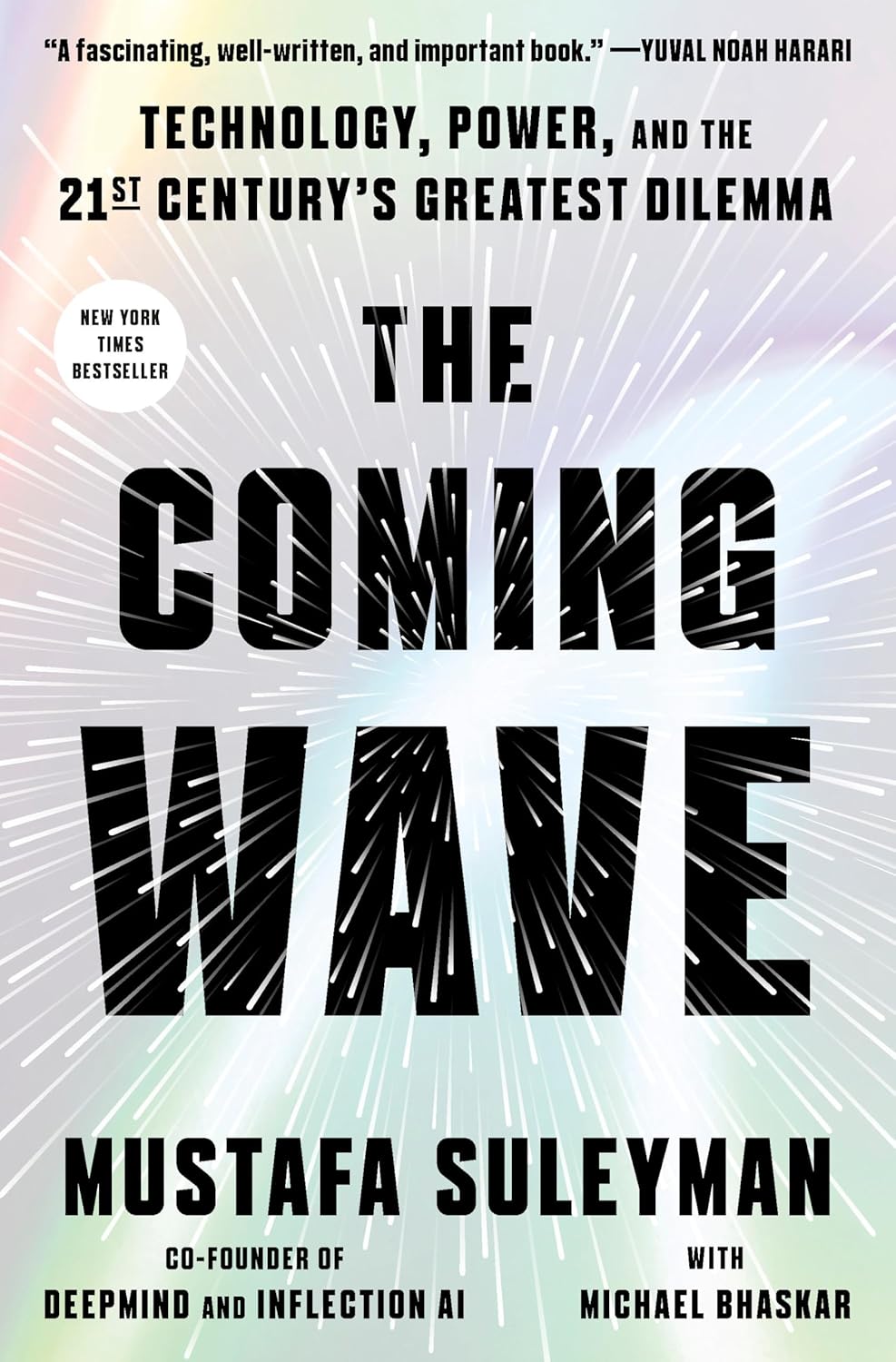
DeepMind co-founder on the dilemma of containing technologies that do not want to be contained.
As an Amazon Associate, Zendoric earns from qualifying purchases; the price does not change for you. · all our recommended books →
🔗 Related on Zendoric
- Rock Hill takes on AI, social media and enrollment in one package: school governance gets professional · 2026-06-24
- Rock Hill puts its house in order before the school year: why revising AI policy is now a matter of school governance · 2026-06-24
- Argentina proposes "automated companies" managed by AI, but unable to do without humans · 2026-07-07