Rock Hill puts its house in order before the school year: why revising AI policy is now a matter of school governance
🕒 Published on Zendoric: June 24, 2026 · 09:00
✨ AI-generated · how it's made
A South Carolina school district is set to revise its rules on artificial intelligence, enrollment and social media all at once. A seemingly minor move that reflects a deeper transition: AI in the classroom has stopped being a debate and become a matter of institutional policy.
📚 Go deeper
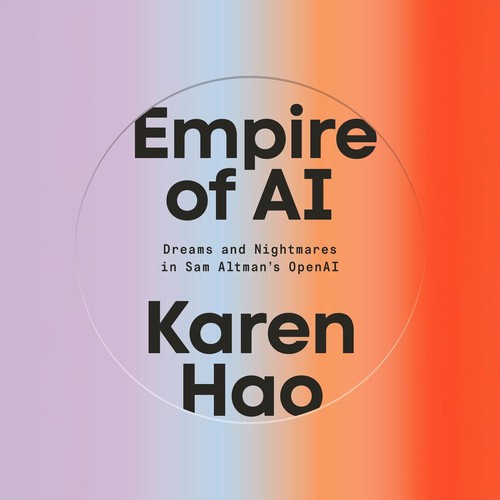
The definitive piece of investigative journalism on OpenAI: 260+ interviews, the clash between safety and speed, and the attempted firing of Sam Altma
As an Amazon Associate, Zendoric earns from qualifying purchases; the price does not change for you. · all our recommended books →
Sometimes what is significant lies not in the detail, but in the very fact that something happens. The school board of the Rock Hill district (South Carolina) plans to review three policy areas: the use of artificial intelligence, enrollment procedures and access to social media in the educational setting. So reports the local channel WCNC, which warns that it did not have the full content of the article; therefore, the specific proposals, the voting dates and the scope of the changes are not known. It is worth making this clear from the outset so as not to attribute to the district decisions it has not yet made public.
With that caution stated, the move fits a clear trend in U.S. districts. The spread of tools such as ChatGPT among students has handed school boards a question that no longer allows for delay: which uses are legitimate, how to distinguish assistance from plagiarism and what consequences to apply. The absence of clear rules is not neutral; it generates confusion among teachers and families, and leaves the boundary between support and academic dishonesty to the improvised judgment of each classroom.
The sector's responses have been varied, and that is where the case's interest lies. Some districts have blocked access to generative tools on their networks; others have integrated them in a controlled way as a teaching resource. That Rock Hill chooses to formalize its position through an explicit review—and, as the calendar suggests, before the next school year—points to a more mature stance than reactive prohibition or laissez-faire: setting a framework in advance rather than legislating in the wake of the first conflict.
The simultaneous inclusion of social media adds a second layer. In several states, restrictions on minors' use of social media have been passed or debated, and the school is usually the first place where those rules are applied, as it is where minors spend much of the day. Addressing AI, enrollment and social media in a single package suggests that the district understands these issues as pieces of the same digital governance, not as isolated matters.
The underlying reading goes beyond Rock Hill. What a few months ago was discussed as a cultural phenomenon—the irruption of generative AI in education—is becoming an ordinary matter of regulation. That transition, from the headline to institutional policy, is precisely the sign that a technology is beginning to integrate in a stable way. To learn the specific detail of the measures, one will have to turn to the original source; but the direction, taking the regulatory initiative before the problem forces it, is in itself good news.
📚 Go deeper

AI as the latest chapter in the history of information networks, from gossip to the printing press to the algorithm.
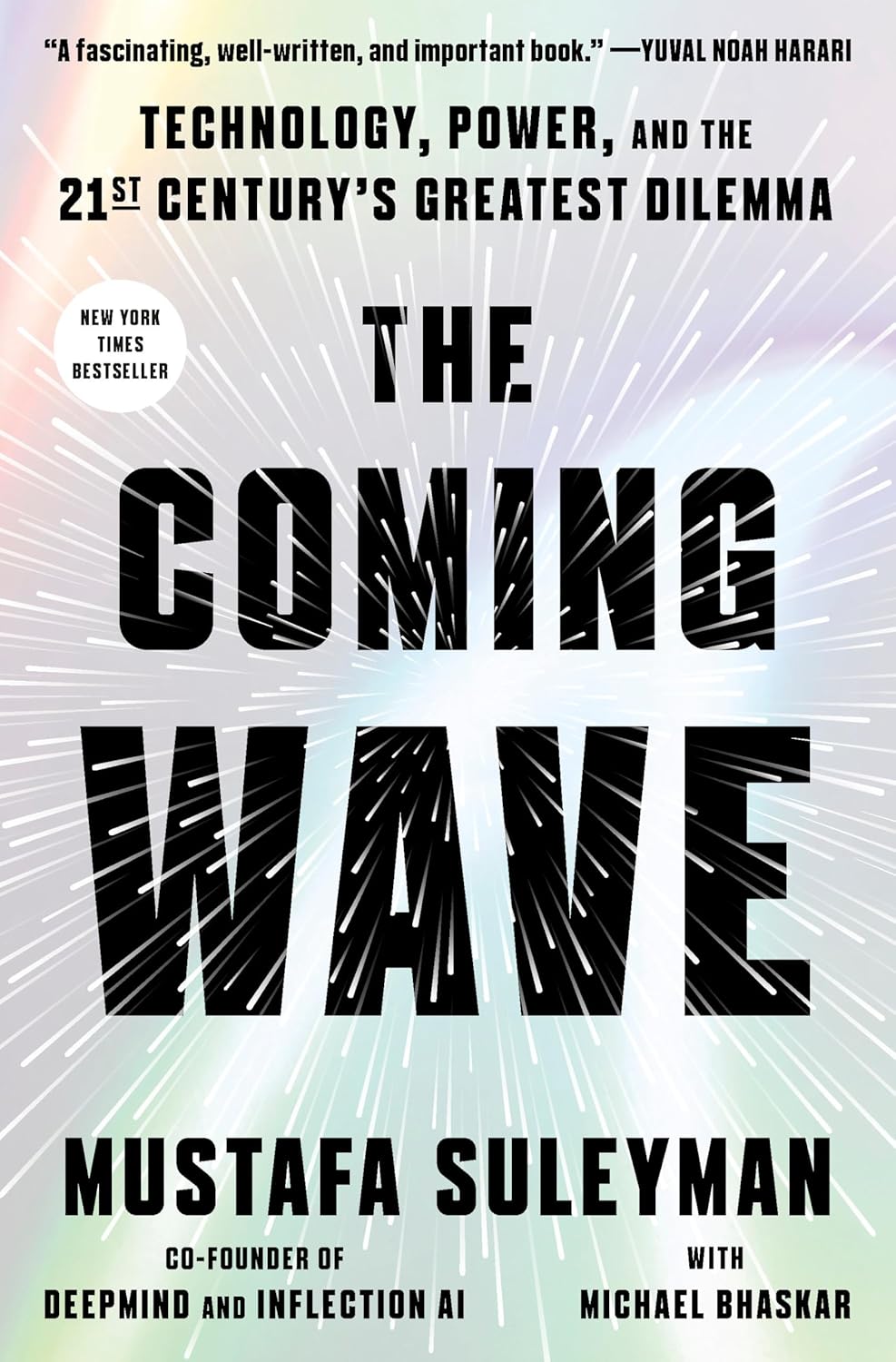
DeepMind co-founder on the dilemma of containing technologies that do not want to be contained.
As an Amazon Associate, Zendoric earns from qualifying purchases; the price does not change for you. · all our recommended books →
🔗 Related on Zendoric
- Rock Hill takes on AI, social media and enrollment in one package: school governance gets professional · 2026-06-24
- NYC starts the school year with no AI rules: the largest city in the US tests how to tame artificial intelligence in the classroom · 2026-09-02
- Sheinbaum proposes a census to regulate AI and social media around children, but without a roadmap · 2026-07-21