Moonshot prepares Kimi K3, an open model of up to 3 trillion parameters, to match Anthropic's Opus 4.8

🕒 Published on Zendoric: July 18, 2026 · 01:58
✨ AI-generated · how it's made
Chinese lab Moonshot AI is preparing to launch Kimi K3, the next entry in its Kimi series, which according to sources cited by the Financial Times would perform on par with or even above Anthropic's Opus 4.8.
📚 Go deeper
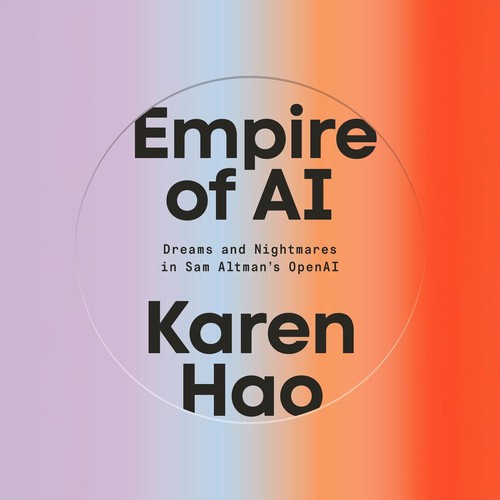
The definitive piece of investigative journalism on OpenAI: 260+ interviews, the clash between safety and speed, and the attempted firing of Sam Altma
As an Amazon Associate, Zendoric earns from qualifying purchases; the price does not change for you. · all our recommended books →
Chinese lab Moonshot AI is preparing to launch Kimi K3, the next entry in its Kimi series, which according to sources cited by the Financial Times would perform on par with or even above Anthropic's Opus 4.8. That detail is no small matter: the Kimi K2 family had already earned a strong reputation in the open-source arena, with high benchmark scores and capabilities that came fairly close to closed frontier models. Kimi K3 aims to go a step further and narrow that gap even more against the proprietary products of OpenAI and Anthropic.
What is striking about K3 is not only its expected performance, but its scale: it is described as the largest open-weights model ever released by a Chinese lab, with a parameter count somewhere between 2 and 3 trillion. According to reports, its launch would be imminent, a matter of days away. It is a bet on size and openness as a competitive lever, at a moment when the conversation about the value of paying for costly closed models like those from OpenAI or Anthropic is back on the table.
Alongside the launch, Moonshot is reportedly closing a funding round that would value the company at 31.5 billion dollars. That figure contrasts with the 20 billion valuation it secured in May, when it raised 2 billion dollars, giving a sense of the speed at which the market is revaluing China's open-AI labs in just a few months.
The backdrop to this news connects with a broader debate within the industry: some executives are beginning to question whether it is worth continuing to pay for closed models from giants like OpenAI or Anthropic, partly out of fear that those labs could somehow take advantage of the data their customers send when using products like ChatGPT or Claude. In response, some voices in the sector are recommending or promoting their own alternatives, or else suggesting outright opting for cheaper open-source models —such as those from DeepSeek, Z.ai or Moonshot itself— and training them to measure for specific needs.
Taken together, the piece portrays a front of pressure opening up for Anthropic not only from OpenAI, but also from the ecosystem of Chinese open models, which combines competitive performance, growing size and a data-sovereignty argument that resonates especially with companies wary of depending on closed providers.
📚 Go deeper
China vs.

Semiconductors as the oil of the 21st century: history, espionage, and why an island of 23 million people underpins the entire AI economy.
As an Amazon Associate, Zendoric earns from qualifying purchases; the price does not change for you. · all our recommended books →
🔗 Related on Zendoric
- Anthropic points the finger at Alibaba: the AI frontier is starting to defend itself with lawyers, not just code · 2026-06-25
- The deal Anthropic is negotiating with Washington reopens an uncomfortable question: how do you control the export of something that travels in a file · 2026-06-27
- Anthropic closes the loopholes Chinese companies used to access Claude, according to the FT · 2026-07-07