Anthropic closes the loopholes Chinese companies used to access Claude, according to the FT

🕒 Published on Zendoric: July 7, 2026 · 03:25
✨ AI-generated · how it's made
The article, republished by Investing.com based on a Financial Times investigation, reports that Anthropic has stepped up its efforts to block unauthorized access to its artificial intelligence services from China, after identifying methods that Chinese companies used to circumvent its…
📚 Go deeper
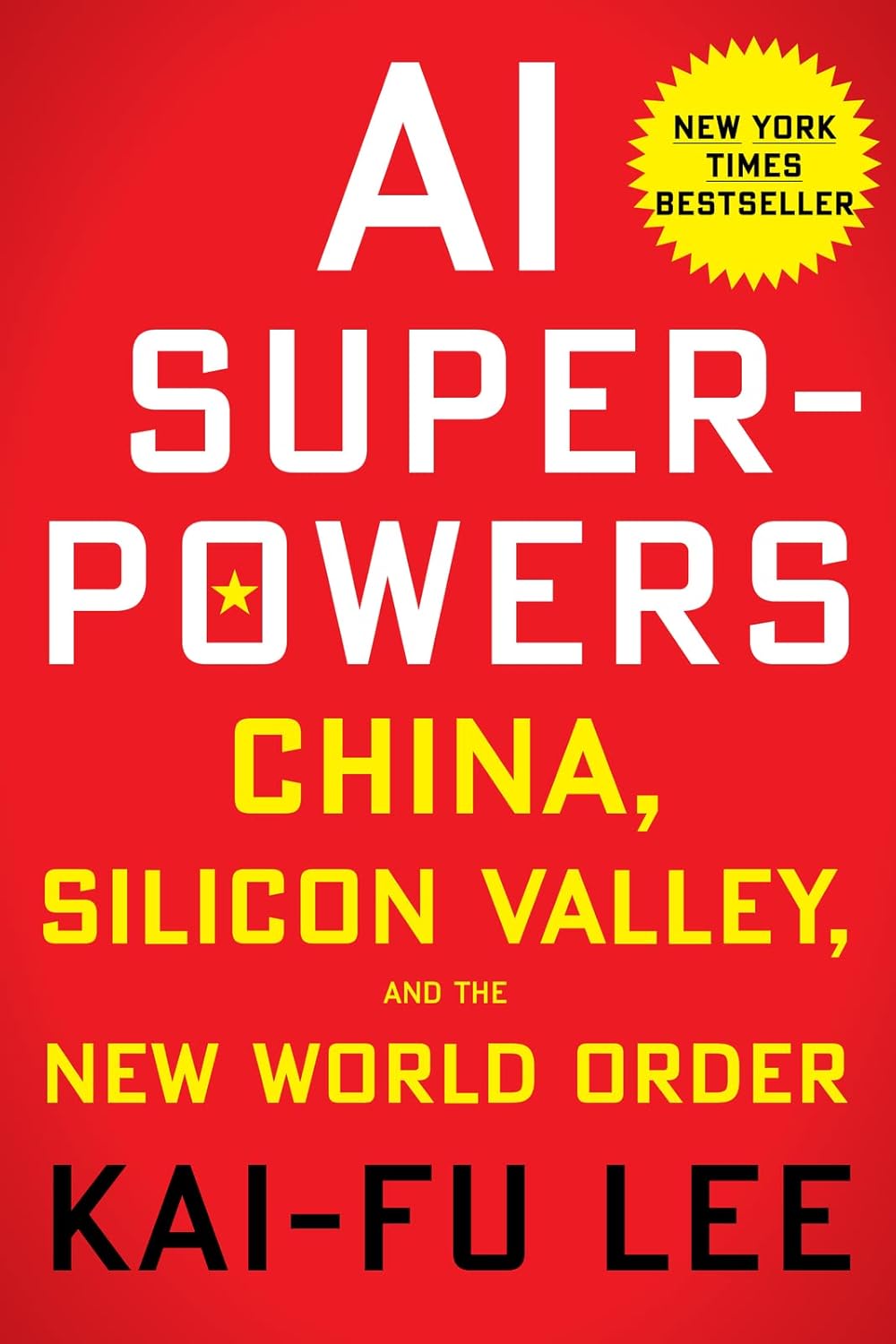
China vs.
As an Amazon Associate, Zendoric earns from qualifying purchases; the price does not change for you. · all our recommended books →
The article, republished by Investing.com based on a Financial Times investigation, reports that Anthropic has intensified its efforts to block unauthorized access to its artificial intelligence services from China, after identifying methods that Chinese companies were using to circumvent its restrictions.
According to the report, citing sources close to the matter, companies such as Ant Financial reportedly accessed Claude's tools through overseas subsidiaries, cloud providers and other alternative mechanisms. Specifically, it notes that Ant provided its employees with corporate Claude accounts linked to a Singapore-based entity, while ByteDance reportedly reimbursed its engineers for personal Claude subscriptions that they accessed via virtual private networks (VPNs).
An important nuance the article captures is that these practices would not violate either U.S. or Chinese law, but they would breach Anthropic's terms of service, which expressly prohibit Chinese companies and foreign entities under their control from using its AI models. This places the matter in the realm of contracts and corporate use policies, rather than in the legal or regulatory sphere.
According to the FT, Anthropic has strengthened its ability to detect and shut down this type of access, including monitoring indicators such as the time zone of users' computers, and specifically targeting "transfer station" services that relay requests through Claude accounts registered abroad. The newspaper also mentions that some companies reportedly accessed Claude through foreign subsidiaries using cloud infrastructure, including Microsoft's Azure platform.
From the perspective of agentic AI and model governance, this news illustrates a growing tension in the industry: the geographic and technology-export restrictions that U.S. AI companies impose on their most advanced models clash with the global demand for these tools, generating gray markets for access. Claude's case is not isolated; it reflects a broader pattern in which corporate actors seek indirect routes —subsidiaries in third countries, reimbursement of personal subscriptions, VPNs— to get around contractual or geopolitical barriers without necessarily breaking existing legislation.
It is worth noting that the article is brief and informational in nature, based mainly on the Financial Times' original coverage, without delving into concrete figures, financial amounts, or direct official statements from Anthropic, Ant Financial, ByteDance or Microsoft. Nor does it detail the timeframe of these practices or the volume of accounts or users involved, so any reading should be taken as a secondhand journalistic summary, subject to the limitations inherent to this type of report.
For the agentic AI ecosystem, the episode underscores how frontier-model developers —in this case Anthropic— are investing in technical verification mechanisms (such as time-zone analysis or traffic pattern analysis) to enforce their usage policies, in a context where controlling access to advanced models has become a strategic component both for commercial reasons and because of geopolitical considerations related to national security and technological competition between the United States and China.
📚 Go deeper
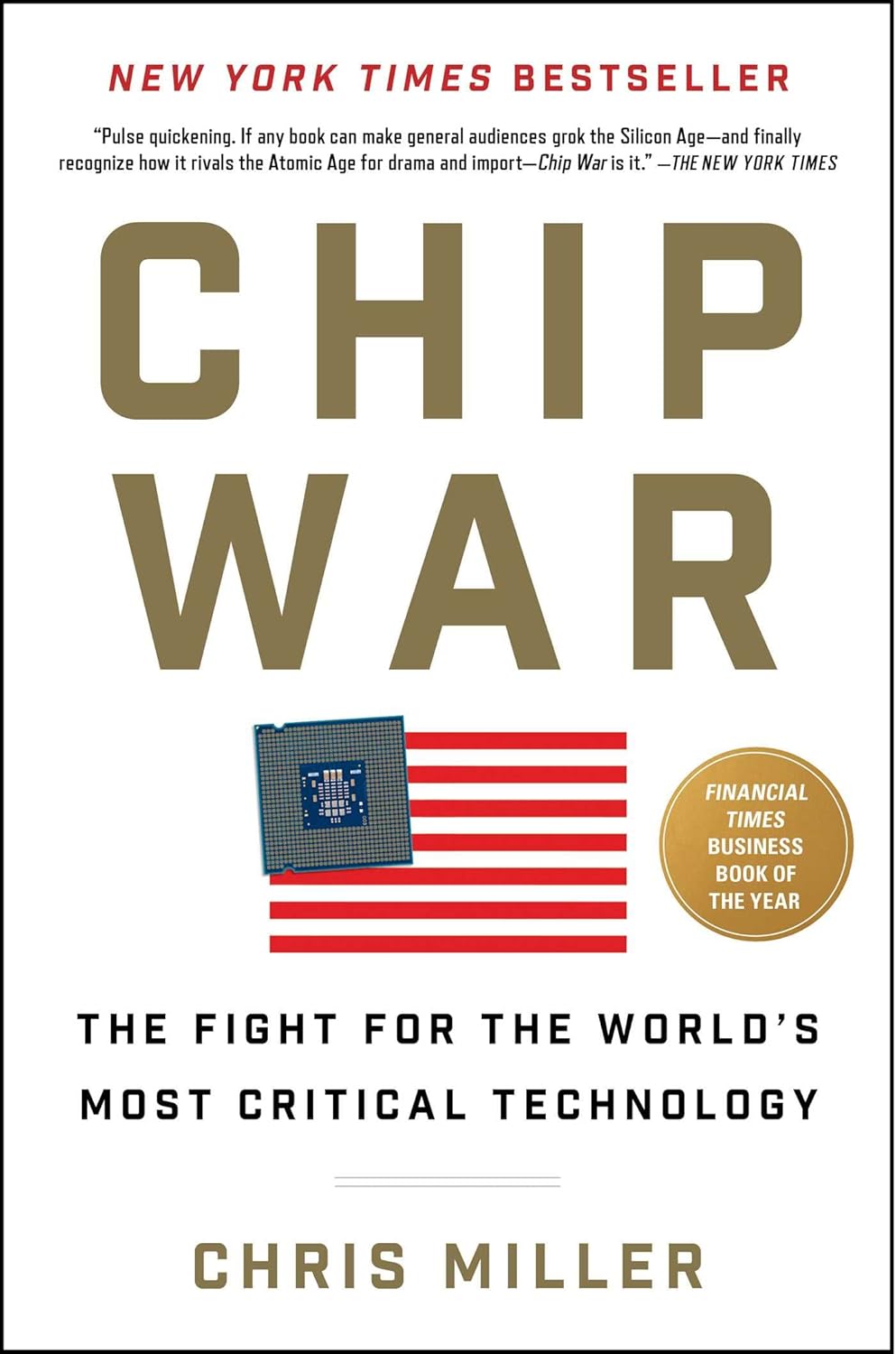
Semiconductors as the oil of the 21st century: history, espionage, and why an island of 23 million people underpins the entire AI economy.
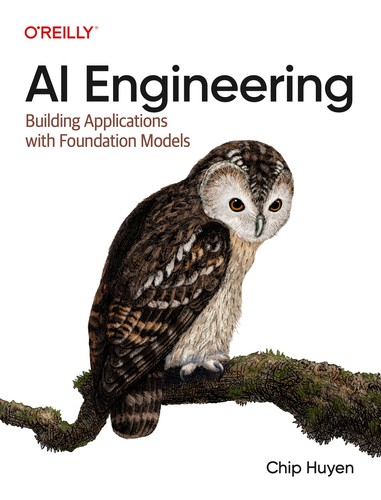
The reference manual for building products on top of AI models: prompts, RAG, fine-tuning, agents, evaluation and deployment.
As an Amazon Associate, Zendoric earns from qualifying purchases; the price does not change for you. · all our recommended books →
🔗 Related on Zendoric
- The U.S. lifts the block on Anthropic's Mythos 5 model and releases it to more than 100 selected institutions · 2026-06-30
- Anthropic restricts China's access to Claude (FT article behind paywall) · 2026-07-04
- How users in China keep evading Anthropic's geographic restrictions to use Claude · 2026-07-04