Gartner: the enterprise AI coding agents market surges, demanding discipline in costs and governance

🕒 Published on Zendoric: July 6, 2026 · 00:04
✨ AI-generated · how it's made
The downloaded content corresponds to a Gartner promotional page about its upcoming "Enterprise AI Coding Agents" Magic Quadrant, accompanied by registration forms for a webinar and site navigation.
📚 Go deeper
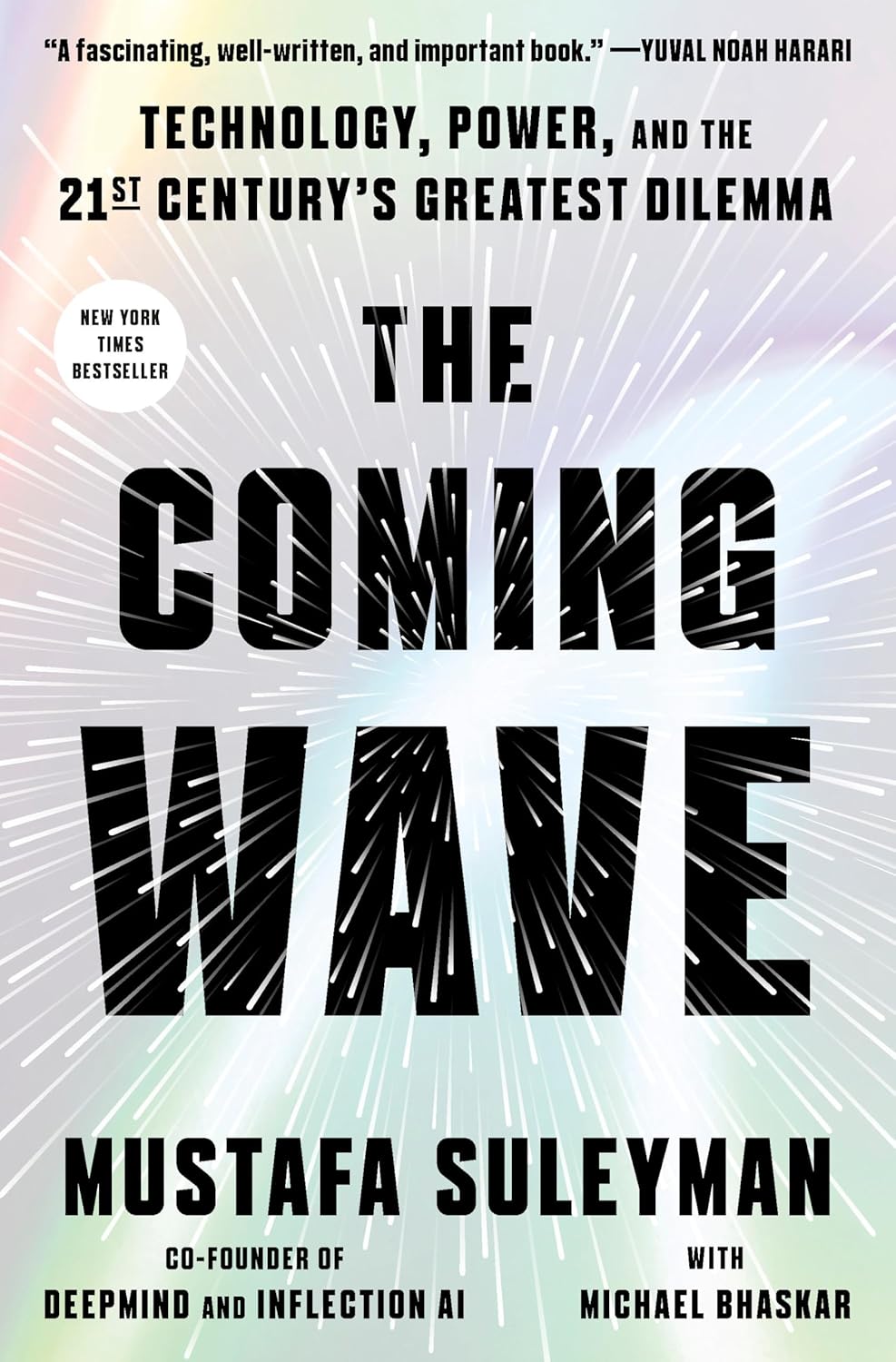
DeepMind co-founder on the dilemma of containing technologies that do not want to be contained.
As an Amazon Associate, Zendoric earns from qualifying purchases; the price does not change for you. · all our recommended books →
The downloaded content corresponds to a Gartner promotional page about its upcoming Magic Quadrant for "Enterprise AI Coding Agents," accompanied by registration forms for a webinar and site navigation. It is not a complete article, but a lead-generation teaser, so the analysis that follows is strictly limited to the fragments of substantive content that do appear in the text.
Gartner places the enterprise AI coding agents market in a phase of accelerated expansion and competitive realignment. What began as AI-assisted code autocompletion has rapidly evolved into agent-based systems capable of orchestrating tasks across the entire software development life cycle. According to the source, the market size is estimated at between $9.8 billion and $11 billion annualized, a figure as of April 2026.
One of the structural shifts highlighted by the text is the transition from seat-based pricing models toward usage-based schemes, driven by the compute-intensive nature of agentic workflows. This is combined with an increasingly broad product category, which includes coding assistants, AI-native IDEs, terminal-based agents, and full agentic platforms, as well as an increase in spending per developer driven by parallel execution and background processing.
The article also describes a tiered market, where a small group of large vendors leads, but a second and third tier of vendors is gaining relevance, especially in enterprise deployments.
A central point of Gartner's analysis is the blurring of boundaries between frontier model providers and application providers. Companies that previously supplied only the underlying models are now launching coding agents with full functionality, competing directly with application-layer vendors. Gartner identifies two emerging approaches: vertically integrated offerings (which combine model and agent to optimize performance and automation) and model-agnostic platforms (which prioritize flexibility, workflow integration, and freedom of model choice). According to the text, this distinction is fading as application providers develop their own models and model providers expand their application experiences. The long-term balance of power, Gartner notes, remains uncertain: if frontier model performance continues to advance rapidly, integrated approaches could prevail; if cheaper models reach a "good enough" level, differentiation could shift toward workflow orchestration and developer experience.
Regarding the nature of development work, the text stresses that coding agents are increasingly defined by their ability to plan, delegate, and execute tasks in parallel, moving from single-threaded assistance to orchestrated, multi-agent workflows. This means that developers now manage concurrency, visibility, and control over agent behavior, with tasks broken down into multiple simultaneous streams and flexible execution environments spanning local sessions and cloud or background execution. The result, according to Gartner, is that these agents are ceasing to be assistive tools and becoming collaborators that carry out significant portions of development work, which introduces new challenges of visibility, control, and governance as these workflows scale.
With respect to value and return on investment, the article cites a concrete Gartner figure: 90% of engineering leaders report productivity improvements, with an average net gain of 19.3%. However, Gartner warns that the economic model becomes more complex for three reasons made explicit in the text: the cost variability introduced by usage-based pricing, the greater consumption generated by parallel and background execution, and a shift in ROI measurement, which moves from asking whether value exists to asking how efficiently that value is realized.
This leads to the central tension Gartner raises for organizations: although productivity gains are increasingly clear and measurable, companies must align tools, workflows, and governance to ensure sustainable returns. The text explicitly warns that organizations that adopt agents without clear operating models run the risk of incurring higher costs without proportionate value.
In summary, although the available content is a promotional fragment and not the full report (which requires being a Gartner client or registering for the webinar), it conveys a message relevant to the newsletter: the enterprise AI coding agents market is growing rapidly and is being reconfigured around model integration, multi-agent orchestration, and consumption-based pricing models. For software engineering leaders, the underlying message is that adopting these agents requires building in discipline around cost control and governance from the outset, given that spending variability and operational complexity can grow faster than the value obtained if not deliberately managed.
📚 Go deeper
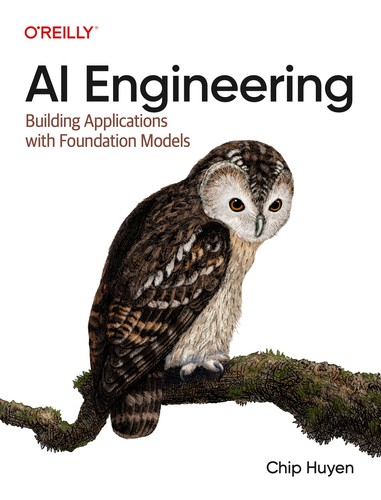
The reference manual for building products on top of AI models: prompts, RAG, fine-tuning, agents, evaluation and deployment.
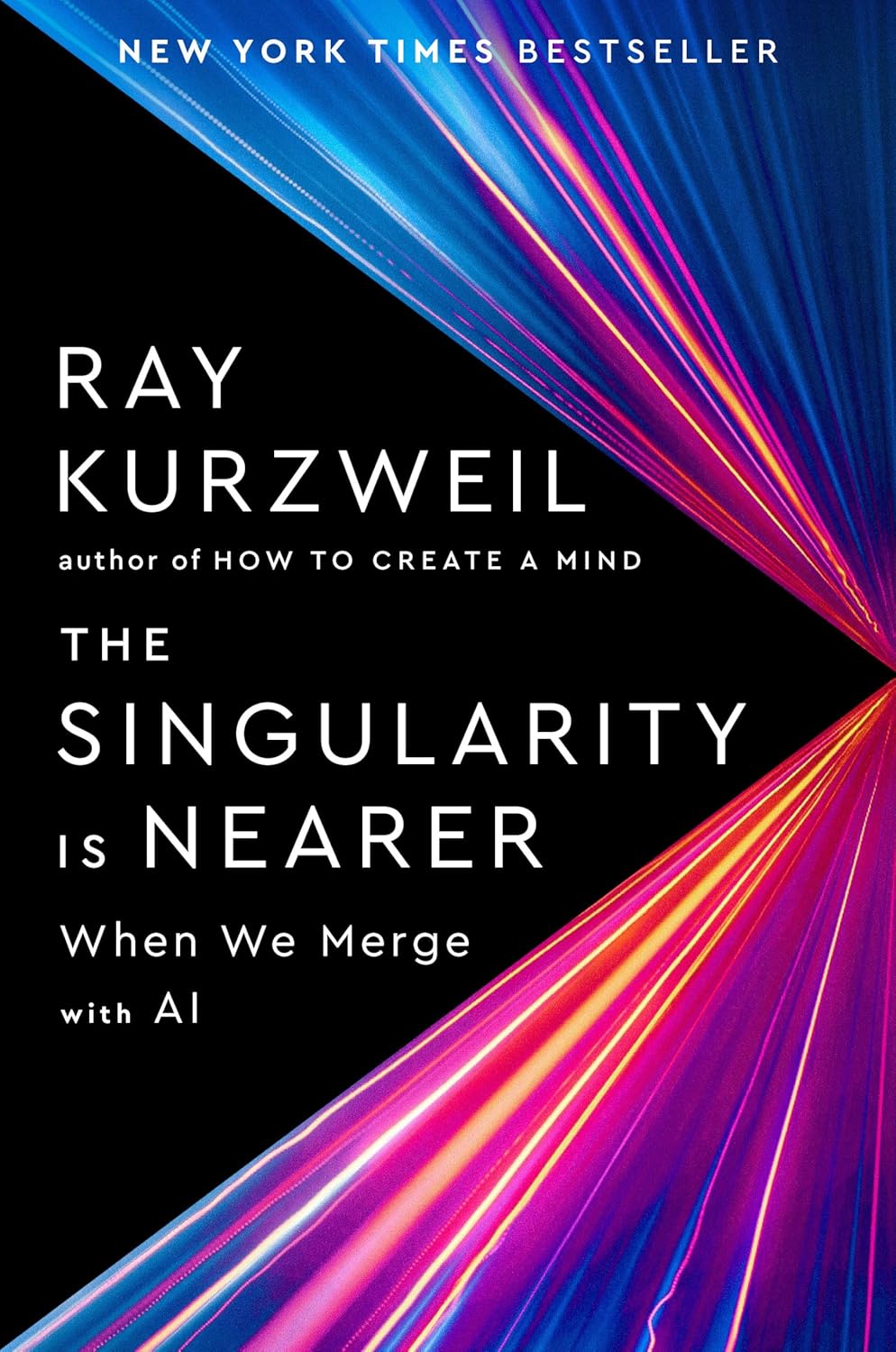
Twenty years after "The Singularity Is Near", Kurzweil revisits his predictions and keeps the date: human-AI merger around 2045.
As an Amazon Associate, Zendoric earns from qualifying purchases; the price does not change for you. · all our recommended books →
🔗 Related on Zendoric
Sources & references
- gartner.com — Gartner: the enterprise AI coding agents market surges, demanding discipline in costs and governance
- gartner.com — Gartner presents a webinar on its 2026 Magic Quadrant for enterprise AI coding agents
- gartner.com — Gartner: data and analytics leaders must gain clarity before scaling AI agents
- gartner.com — Gartner webinar: what CIOs need to know about AI agents (registration, not an article)