Scaling agentic AI: why CIOs can't do it alone, according to Gartner

🕒 Published on Zendoric: July 6, 2026 · 00:04
✨ AI-generated · how it's made
The downloaded content corresponds to the page of a Gartner podcast (ThinkCast), and only includes the show notes, the list of topics covered, and site navigation, not a full transcript of the episode.
📚 Go deeper
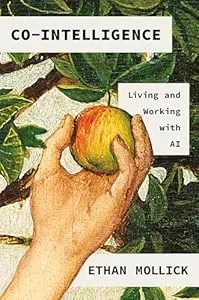
The best starting book if you're not technical: a Wharton professor explains how to work WITH AI — when to delegate, when to supervise, when to keep i
As an Amazon Associate, Zendoric earns from qualifying purchases; the price does not change for you. · all our recommended books →
The downloaded content corresponds to the page of a Gartner podcast (ThinkCast), and only includes the show notes, the index of topics covered and site navigation, not a full transcript of the episode. Therefore, this summary is based solely on the available information (show notes and rundown), without inventing statements or data that do not appear in the material.
The episode, hosted by Karen Lockhart with Gartner VP Analyst Brandon Germer, addresses how agentic AI is transforming the way companies work. The central thesis is clear: the greatest risk for CIOs is not that agentic AI implementation will fail, but rather falling behind by waiting too long before acting.
A key point that is previewed is the shift in mindset that CIOs must adopt, described with the metaphor of moving from being 'arborists' to being 'ecologists.' This suggests a shift from management focused on the individual care of each AI system or initiative, toward a broader vision of managing complex and interdependent ecosystems within the organization.
According to the episode rundown, scaling agentic AI beyond isolated use cases toward systems with enterprise-wide impact necessarily requires a coalition at the senior leadership level (C-suite). Germer argues that the CIO must co-lead this process alongside the CFO, the COO and the CHRO, aligning these roles around shared outcomes. This implies that decisions about agentic AI can no longer be confined to the IT department, but require financial, operational and human resources coordination.
Among the specific topics addressed in the episode (according to the timestamp index) are cost control and the generation of tangible results, risk management, legal liability and the phenomenon of 'shadow AI' (that is, the ungoverned use of AI tools by employees without IT oversight), as well as preparing the workforce for the AI-driven redesign of jobs.
Another central concept that is anticipated is the evolution of the CIO's role: from being a 'technology owner' to becoming an 'orchestrator.' This reflects a broader trend in Gartner's discourse on the CIO function, which is moving from directly managing technology systems to coordinating multiple actors, processes and stakeholders to ensure that agentic AI generates value at enterprise scale.
Regarding AI governance, the episode seems to point out that the responsible scaling of agentic systems demands clear governance frameworks, cost control and legal risk management, a recurring theme in Gartner's publications on enterprise AI. The specific mention of 'shadow AI' indicates that the uncontrolled proliferation of AI agents or tools outside formal IT oversight processes is seen as a relevant risk that organizations must actively address.
It is important to note that the full transcript of the podcast is not available, so it is not possible to detail the specific arguments, examples, figures or cases that Germer may have shared in each of the mentioned segments. The information summarized here is limited to the section titles and the brief introduction published on the episode's page, dated May 14, 2026 within the Gartner ThinkCast series, which already has 98 published episodes.
📚 Go deeper
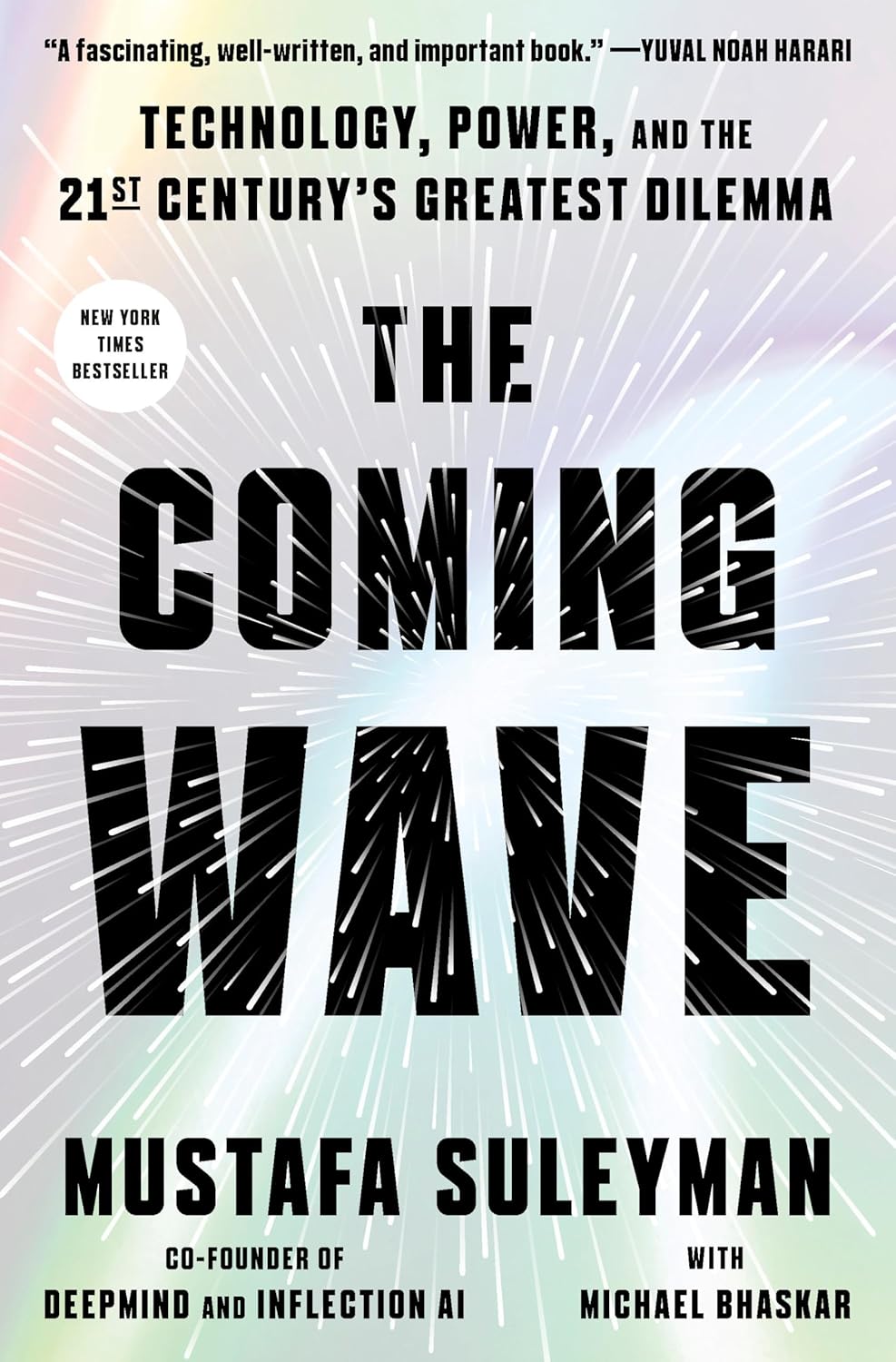
DeepMind co-founder on the dilemma of containing technologies that do not want to be contained.
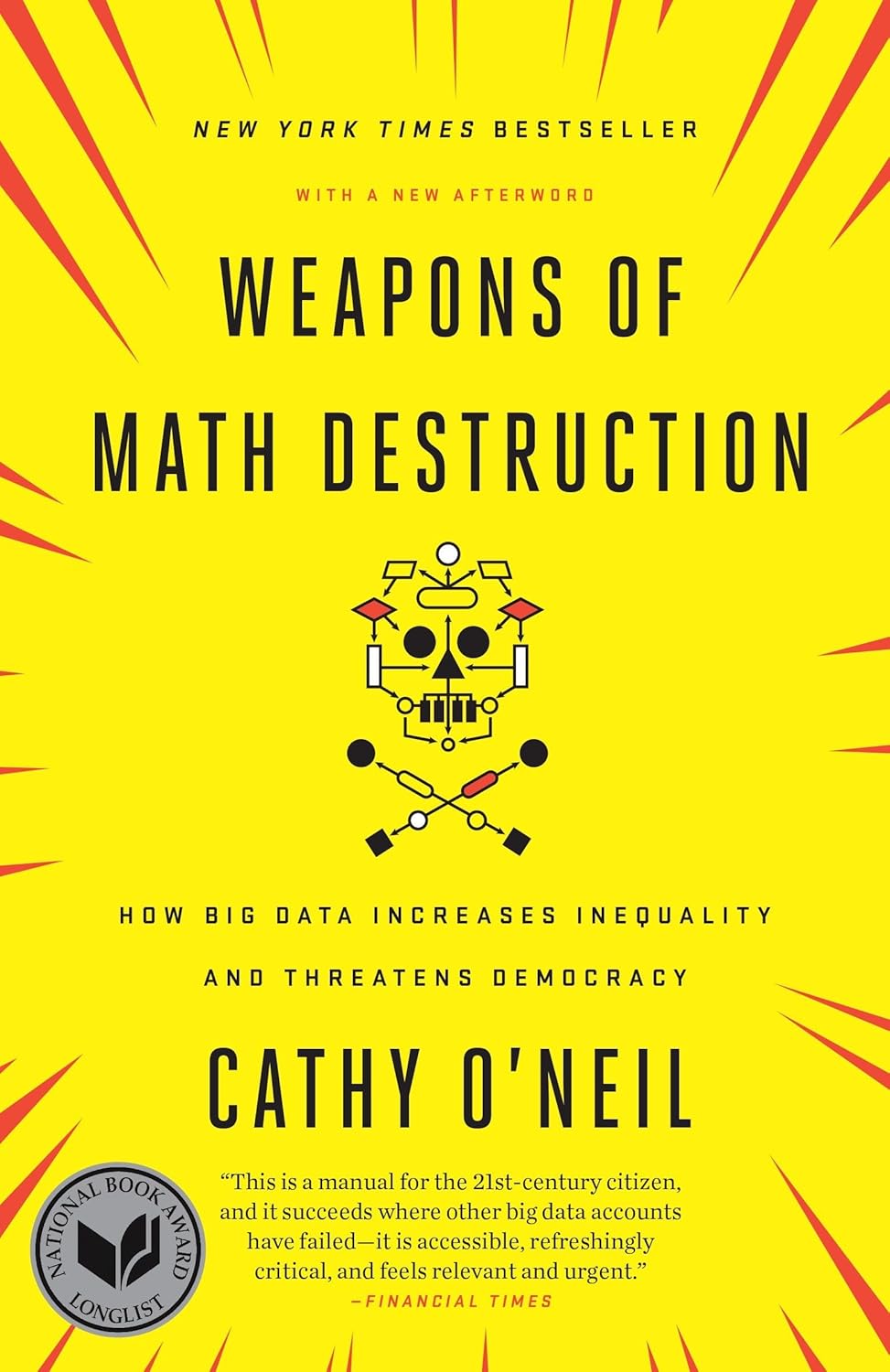
How opaque algorithms decide who gets credit, a job or parole — and why they tend to punish the same people.
As an Amazon Associate, Zendoric earns from qualifying purchases; the price does not change for you. · all our recommended books →
🔗 Related on Zendoric
- Pangram: we are "dangerously close" to the dead internet theory becoming reality · 2026-09-04
- African banking outperforms its global peers in profitability with revenues exceeding $100 billion, according to McKinsey · 2026-06-29
- Gartner: the enterprise AI coding agents market surges, demanding discipline in costs and governance · 2026-07-06