Gartner presents a webinar on its 2026 Magic Quadrant for enterprise AI coding agents

🕒 Published on Zendoric: July 6, 2026 · 00:04
✨ AI-generated · how it's made
The downloaded content corresponds to the registration page for a Gartner webinar (not an analysis article), so this summary is limited to what actually appears on the page, without inventing details about the actual content of the Magic Quadrant, which is a paid report accessible only to clients of…
📚 Go deeper
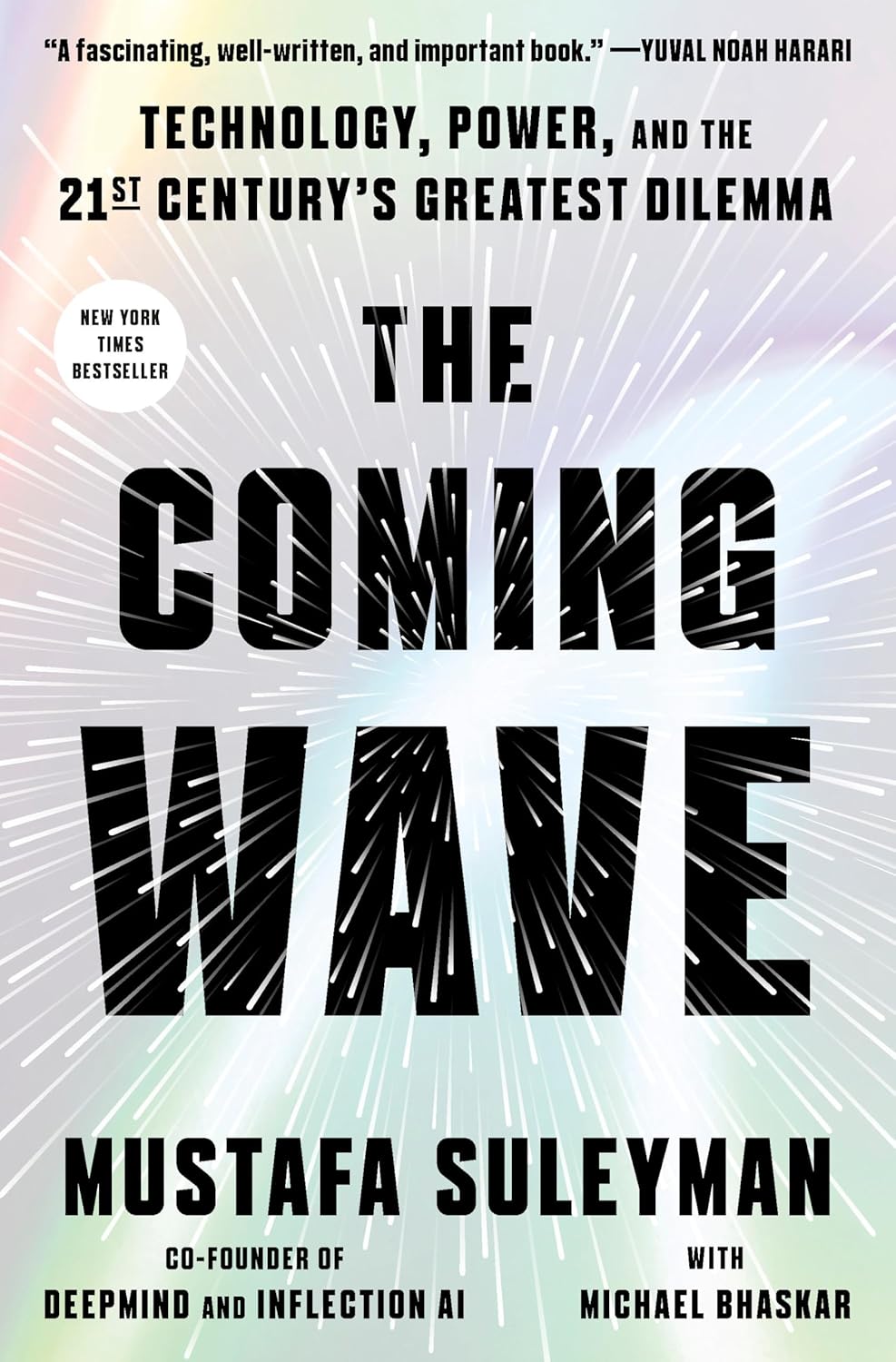
DeepMind co-founder on the dilemma of containing technologies that do not want to be contained.
As an Amazon Associate, Zendoric earns from qualifying purchases; the price does not change for you. · all our recommended books →
The downloaded content corresponds to the registration page for a Gartner webinar (not an analytical article), so this summary is limited to what actually appears on the page, without inventing data about the real content of the Magic Quadrant, which is a paid report accessible only to Gartner clients.
The page announces an on-demand webinar titled "2026 Magic Quadrant for Enterprise AI Coding Agents: A Guided Tour," presented by two Gartner analysts (Philip Walsh, Sr Director Analyst, and Nitish Tyagi, Sr Principal Analyst), running one hour. According to the description, the webinar promises to serve as a guide to interpreting the 2026 Magic Quadrant dedicated to enterprise AI coding agents, as well as the complementary "Critical Capabilities" research.
The promotional text describes the market's evolution: what began as AI-assisted code autocompletion has given way to increasingly autonomous systems capable of planning, executing, and verifying multi-step development tasks across code, tests, and other engineering artifacts. It mentions that the webinar will address how leading vendors differentiate themselves in agentic workflows, platforms, models, governance, and enterprise readiness, as well as the market forces reshaping this space: greater autonomy in workflows, expansion across the entire software development life cycle (SDLC), and the move by frontier model providers into higher layers of the technology stack.
It also announces that emerging pricing and consumption models will be covered, along with their impact on productivity, cost governance, and return on investment (ROI), as well as key considerations for evaluating, adopting, and scaling AI coding agents within enterprise software engineering organizations.
It is important to note that the page does not contain the substantive analysis of the Magic Quadrant itself—that is, it does not reveal which vendors appear, in which quadrant they are placed (leaders, visionaries, challengers, niche players), or specific details of their capabilities. The accessible content is purely promotional and transactional: a registration form to access the recorded webinar, along with the standard Gartner site navigation (menus, links to other webinars, conferences, and corporate sections).
For those following the AI-assisted development tools industry, the relevant point is the very existence of this report: it confirms that Gartner has institutionalized a specific market category—"Enterprise AI Coding Agents"—separate from simpler code assistants, recognizing the transition toward agents with greater autonomy capable of operating across the entire SDLC. This validates the trend observed in the ecosystem: competition among model providers, development platforms, and specialized tools is intensifying around the agentic automation of software engineering tasks.
However, any conclusion about specific competitive positioning, the names of winning or losing vendors, or market figures would require access to the full Gartner report, which is protected behind a subscription wall for clients.
📚 Go deeper
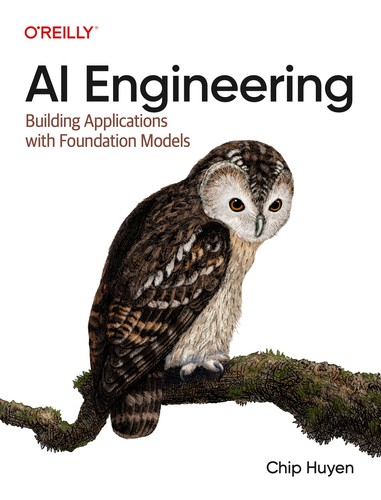
The reference manual for building products on top of AI models: prompts, RAG, fine-tuning, agents, evaluation and deployment.
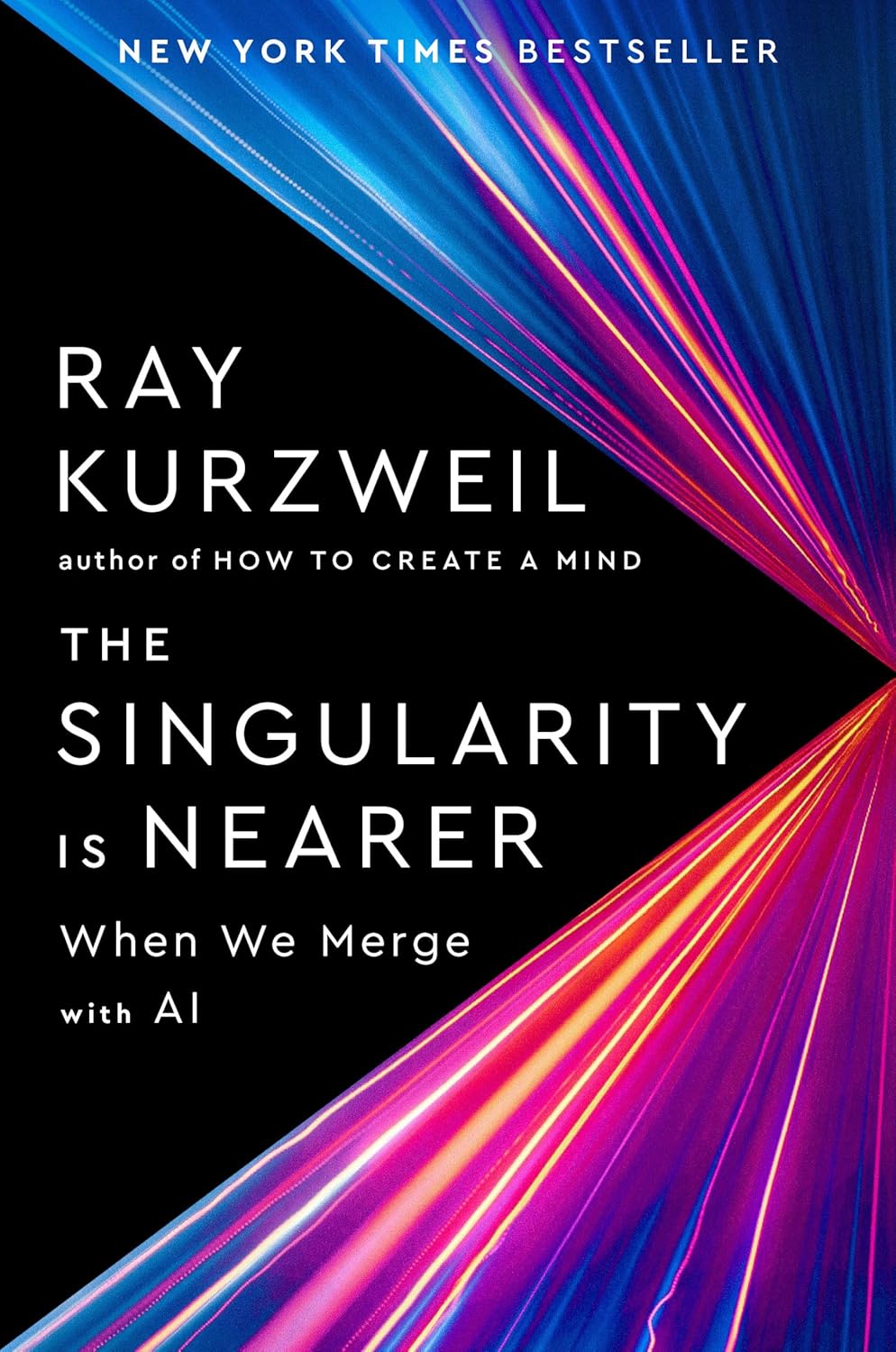
Twenty years after "The Singularity Is Near", Kurzweil revisits his predictions and keeps the date: human-AI merger around 2045.
As an Amazon Associate, Zendoric earns from qualifying purchases; the price does not change for you. · all our recommended books →
🔗 Related on Zendoric
- Gartner: the enterprise AI coding agents market surges, demanding discipline in costs and governance · 2026-07-06
- Armed robots: Washington opens the door to autonomous weapons powered by Silicon Valley · 2026-07-21
- AI revenues are growing fast, but not fast enough to justify trillion-dollar spending · 2026-07-30
Sources & references
- gartner.com — Gartner presents a webinar on its 2026 Magic Quadrant for enterprise AI coding agents
- gartner.com — Gartner: the enterprise AI coding agents market surges, demanding discipline in costs and governance
- gartner.com — Gartner webinar: what CIOs need to know about AI agents (registration, not an article)
- gartner.com — Gartner: data and analytics leaders must gain clarity before scaling AI agents