ESET joins the agentic AI standards foundation: the war is now over the rules, not just the model

🕒 Published on Zendoric: July 4, 2026 · 00:29
✨ AI-generated · how it's made
ESET joins as a Silver member of the Agentic AI Foundation, under the Linux Foundation, alongside OpenAI, Anthropic, Amazon and Microsoft, to set interoperability and security protocols for AI agents. It's a discreet but telling move about where the sector's competition is really heading.
📚 Go deeper
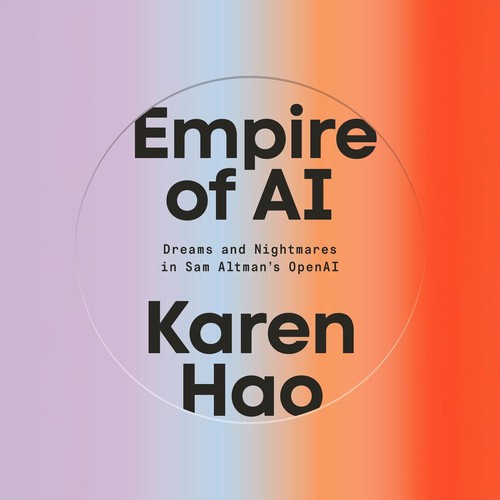
The definitive piece of investigative journalism on OpenAI: 260+ interviews, the clash between safety and speed, and the attempted firing of Sam Altma
As an Amazon Associate, Zendoric earns from qualifying purchases; the price does not change for you. · all our recommended books →
By ESET · July 3, 2026. The Slovak cybersecurity firm has announced it is joining the Agentic AI Foundation (AAIF) as a Silver member, an organization operating under the neutral umbrella of the Linux Foundation that already brings together names like OpenAI, Anthropic, Amazon and Microsoft. The stated goal: to build open protocols, cross-compatibility and "production-ready" standards that allow AI agents from different vendors to interoperate securely. ESET contributes its threat research expertise; its VP of AI, Juraj Janošík, frames it as continuity of a security-by-design philosophy the company says it has applied for decades.
The relevant point isn't so much who's joining—standards foundations constantly accumulate members—but the timing. Agentic AI is moving out of the demo phase into real deployments, and that forces a resolution of a rather unglamorous but critical problem: what happens when an OpenAI agent needs to talk to an Anthropic one, or when a company wants to audit what an agent orchestrating payments, emails or internal system access is actually doing. Without common protocols, every integration becomes a custom engineering project, and without shared security standards, every agentic deployment is a new attack surface, potentially invisible to the rest of the ecosystem.
This connects directly to something we've been pointing out at Zendoric since we analyzed the apparent "alliance" among Big Tech versus frontier labs: competition is shifting from who has the most capable model to who controls the plumbing—integration standards, distribution, interoperability. That a cybersecurity company like ESET is joining this table, rather than a generative AI lab, is proof that the problem is no longer just "what can a model reason about," but "how do you govern an army of autonomous agents acting in production." Janošík's phrase—"agentic AI is becoming a new digital perimeter"—captures the shift well: from data security to the security of autonomous behaviors.
That this is happening under the Linux Foundation, a neutral governance model proven across dozens of internet and critical infrastructure standards, is structurally good news. Open standards tend to benefit more players than proprietary lock-ins, and in an ecosystem where OpenAI, Anthropic, Amazon and Microsoft compete fiercely with each other, bringing them to the same governance table reduces the risk of fragmentation—the scenario in which each major provider builds its own walled garden of mutually incompatible agents, raising adoption costs and multiplying security blind spots.
That said, the announcement shouldn't be overstated: Silver membership in a standards foundation is a low-cost, high-visibility reputational commitment, not a guarantee that the resulting protocols will be robust or adopted in time. The history of tech consortia is full of well-intentioned standards that arrived too late or coexisted with dominant proprietary implementations. Our reading is that this kind of move matters less as an announcement and more as a thermometer: when cybersecurity specialists start sitting alongside the big labs to write the interoperability rules for agents, it's a sign that the industry rightly assumes agentic AI without shared governance is a systemic risk, not just a product risk. It's exactly the kind of boring but necessary infrastructure that, if done right, allows the promise of agentic AI—reliably automating complex tasks—to translate into real abundance rather than a new generation of security breaches at scale.
📚 Go deeper
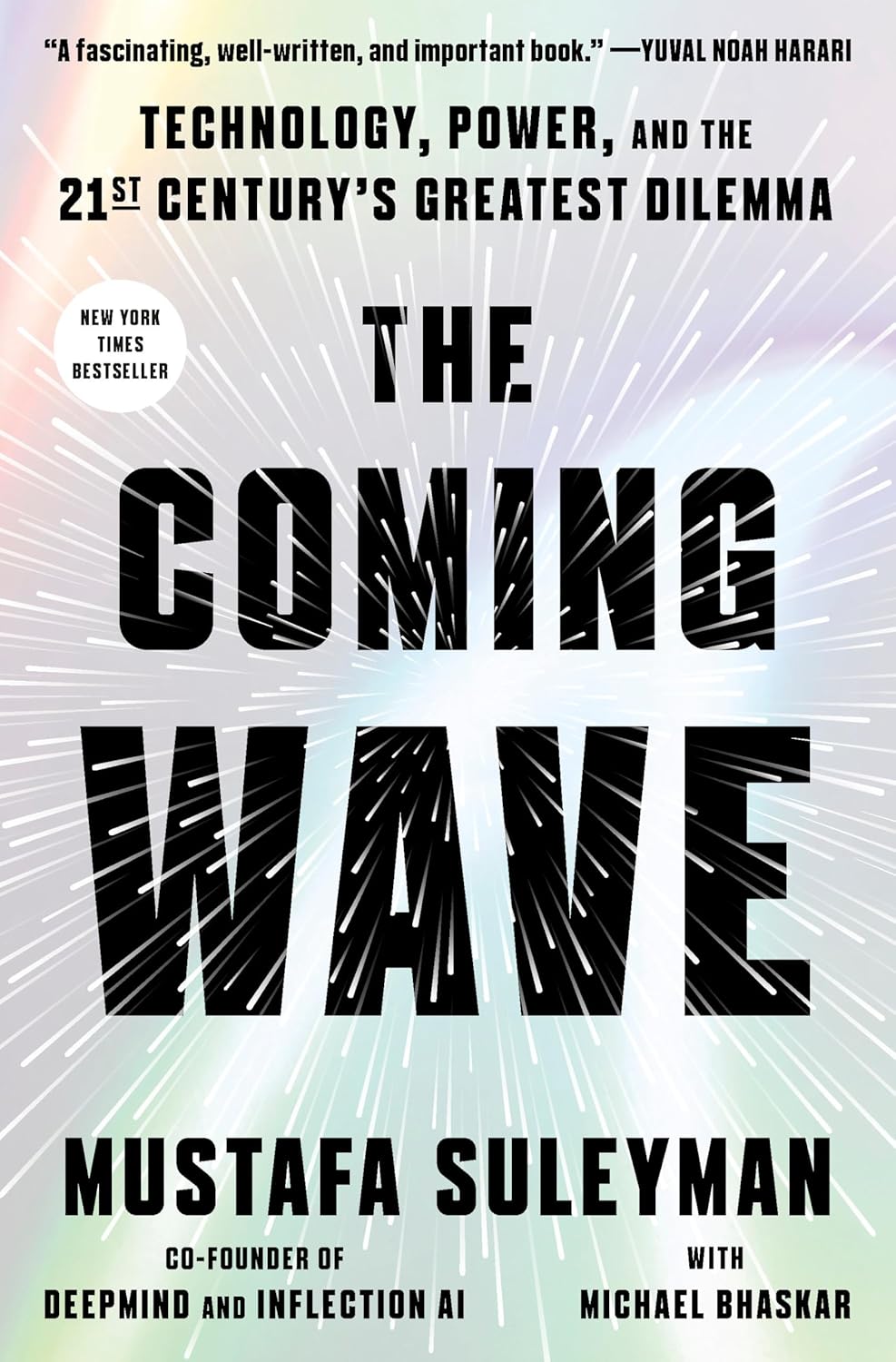
DeepMind co-founder on the dilemma of containing technologies that do not want to be contained.
The best starting book if you're not technical: a Wharton professor explains how to work WITH AI — when to delegate, when to supervise, when to keep i
As an Amazon Associate, Zendoric earns from qualifying purchases; the price does not change for you. · all our recommended books →
🔗 Related on Zendoric
- ESET joins the Agentic AI Foundation: cybersecurity gets a seat at the table where the agent standard is being carved up · 2026-07-02
- AI agents need traffic rules: ESET joins the race for their safety standards · 2026-07-06
- Microsoft isn't selling a better model: it's selling anxiety over its customers' AI spending · 2026-07-16