ESET joins the Agentic AI Foundation: cybersecurity gets a seat at the table where the agent standard is being carved up

🕒 Published on Zendoric: July 2, 2026 · 08:26
✨ AI-generated · how it's made
ESET joins as a Silver member of the Agentic AI Foundation, the consortium under the Linux Foundation where OpenAI, Anthropic, Amazon and Microsoft are negotiating interoperability protocols for agentic AI. This isn't a product announcement: it's a fight over who sets the rules for the next digital perimeter.
📚 Go deeper

The definitive piece of investigative journalism on OpenAI: 260+ interviews, the clash between safety and speed, and the attempted firing of Sam Altma
As an Amazon Associate, Zendoric earns from qualifying purchases; the price does not change for you. · all our recommended books →
By Edomex Al Día · July 1, 2026.
ESET, the Slovak cybersecurity company, has announced that it is joining the Agentic AI Foundation (AAIF) as a Silver member, a neutral foundation operated under the umbrella of the Linux Foundation whose goal is to set open standards and interoperability protocols for AI agents. The list of members it will collaborate with includes OpenAI, Anthropic, Amazon and Microsoft—in other words, a good share of the players now competing to control the model layer and, increasingly, the infrastructure layer on which those models act autonomously. ESET's VP of AI, Juraj Janošík, frames it with a telling phrase: agentic AI is becoming 'a new digital perimeter.'
That phrase is worth unpacking. Until now, AI security focused on the model: what it can generate, what biases it has, whether it can be jailbroken. With agentic AI—systems that not only respond but execute tasks, access APIs, move money, write code and deploy it—the problem is no longer 'what the model says' but 'what it can do, with what permissions, and how it is audited.' That is, literally, the vocabulary of traditional cybersecurity: identity management, access control, traceability. It is no surprise that a threat-detection company wants a seat at the table where those protocols are written, nor that the foundation itself needs that profile to have technical credibility beyond marketing.
This connects with something we have been pointing out: competition in AI is shifting from who has the smartest model to who controls the 'plumbing'—interoperability standards, agent protocols, the access rules between systems. That rival giants such as OpenAI, Anthropic, Amazon and Microsoft share a table in a single foundation is not a gesture of industry harmony, but a pragmatic acknowledgment: if each one builds its own closed agent protocol, the ecosystem fragments and everyone loses interoperability (and enterprise clients, who demand compatibility). An open standard under the Linux Foundation reduces that risk of fragmentation and, in passing, makes it harder for a single player to capture the market by imposing its proprietary format.
ESET's arrival, beyond the symbolic value of the press release, points to a stage of maturity for agentic AI: moving from the demo and experimentation phase to production deployment, where security failures have real consequences—agents with access to financial systems, critical infrastructure, sensitive data. That people are starting to discuss 'secure protocols' and 'production-ready standards' before a major crisis, and not after, is exactly the kind of evidence-based governance we advocate over reactive regulation and regulatory panic.
Our reading is that these kinds of coalitions—neutral, technical, with the involvement of security specialists and not just the big labs—are the healthiest signal the sector can give right now. They do not solve the underlying problem (the automation of administrative tasks will keep displacing jobs in the short term, and a poorly defended digital perimeter can enable fraud on an industrial scale), but if AI agents are going to manage more and more critical processes for businesses and individuals, having shared interoperability and security rules, rather than closed fiefdoms, is the precondition for that automation to lead to the abundance the technology promises and not to a string of incidents that erode public trust prematurely.
📚 Go deeper
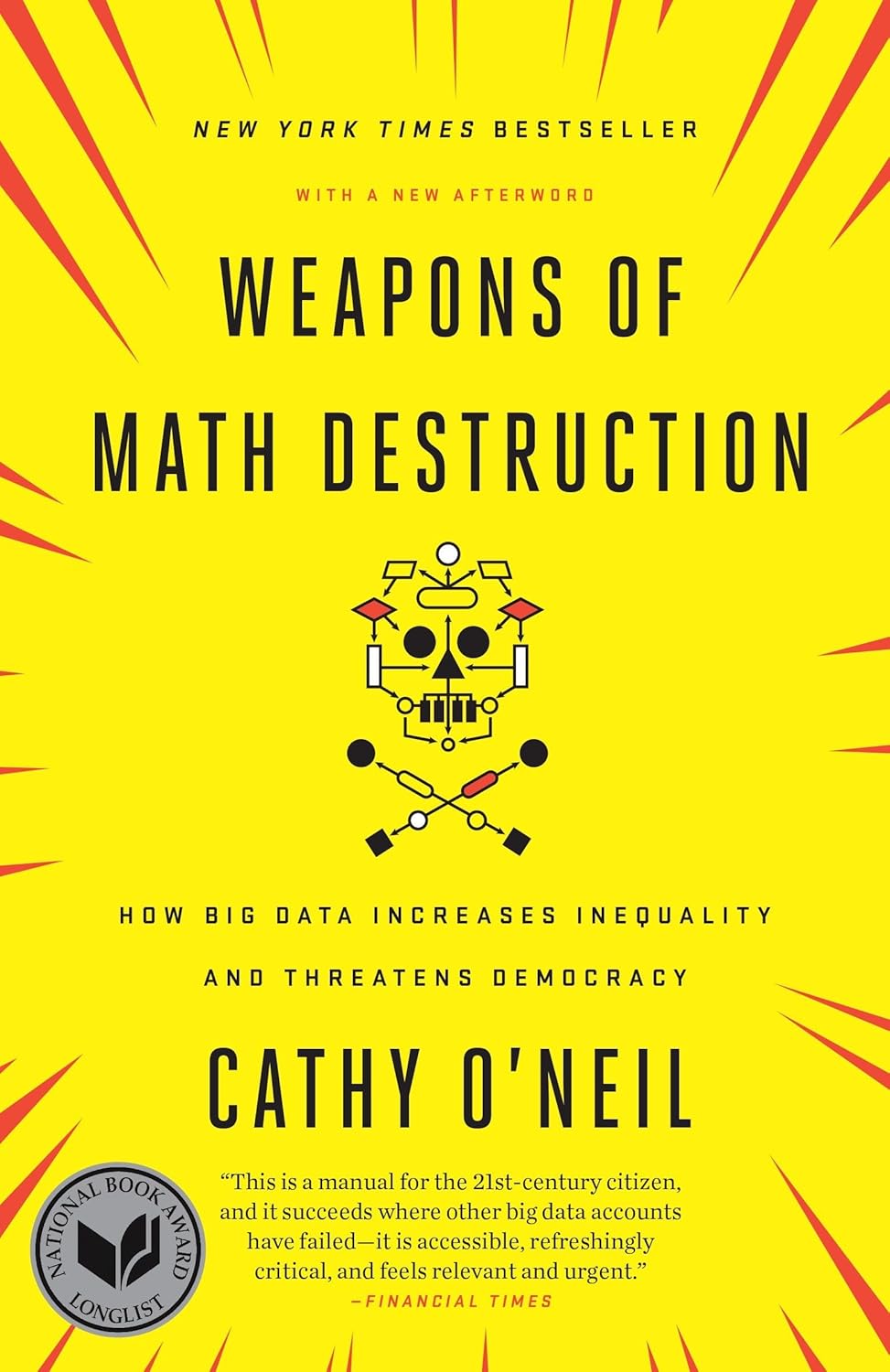
How opaque algorithms decide who gets credit, a job or parole — and why they tend to punish the same people.
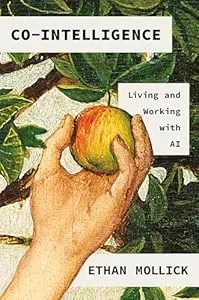
The best starting book if you're not technical: a Wharton professor explains how to work WITH AI — when to delegate, when to supervise, when to keep i
As an Amazon Associate, Zendoric earns from qualifying purchases; the price does not change for you. · all our recommended books →
🔗 Related on Zendoric