Anthropic and OpenAI go public: why buying before the IPO may be the worst bet of the AI frenzy
🕒 Published on Zendoric: July 4, 2026 · 00:29
✨ AI-generated · how it's made
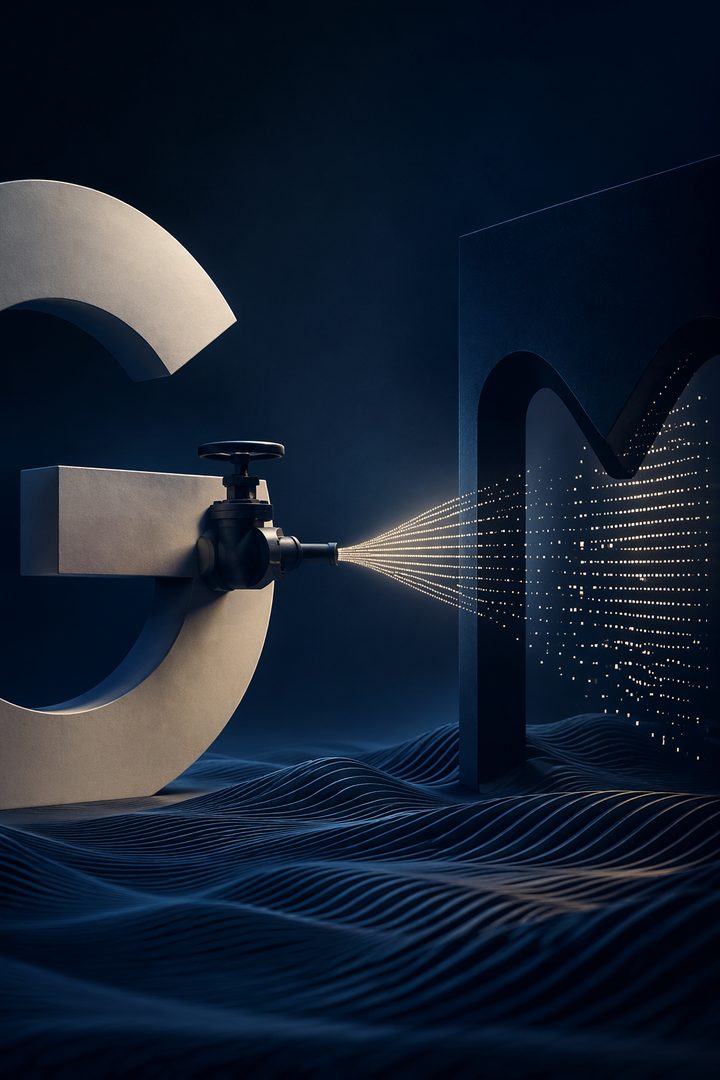
Both companies have already filed a confidential S-1 with the SEC and could debut on the stock market in late 2026. But the ways to invest before that date —secondary markets, SPVs and funds like ARK Venture— hide risks that are rarely explained clearly.
📚 Go deeper
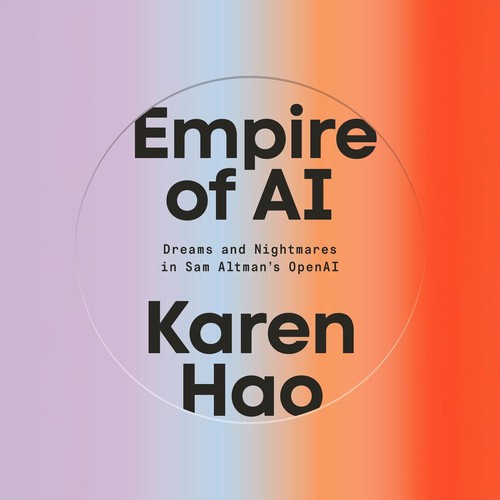
The definitive piece of investigative journalism on OpenAI: 260+ interviews, the clash between safety and speed, and the attempted firing of Sam Altma
As an Amazon Associate, Zendoric earns from qualifying purchases; the price does not change for you. · all our recommended books →
By The Motley Fool · July 3, 2026.
The rumor has been circulating for months and now has an approximate date: OpenAI filed its confidential draft S-1 with the SEC on May 22, and Anthropic did the same on June 1. Both could go public in late 2026 or early 2027. The figures involved are out of this world: OpenAI, valued at $852 billion after its latest round, is aiming to go public with a market capitalization of one trillion dollars—that is, 50 times its annualized revenue run rate of $20 billion at the end of 2025. Anthropic, valued at $965 billion, would be targeting one trillion with barely $9 billion in annualized revenue: a multiple of 111 times. And both plan to place only between 5% and 10% of their shares in the offering, which—combined with the media buzz—could send the price soaring on the first day of trading, regardless of whether those multiples make fundamental sense.
Against that backdrop, an entire ecosystem has emerged to invest before the opening bell rings: accredited investors (net worth above one million dollars or annual income over $200,000) can buy on secondary markets such as Forge Global, Hiive or EquityZen; companies like Robinhood have set up special-purpose vehicles (SPVs) that buy private shares and resell them packaged to third parties; and there are traded funds—ARK Venture Fund, Fundrise Innovation Fund—that offer indirect exposure by buying those institutional SPVs. The problem, as the analysis details, is that both OpenAI and Anthropic are actively pursuing these secondary sales and have the legal power to void them: any share bought through that channel could come to nothing before the IPO. Funds that invest in institutional SPVs avoid that direct cancellation risk, but open up another: the price of the fund stake can soar well above its real net asset value (NAV), driven by speculation, only to collapse when the company actually goes public and investors rush toward the real shares. It is exactly what already happened with the funds holding stakes in SpaceX before its debut.
Our reading is that this episode is a symptom, not an anecdote. The AI industry has entered a phase where private capital has become so opaque and so coveted that it has generated its own gray market of derivative instruments—SPVs on top of SPVs, funds trading above their NAV—even before a public reference market exists. This does not invalidate the underlying value of these companies: Anthropic and OpenAI remain, rightly, the two most talked-about bets on the frontier of generative AI. But valuing a company at 111 times its annual revenue, when most of the sector's capital is being diverted toward infrastructure (data centers, chips, energy) and Chinese open-weight competition—GLM, Qwen, DeepSeek, Kimi—closes the gap month by month in quality, is a bet on the narrative, not on the fundamentals.
The underlying message, consistent with what we have been pointing out about the sector's competitive dynamics, is that the IPO of these two giants will move into the public market a question that until now only venture capital investors were asking: can these companies turn technological leadership into sustainable profits, or will they keep burning cash while open competition erodes their pricing advantage? In the short term, it is reasonable to expect euphoria on debut day followed by a correction once the market digests the net losses and the unfavorable comparisons with infrastructure providers. In the long term, however, if these companies deliver on their promise to accelerate the cure of diseases and the creation of material abundance, the July 2026 entry price will matter far less than the question of whether the generative AI business model manages to sustain itself on its own. Buying pre-IPO hype out of fear of missing out is, as things stand today, betting against patience, and patience tends to win in transformative technology.
📚 Go deeper
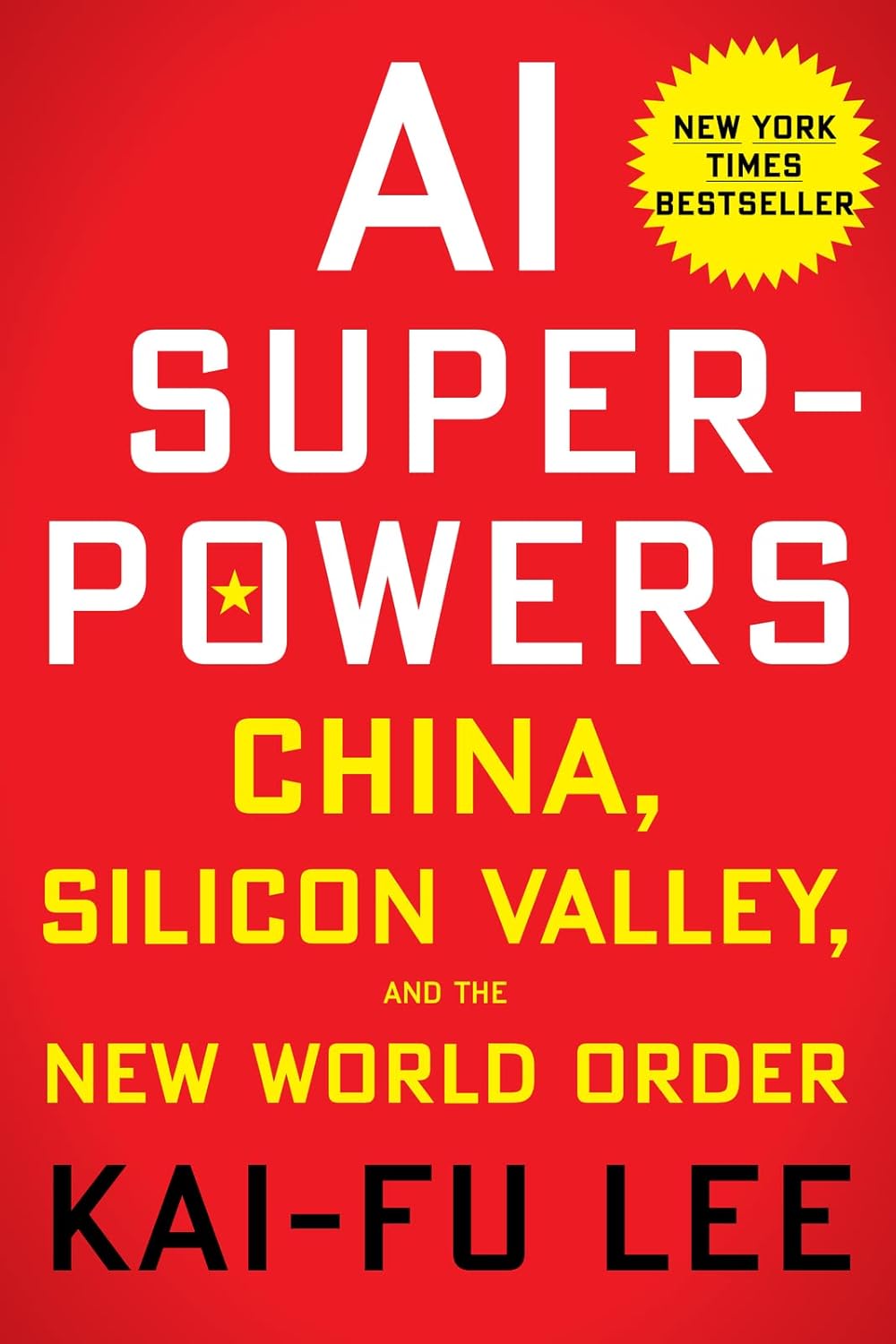
China vs.
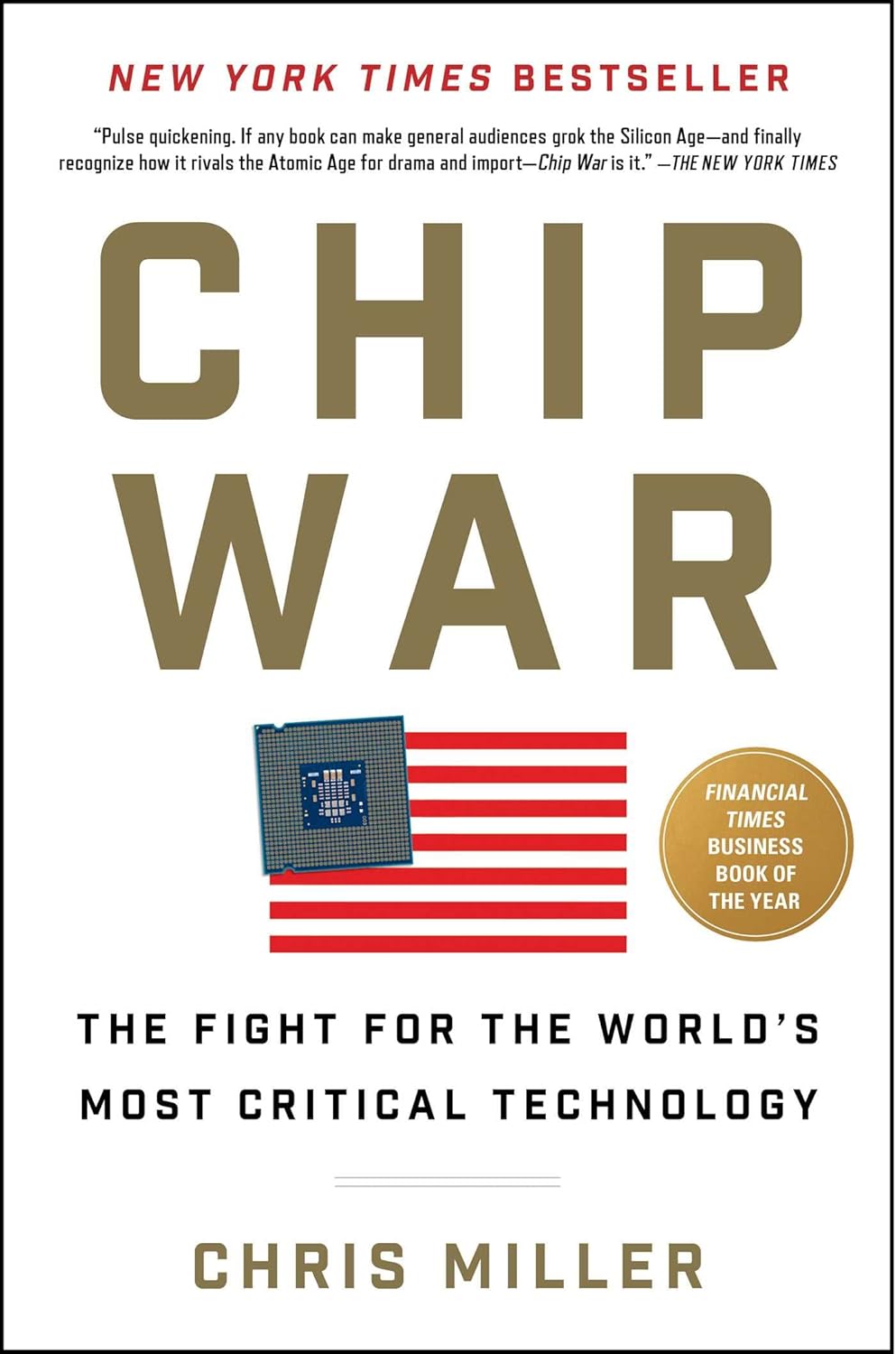
Semiconductors as the oil of the 21st century: history, espionage, and why an island of 23 million people underpins the entire AI economy.
As an Amazon Associate, Zendoric earns from qualifying purchases; the price does not change for you. · all our recommended books →
🔗 Related on Zendoric
- OpenAI and Anthropic have already filed the draft of their IPO near $1 trillion, after SpaceX's record · 2026-07-20
- The Anthropic and OpenAI IPOs are not just money: they are proof that AI already outweighs half the crypto industry · 2026-07-12
- The 2026 'IPO of everything': why the SpaceX, OpenAI and Anthropic figures call for scrutiny before enthusiasm · 2026-07-13