Trump's AI 'Doctor' Video: Synthetic Political Content Goes Fully Mainstream

🕒 Published on Zendoric: July 3, 2026 · 01:20
✨ AI-generated · how it's made
Trump shared an AI-generated video casting himself as a doctor treating celebrities for 'Trump Derangement Syndrome.' The clip is a joke; the precedent — a head of state casually deploying synthetic media — is not.
📚 Go deeper
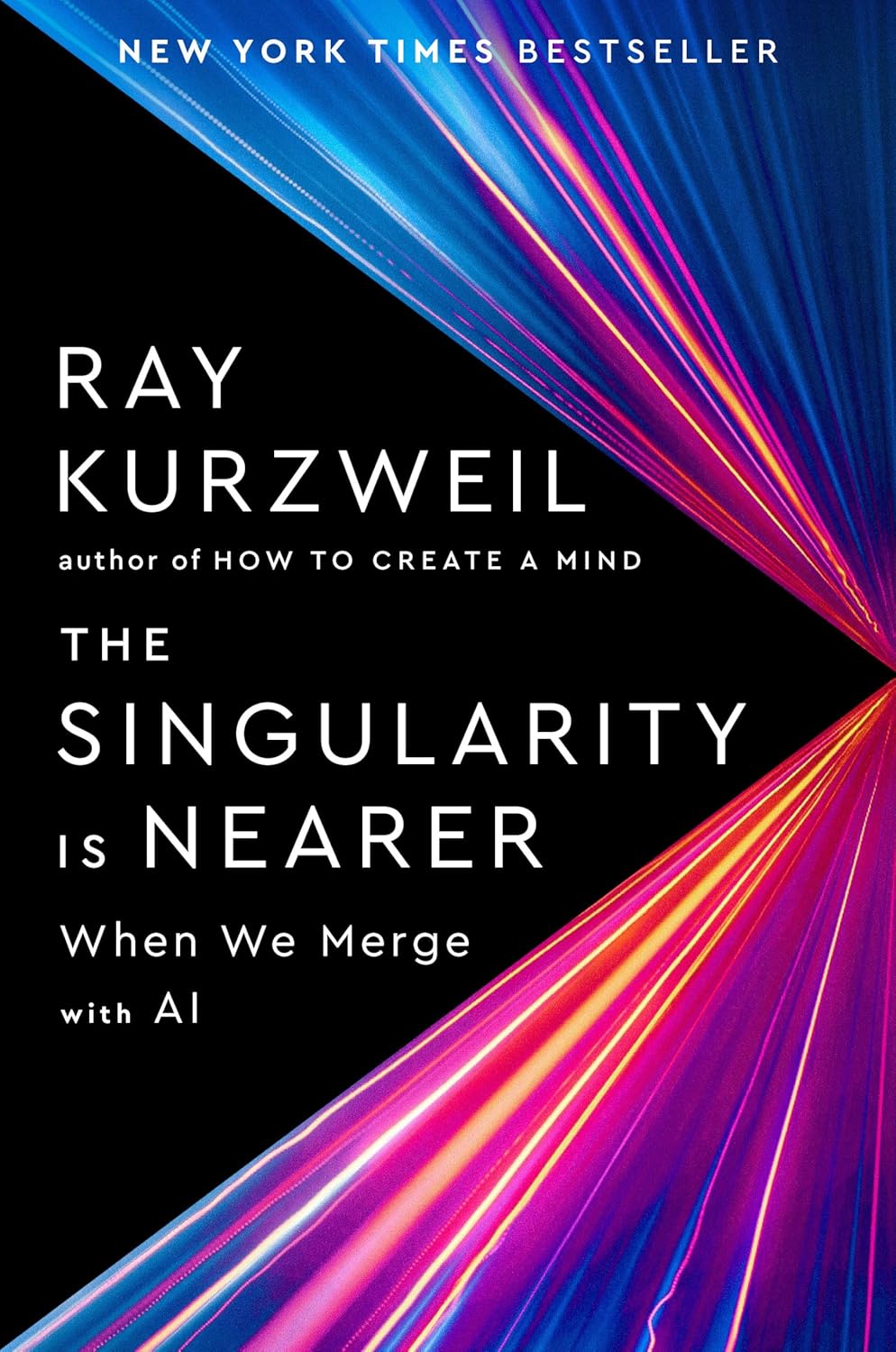
Twenty years after "The Singularity Is Near", Kurzweil revisits his predictions and keeps the date: human-AI merger around 2045.
As an Amazon Associate, Zendoric earns from qualifying purchases; the price does not change for you. · all our recommended books →
The fact is simple and a little surreal: Donald Trump shared an AI-generated video depicting himself as a doctor 'treating' celebrities for a fictional 'Trump Derangement Syndrome.' It's political satire, self-produced propaganda, and a demonstration of how trivially easy synthetic video has become — all at once.
The content itself is inconsequential; the pattern is not. When a former and current president routinely posts AI-generated imagery, the technology crosses a threshold from novelty to normalized instrument of political messaging. That normalization cuts two ways. On one hand, it inoculates the public somewhat — obviously fake, clearly satirical clips train people to expect synthetic media. On the other, it erodes the shared baseline of 'video means it happened,' and that erosion is exactly what makes malicious deepfakes dangerous: not that people believe the fakes, but that they stop believing the real.
Our reading: this is the short-term, messy face of a genuinely democratizing technology. The same generative tools that let anyone produce a political cartoon in motion also let bad actors manufacture convincing lies at scale. We're skeptical of both the naïve 'it's just memes' shrug and the reflexive 'ban it' panic. The durable answer isn't regulating the joke — it's building provenance and verification infrastructure so audiences can check what's real, and cultivating the media literacy to want to. When even the president's feed is part synthetic, 'trust but verify' stops being a slogan and becomes a survival skill for the information ecosystem.
📚 Go deeper

AI as the latest chapter in the history of information networks, from gossip to the printing press to the algorithm.
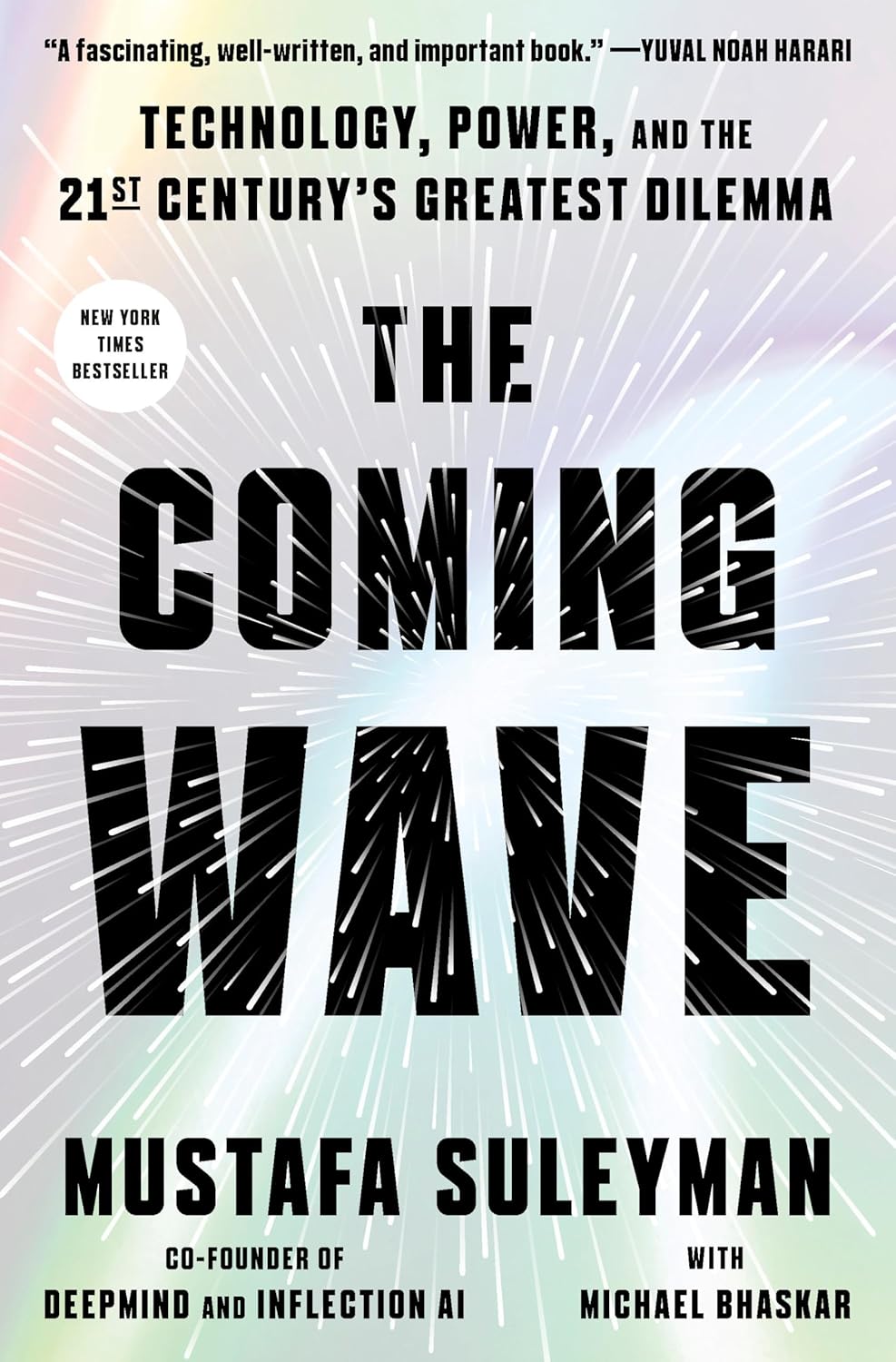
DeepMind co-founder on the dilemma of containing technologies that do not want to be contained.
As an Amazon Associate, Zendoric earns from qualifying purchases; the price does not change for you. · all our recommended books →
🔗 Related on Zendoric
- When Deepfakes Go Political: Trump's AI 'Doctor' Video and the Normalization of Synthetic Propaganda · 2026-07-02
- Deepfake endorsements show how AI turns illegal betting scams into an industrial-scale operation · 2026-07-05
- GPT 5.6 rolls out in a trickle: when the State stands, de facto, between the model and the market · 2026-06-27