GPT 5.6 rolls out in a trickle: when the State stands, de facto, between the model and the market

🕒 Published on Zendoric: June 27, 2026 · 09:00
✨ AI-generated · how it's made
OpenAI will release GPT 5.6 in stages and only to trusted partners, at the express request of the Trump administration and with approval 'customer by customer'. The company has voiced its displeasure but accepts the process. The episode, with the Anthropic precedent, sketches an informal system of pre-launch review for the most advanced models.
📚 Go deeper
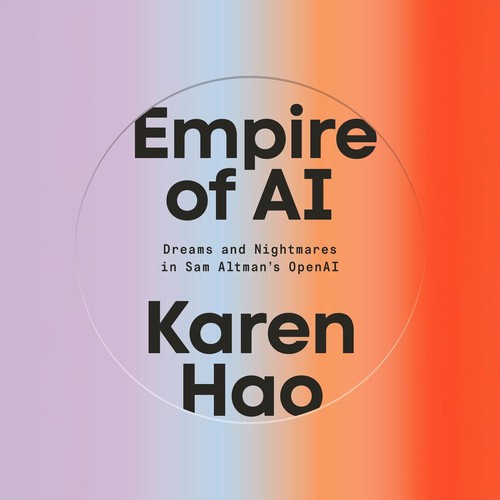
The definitive piece of investigative journalism on OpenAI: 260+ interviews, the clash between safety and speed, and the attempted firing of Sam Altma
As an Amazon Associate, Zendoric earns from qualifying purchases; the price does not change for you. · all our recommended books →
A tech product's calendar rarely says as much as its spec sheet. OpenAI has announced that its new GPT 5.6 series will not reach the market all at once, but rather in a staggered way restricted to a small group of trusted partners whose identity has been shared with the United States government. The decision was not voluntary: the company acted at the express request of the Trump administration, through the Office of the National Cyber Director (ONCD) and the Office of Science and Technology Policy (OSTP), which requested this gradual rollout as a precondition for any wider release.
Sam Altman himself explained it to his employees in an internal memo, obtained by The Information, according to which the government would approve access 'customer by customer' during the trial period, with a general release expected 'a couple of weeks later' if there are no incidents. Altman was explicit about his discomfort: he made clear that this 'is not our preferred model in the long term'. On its blog, OpenAI went further and lamented that this type of government access keeps the best tools away from users, developers, companies and cyber defenders who need them, although it described the step as the 'most solid path' toward broad availability while it works with the White House on a verification framework, in line with an executive order signed by President Trump.
The Anthropic precedent helps to understand the scene. With its Mythos model, the rival company first voluntarily delayed the mass launch and, later, the government ordered it to prevent foreign citizens from accessing public versions because of its advanced cyberattack capabilities; according to the United Kingdom's AI security body, Mythos represents 'a step forward' relative to previous frontier models. The difference is one of nuance but important: Anthropic acted at first on its own initiative, whereas with OpenAI the state intervention was direct from the outset. The source also adds that Commerce Secretary Howard Lutnick reportedly called Altman personally to demand additional approvals; a detail that, attributed to The Information, should be read for what it is: an indication of the high level of scrutiny, not a closed assertion.
Technically, GPT 5.6 comes in three variants: Sol, presented as the most powerful in the suite and OpenAI's most capable model to date; Terra, somewhat inferior but cheaper; and Luna, the lowest cost. The company specifies that Sol does not cross its internal 'critical cyber threshold' and that it is 'better for helping to find and fix vulnerabilities than for reliably carrying out end-to-end attacks'. It is a relevant distinction, because it places the debate where it should be: not on whether a model is powerful, but on what it is especially suited for. As for access, this first phase is limited to U.S. entities, with plans to add foreign partners the following week and to enable employees working from 'compatible countries' such as the United Kingdom and Australia.
The political backdrop is perhaps the most significant. The administration that barely a year ago warned, through Vice President JD Vance, that 'excessive regulation of the AI sector could kill a transformative industry', is now signing an executive order to evaluate the most powerful models before their release. That shift reflects a growing concern for national security and, specifically, for offensive capabilities in cyberspace. In effect, the United States is building a pre-launch review system, still under a voluntary umbrella.
The open question, and the most fertile one, is whether this informal scheme will crystallize into binding regulation and what effect it would have on the competitiveness of U.S. companies against global players not subject to the same rules. The reasonable position is to defend both things at once: that frontier models deserve a serious assessment of their risks, and that such an assessment needs clear, predictable and proportionate rules so as not to penalize those who comply with them. The GPT 5.6 case is, in that sense, less a product story than the first draft of how innovation and oversight will coexist in the coming years.
📚 Go deeper
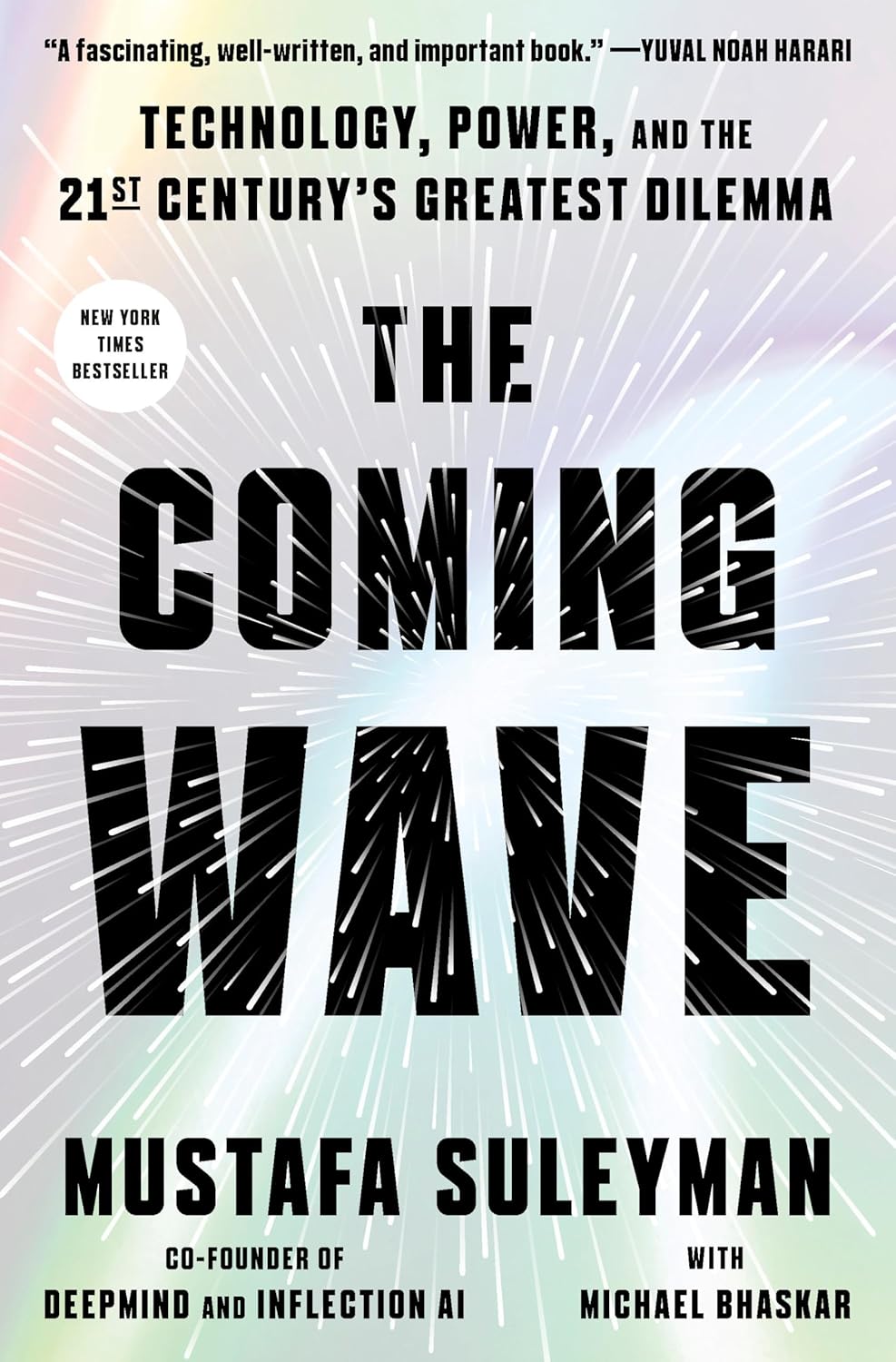
DeepMind co-founder on the dilemma of containing technologies that do not want to be contained.

AI as the latest chapter in the history of information networks, from gossip to the printing press to the algorithm.
As an Amazon Associate, Zendoric earns from qualifying purchases; the price does not change for you. · all our recommended books →
🔗 Related on Zendoric
- When the State asks for a pause: the era of staggered AI launches begins to take shape · 2026-06-27
- When closing the door pushes the customer to the shop across the street: the paradox of AI controls · 2026-06-24
- OpenAI Slows GPT-5.6 at Washington's Request: Caution Becomes Part of the Rollout · 2026-06-26