The AI race in space
🕒 Published on Zendoric: July 3, 2026 · 01:20
✨ AI-generated · how it's made
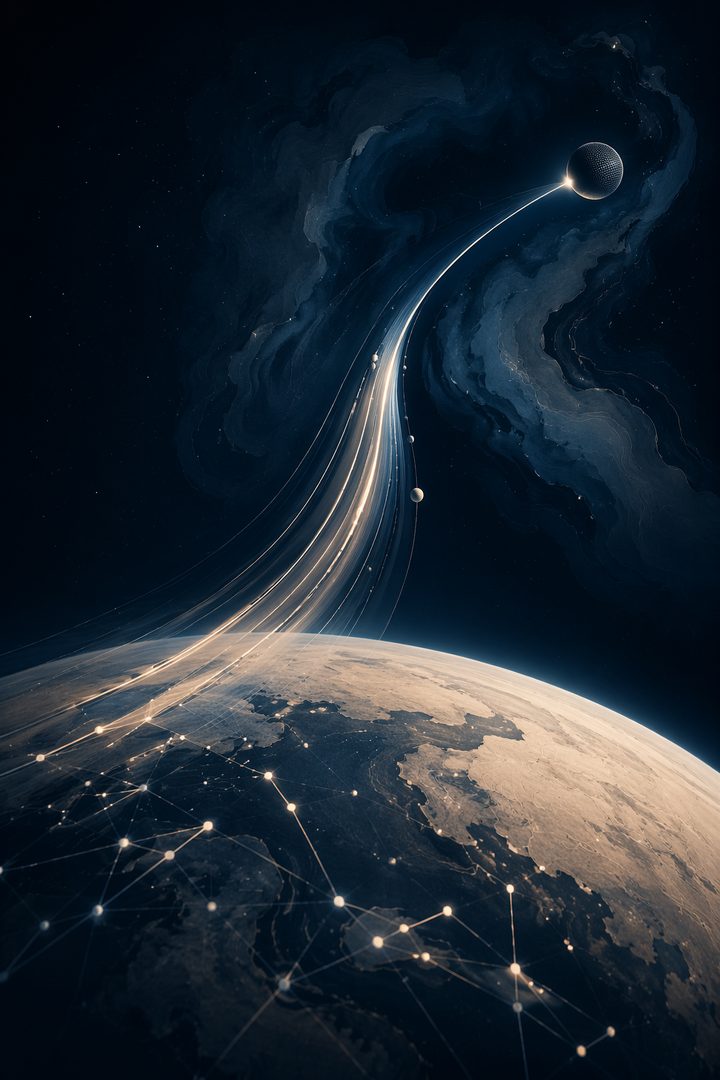
The article puts forward a central thesis that is simple to state but profound in its implications: space is becoming a new frontier for artificial intelligence, and one of the most competitive that currently exists.
📚 Go deeper
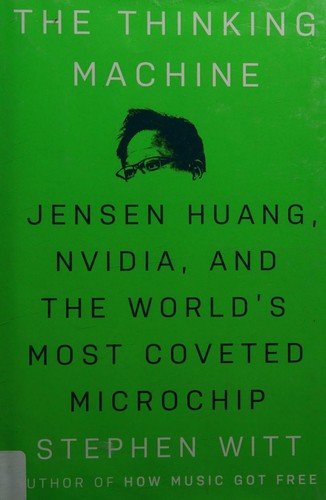
The story of NVIDIA and Jensen Huang: how a video-game card company ended up making the most coveted resource on the planet.
As an Amazon Associate, Zendoric earns from qualifying purchases; the price does not change for you. · all our recommended books →
By TheSequence · July 2, 2026.
The article puts forward a central thesis that is simple to state but profound in its implications: space is becoming a new frontier for artificial intelligence, and one of the most competitive that currently exists. According to the author, AI's frontiers have always been defined by the scarcity of some resource. When ideas were scarce, the frontier was model architectures; when data was scarce, the frontier was the open web; when compute (FLOPs) became scarce, the frontier moved to semiconductor fabrication plants (fabs). Today, the text argues, what is scarce is energy: grid capacity, cooling water, available land and regulatory permits. And precisely for that reason Earth orbit presents itself as the only accessible place where energy is, in practice, unlimited and where no zoning board has jurisdiction.
This premise turns low Earth orbit (LEO) not into a marginal scientific experiment, but into contested economic territory. The author describes how the industry is already acting accordingly: companies valued in the trillions of dollars, hyperscalers (large cloud providers), chip manufacturers, nation-states and venture-capital-backed startups are filing applications, launching missions and competing with one another on compressed timelines. According to the text, real hardware is already operating in orbit, which shows that this competition is not hypothetical but is already underway with tangible results.
As a concrete data point illustrating this trend, the article mentions that, as of December 2025, the first large language model (LLM) was trained in space: this was nanoGPT, the minimalist GPT repository created by Andrej Karpathy. This model was trained on the complete works of Shakespeare aboard an H100 GPU, housed in a satellite weighing 130 pounds. The author uses this fact as proof that the AI frontier in space is no longer a theoretical possibility, but a reality that—in his words—"has a loss curve," that is, that real training metrics are already associated with this activity.
The central thesis running through the entire essay, summarized by the author himself, is that compute has now become an energy problem, and that space presents itself as an energy solution to that problem. The email indicates that the full essay delves into the value proposition of AI in space, the key players involved in this race, and the architectural differences between the various approaches being developed, although the body of the email received does not detail these additional sections beyond the introduction of the argument.
📚 Go deeper
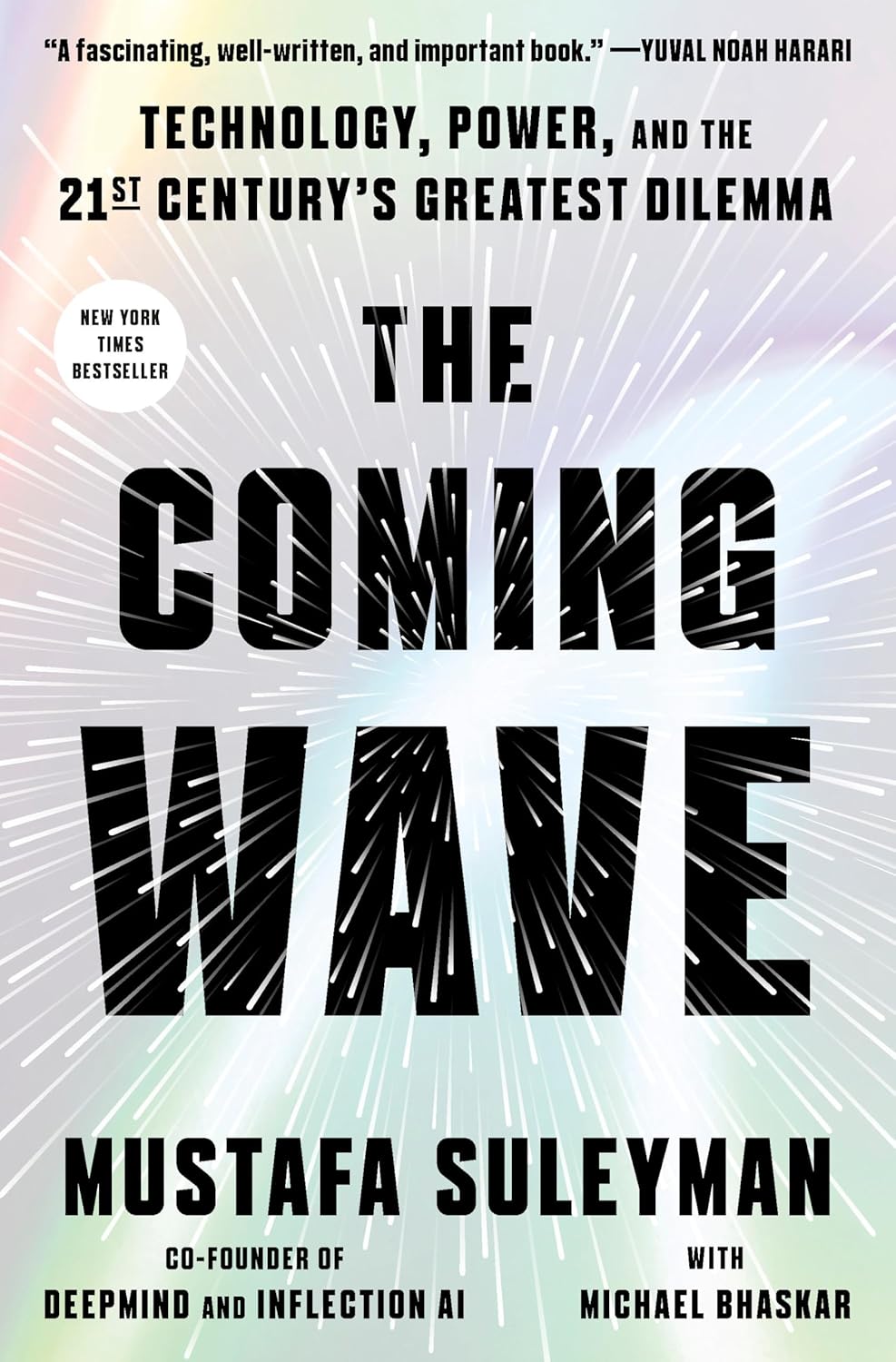
DeepMind co-founder on the dilemma of containing technologies that do not want to be contained.
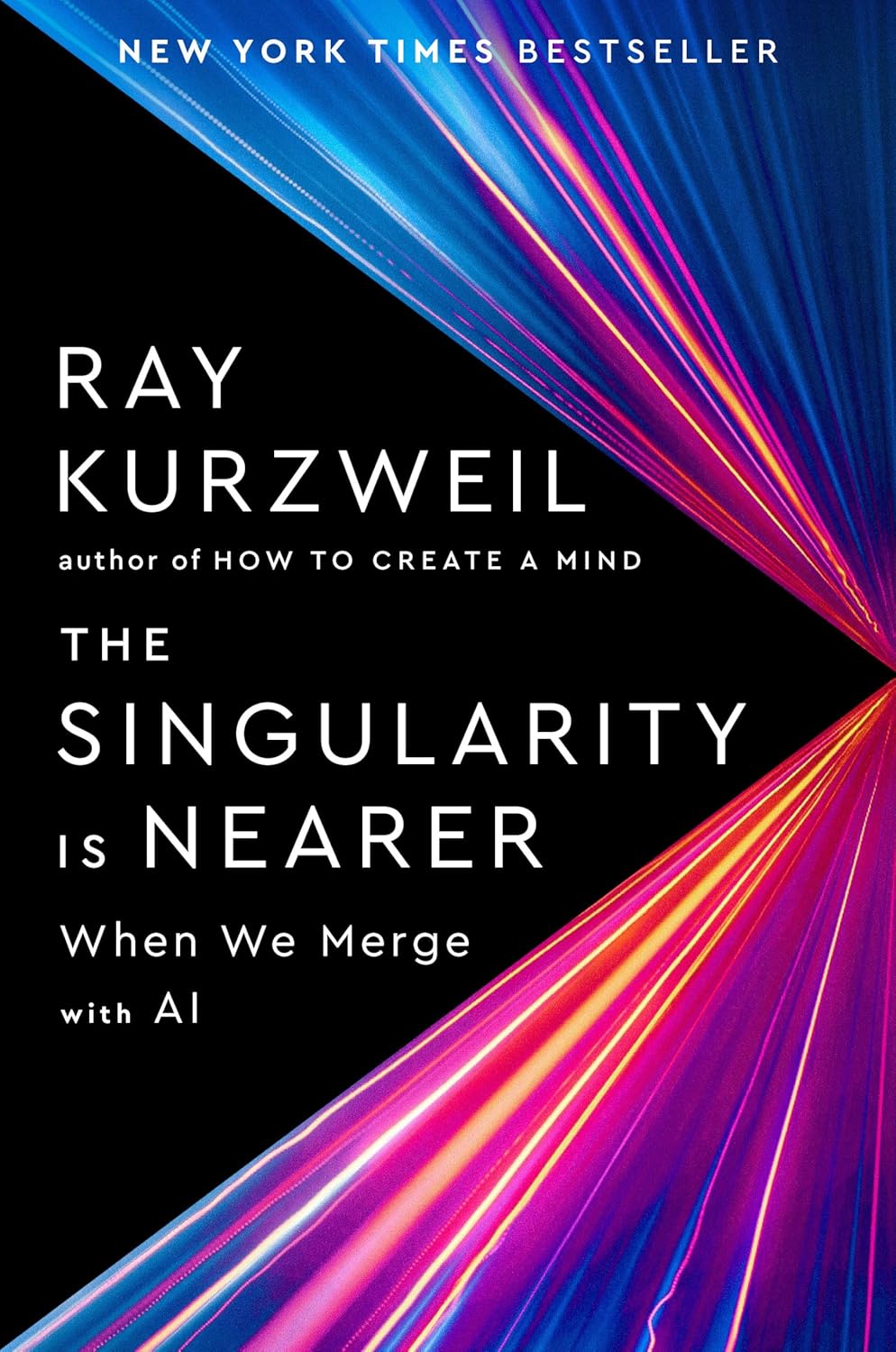
Twenty years after "The Singularity Is Near", Kurzweil revisits his predictions and keeps the date: human-AI merger around 2045.
As an Amazon Associate, Zendoric earns from qualifying purchases; the price does not change for you. · all our recommended books →
🔗 Related on Zendoric