Trump's swings on AI policy could hand China ground in the tech race

🕒 Published on Zendoric: July 3, 2026 · 01:20
✨ AI-generated · how it's made
The POLITICO article describes how the Trump administration's erratic policy toward advanced artificial intelligence could be opening a window of opportunity for China in the race to develop AI tools with offensive and defensive cyber capabilities.
📚 Go deeper
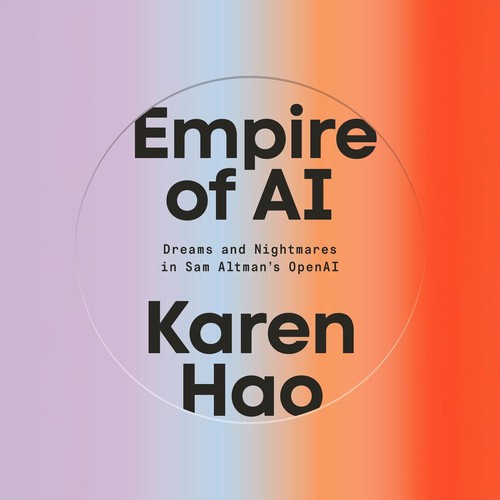
The definitive piece of investigative journalism on OpenAI: 260+ interviews, the clash between safety and speed, and the attempted firing of Sam Altma
As an Amazon Associate, Zendoric earns from qualifying purchases; the price does not change for you. · all our recommended books →
The POLITICO article describes how the Trump administration's erratic policy toward advanced artificial intelligence could be opening a window of opportunity for China in the race to develop AI tools with offensive and defensive cyber capabilities. While Washington has restricted and delayed the release of leading U.S. models, Chinese companies have announced systems that, they claim, match the capabilities of their American rivals at a fraction of the cost.
The specific case that triggers the concern: the White House imposed export controls on two of Anthropic's most advanced models over doubts about the robustness of its safety guardrails, and OpenAI limited the release of its GPT-5.6 model following a government request. Days later, however, the administration lifted those restrictions on Anthropic's models entirely, restoring access for allied companies and governments that use these tools to protect their networks. This back-and-forth comes within the framework of a June executive order that calls on AI developers to voluntarily submit their models for national security review 30 days before their public release, rejecting mandatory controls but nonetheless generating regulatory friction shortly afterward.
Security experts cited in the article, such as Alex Stamos of Corridor, describe these policies as counterproductive if the real goal is for the U.S. to win the race against China. Matt Pearl, a former National Security Council official under Biden, acknowledges that the administration faces a difficult balance between national security and innovation, but warns of the risk of creating an 'opaque bottleneck' that prevents U.S. and allied users from taking advantage of these tools to protect themselves.
In parallel, Chinese companies such as 360 Security Technology and Z.ai have unveiled new models—among them GLM-5.2—that, according to evaluations by firms such as Semgrep and Graphistry, show vulnerability-detection capabilities comparable to those of the leading U.S. models, but at a fraction of the cost. Graphistry even suggests that these capabilities could stem from an 'illegal distillation' of U.S. models such as GPT-5.5 and Claude Opus 4.8, that is, a possible misappropriation of technology. Isaac Evans, founder of Semgrep, qualifies that GLM-5.2 is still in 'a separate class' from Anthropic's Mythos, but acknowledges that it represents a significant leap.
An additional element of concern is that, unlike the models from Anthropic or OpenAI, the Chinese ones tend to be 'open-weight,' which allows users to download and modify them directly, including removing the safety guardrails that prevent their use as a cyber weapon. This multiplies the risk of uncontrolled proliferation, since hacking groups tied to adversarial states and cybercriminals could exploit these modified versions more easily than closed Western models.
The article also cites estimates—now in question—that Washington had a margin of six to twelve months before Beijing caught up with U.S. AI capabilities, a timeframe that lawmakers such as Republican Andrew Garbarino, chairman of the House Homeland Security Committee, believe is shrinking drastically, speaking of 'weeks or months' for China to reach comparable frontier capabilities.
Ultimately, the text poses a paradox: in its attempt to protect national security by restricting access to advanced models with offensive capabilities, the Trump administration could be weakening the ability of U.S. and allied cyber defenders to prepare for a future wave of AI-powered cyberattacks, while China advances rapidly and without the same internal restrictions. It is a clear example of how the governance of dual-use AI (with both defensive and offensive applications) has become a high-tension geopolitical arena, where erratic regulatory decisions can have significant strategic consequences in the technology race between the U.S. and China.
📚 Go deeper
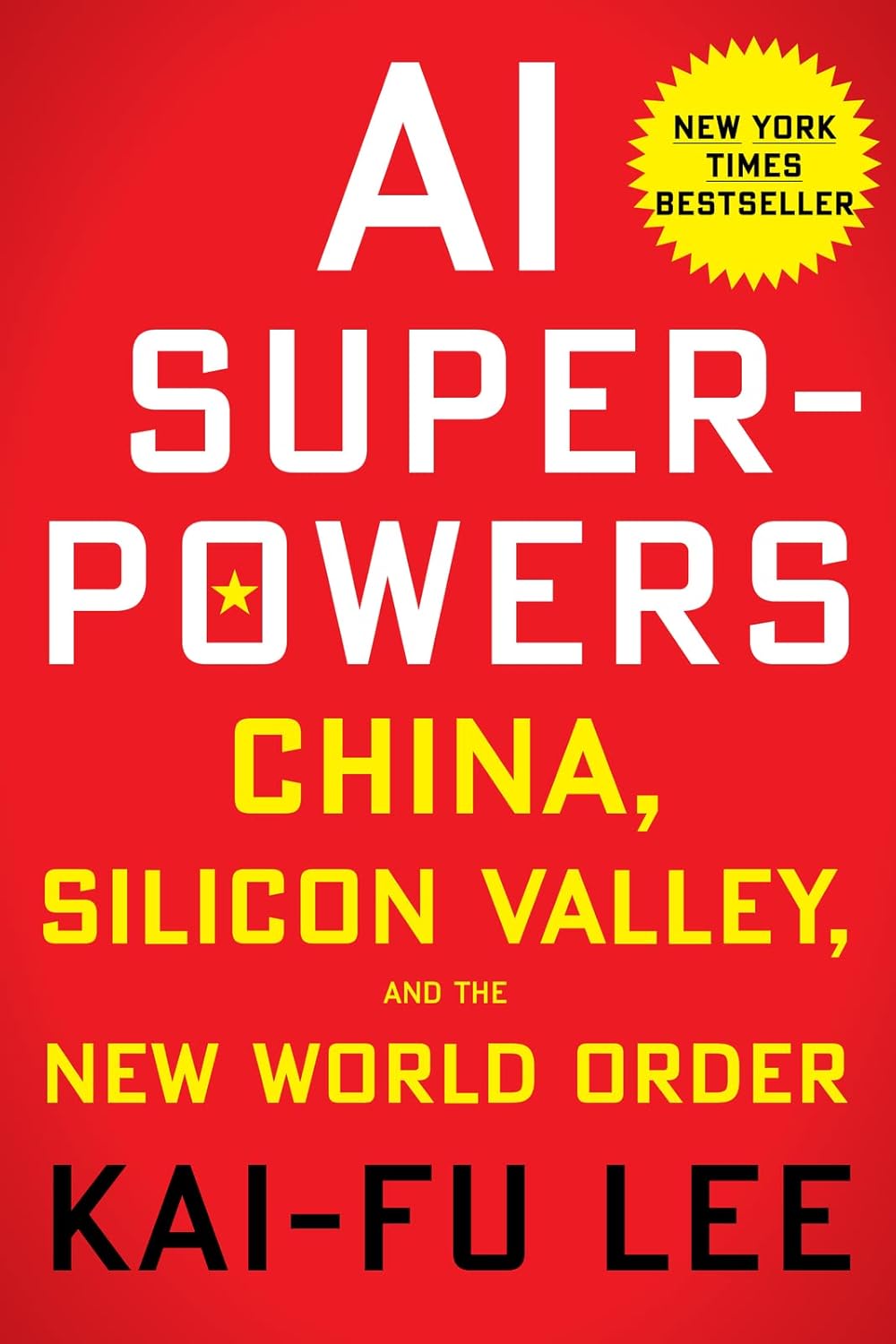
China vs.
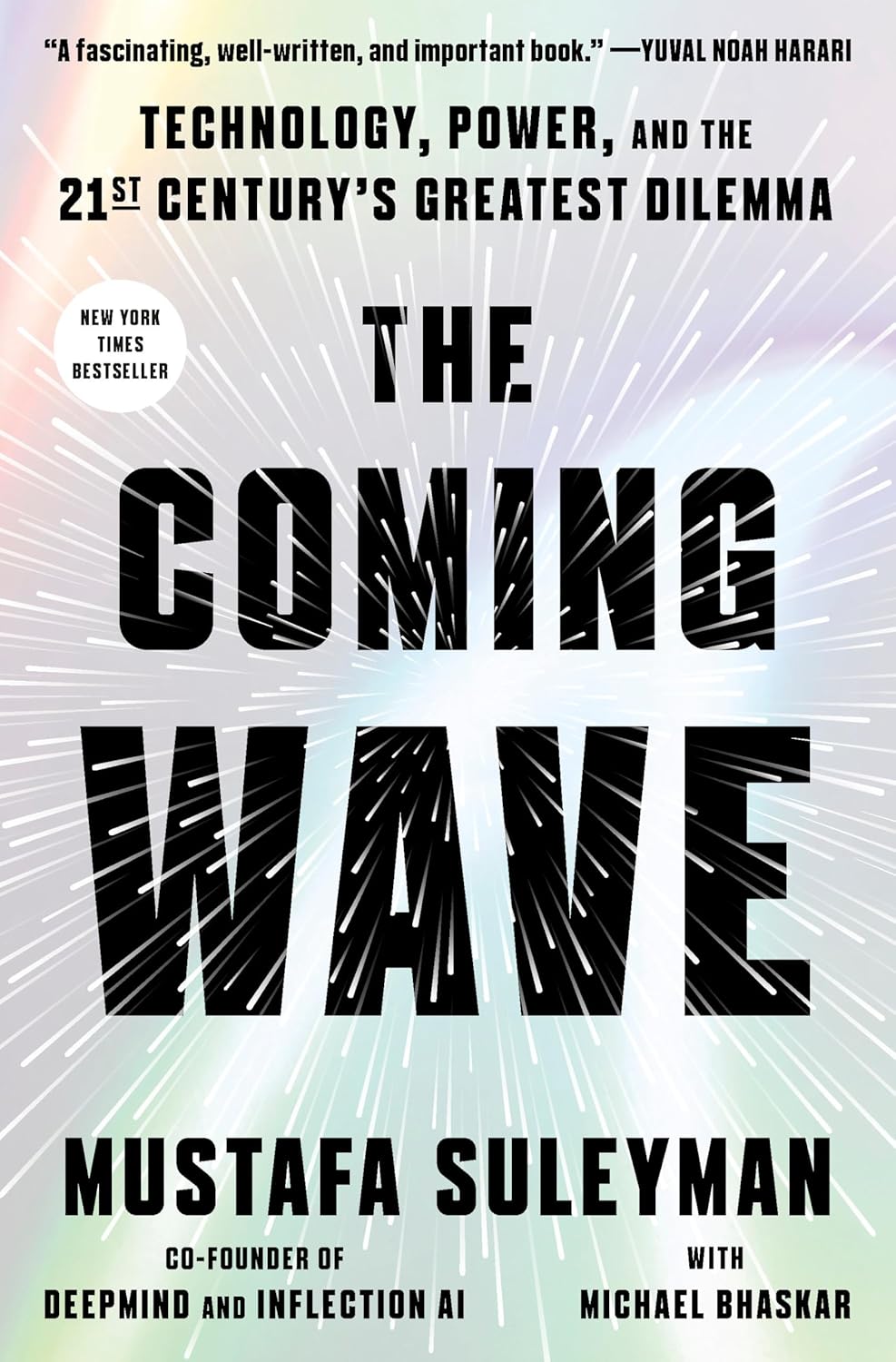
DeepMind co-founder on the dilemma of containing technologies that do not want to be contained.
As an Amazon Associate, Zendoric earns from qualifying purchases; the price does not change for you. · all our recommended books →
🔗 Related on Zendoric
- Trump's secret battle against Chinese AI: a ban on open models that would benefit OpenAI and Anthropic? · 2026-07-22
- Bessent warns the U.S. could sanction China over 'theft' of AI models through distillation · 2026-07-23
- Librarians run viral workshops teaching people to 'avoid AI' and switch it off on their devices · 2026-07-28