Chatbots in the classroom: why the access gap matters more than the technology itself

🕒 Published on Zendoric: July 2, 2026 · 08:26
✨ AI-generated · how it's made
Researchers at Stanford and CRPE warn that chatbots can lighten students' 'work of thinking,' but the real risk isn't AI itself, but that marginalized students arrive without practice at a job market that already demands it.
📚 Go deeper

The only novel on the list, by a Nobel laureate: an artificial friend observes humans with a blend of lucidity and innocence no essay achieves.
As an Amazon Associate, Zendoric earns from qualifying purchases; the price does not change for you. · all our recommended books →
By K-12 Dive · July 1, 2026.
The report gathers the diagnosis of two American education researchers on the use of chatbots by high school students. Sarah Levine, of Stanford, acknowledges that these tools work as available mentors when there is no teacher at hand, offering generic but reasonably creative feedback. The problem, she says, is that many students 'hand over the work of thinking' to the bot, which produces fast, above-average results without the student practicing writing. Her prescription is not to ban, but to redesign assignments so they rely less on rigid templates ('instructions for paragraphs one, two and three').
The most revealing figure comes from a 2024 report by the Center on Reinventing Public Education (Arizona State University): only 18% of U.S. K-12 teachers were using AI in class, concentrated mainly in secondary-level language arts and social studies, and barely 60% of districts had offered or planned to offer teacher training in AI for the 2023-24 school year. Bree Dusseault, of CRPE, describes the situation as a 'fairly improvised' approach, with districts applying very different strategies while grappling with the fear of plagiarism and with students who sometimes master the tool better than their own teachers.
The most weighty warning, however, is about unequal access: Dusseault points to the risk that wealthier suburban districts give their students an advantage in mastering these tools, while historically underserved students are left without that training just as the labor market already assumes they will know how to use AI to write and study. It is a digital-capital gap that adds to the already known gaps in connectivity and devices.
Our reading is that this article, though modest in scope, precisely captures the real knot of the educational debate on AI: it is not a discussion about whether the technology is good or bad, but about who has the time, training and institutional context to use it well. Levine's honesty in asking that the system 'not rush' contrasts with the market pressure districts feel not to fall behind, and that tension —slow pedagogy versus rapid commercial adoption— will remain the contested terrain in the coming school years.
In general, this fits what we already observe in other sectors: AI does not eliminate human judgment, it shifts it toward higher-level tasks (in this case, redesigning what 'writing well' means when a model can produce an acceptable essay in seconds). In the short term, the cost is real: poorly prepared teachers, students who lose the chance to exercise their own thinking, and an inequality that quietly widens between rich and poor districts. That is the problem to solve now, with serious teacher training and equitable access policies, not a decade from now.
In the longer term, however, Zendoric's underlying thesis holds: if AI manages to democratize access to a tutor available 24 hours a day —something today reserved for those who can pay for private lessons— the end result could be education that is more personalized and equitable than the current one, not less. The key, as these researchers rightly note, is for education leaders to be transparent about what AI can and cannot do well, rather than imposing it by decree or banning it out of panic. Winning that short and unequal transition is the condition for the educational abundance the technology promises to truly reach everyone, and not only those who already had an advantage.
📚 Go deeper
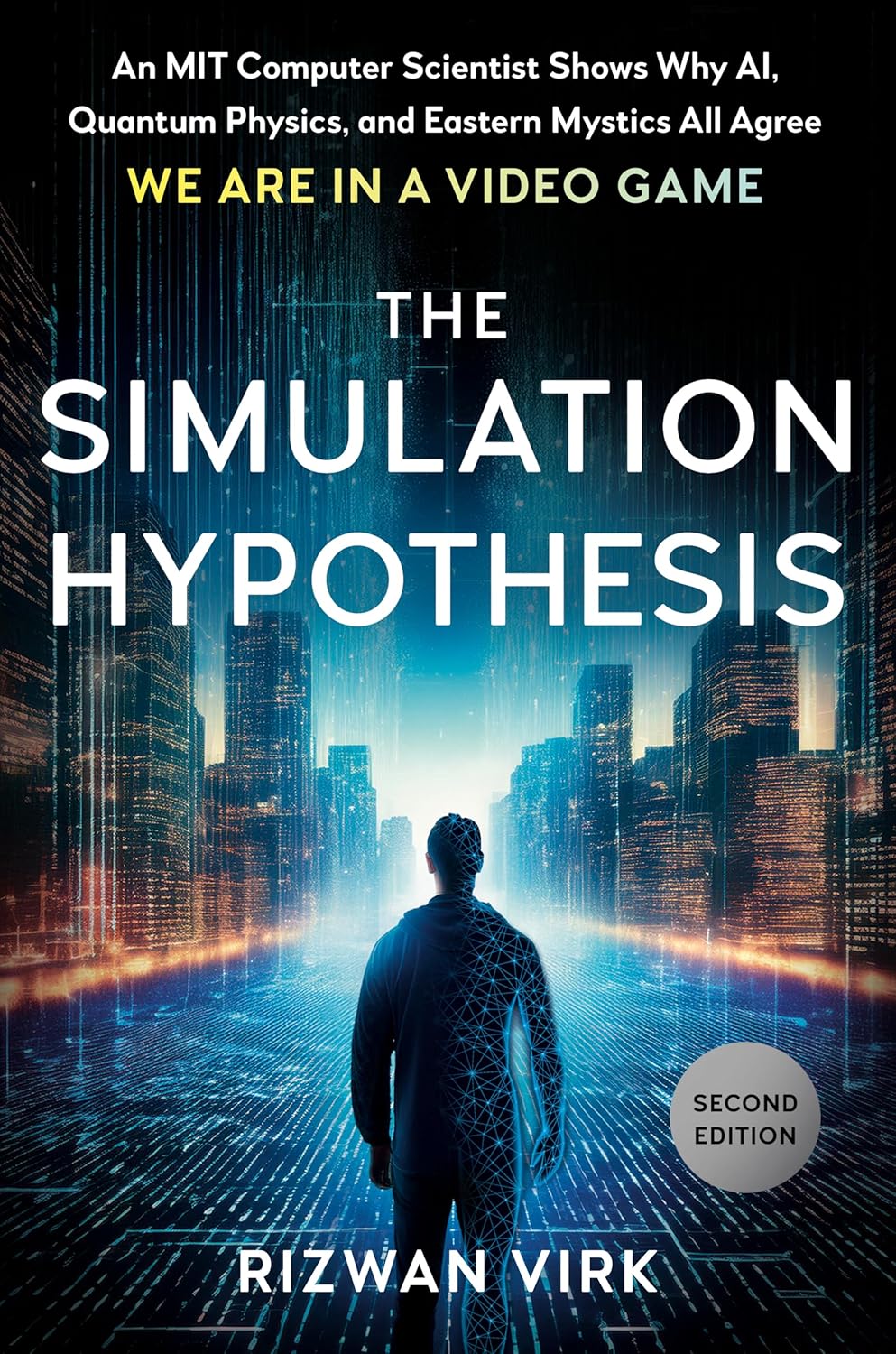
An MIT computer scientist connects AI, quantum physics and video games to take an uncomfortable question seriously: what if we live in a simulation? M
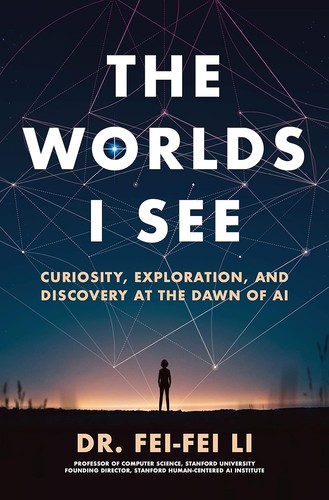
The memoir of the creator of ImageNet, the scientist who made the deep learning revolution in vision possible.
As an Amazon Associate, Zendoric earns from qualifying purchases; the price does not change for you. · all our recommended books →
🔗 Related on Zendoric
- International students read the market before anyone else: they choose AI over the MBA · 2026-07-23
- NYC starts the school year with no AI rules: the largest city in the US tests how to tame artificial intelligence in the classroom · 2026-09-02
- A lawsuit over being denied a frontier AI model marks a turning point: access as a stake worth fighting for · 2026-06-25