Demystifying AI model distillation

🕒 Published on Zendoric: July 1, 2026 · 00:35
✨ AI-generated · how it's made
This issue of TheSequence Knowledge (#886) tackles one of the most fundamental and practical concepts in language-model and artificial-intelligence training: knowledge distillation.
📚 Go deeper
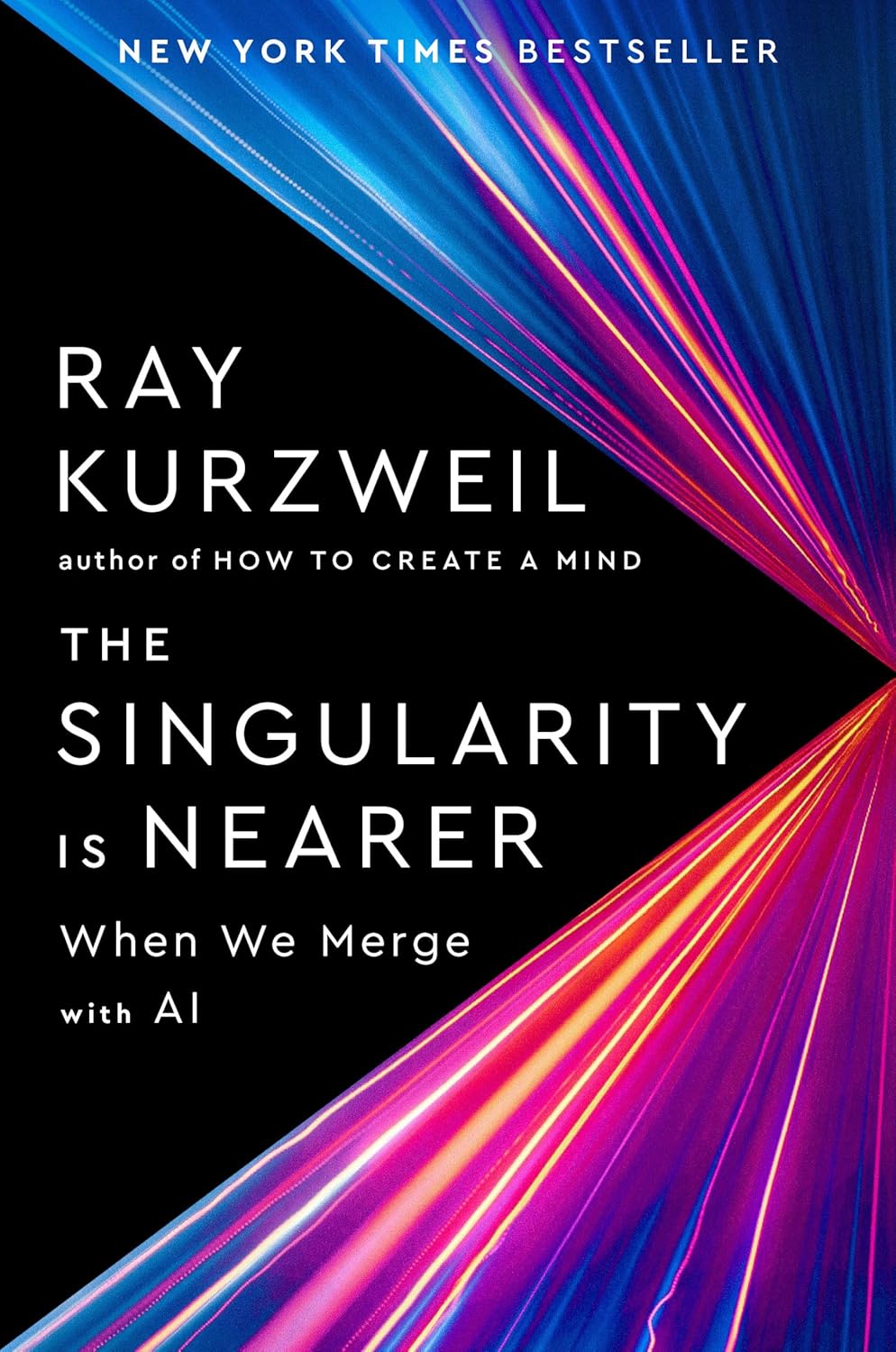
Twenty years after "The Singularity Is Near", Kurzweil revisits his predictions and keeps the date: human-AI merger around 2045.
As an Amazon Associate, Zendoric earns from qualifying purchases; the price does not change for you. · all our recommended books →
By TheSequence.
This issue of TheSequence Knowledge (#886) tackles one of the most fundamental and practical concepts in training language models and artificial intelligence: knowledge distillation.
The article opens with a very clear analogy to understand the technique: imagine a very expensive teacher and a very cheap student. The teacher is a large model—smart, slow, with high capacity, costly to run. The student is smaller: faster, cheaper, easier to deploy, but usually less capable if trained the standard way.
Distillation then poses a very practical question: can the student learn not only from the original dataset, but also from the teacher's *behavior*? That is, instead of training the small model directly on reality, you train it on reality as interpreted by the large model. According to the article itself, that sentence sums up the entire trick of the technique.
The available body of the email cuts off before going into detail about how a traditional training process is structured compared to the distillation scheme, so the rest of the technical content requires accessing the full publication on the web.
📚 Go deeper
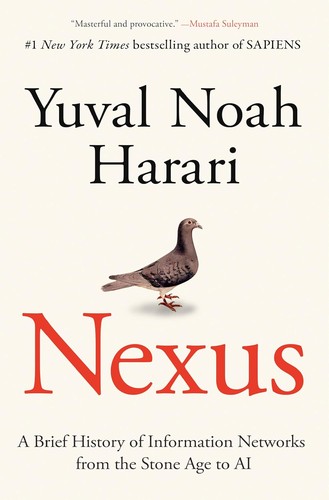
AI as the latest chapter in the history of information networks, from gossip to the printing press to the algorithm.
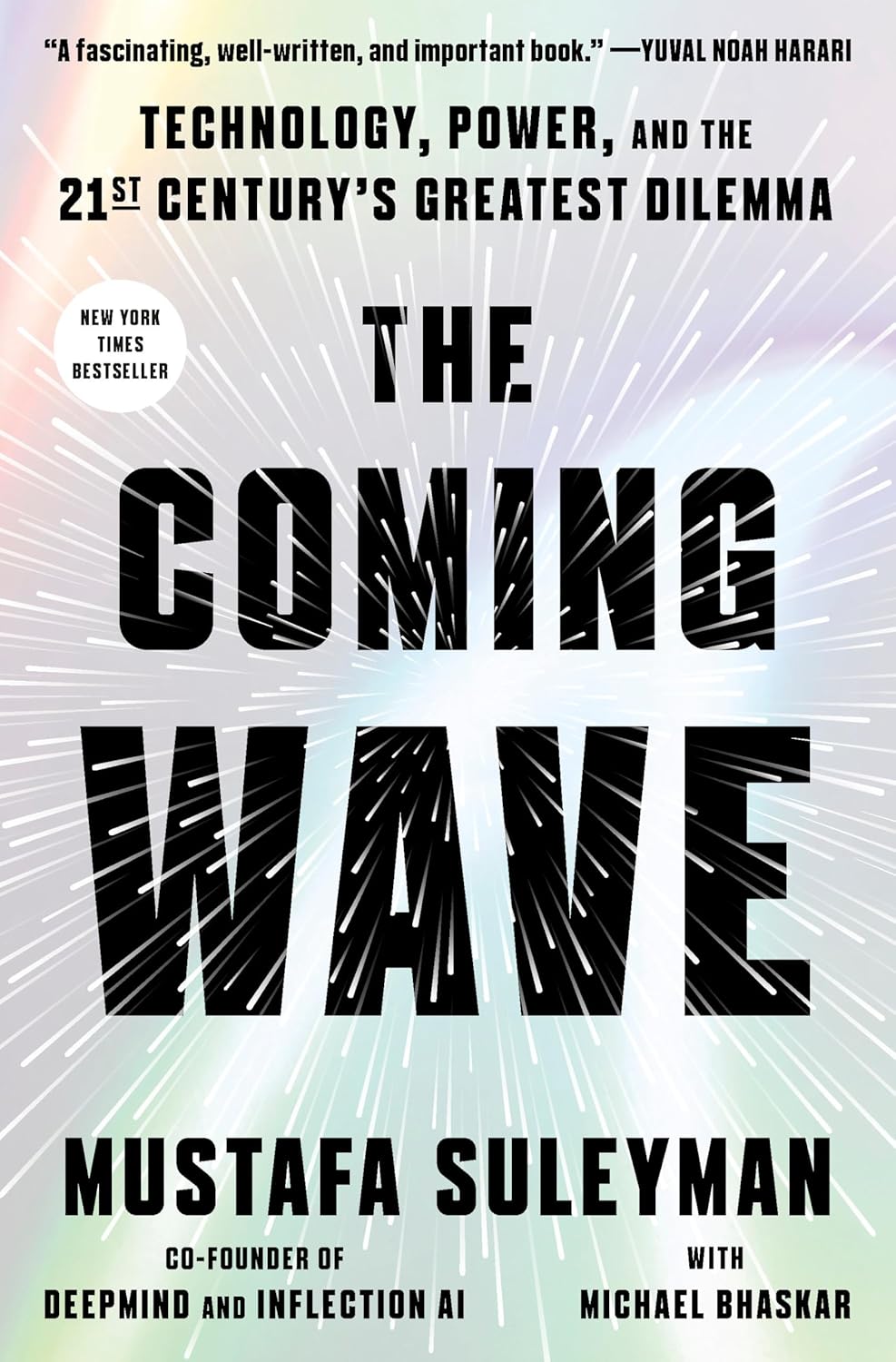
DeepMind co-founder on the dilemma of containing technologies that do not want to be contained.
As an Amazon Associate, Zendoric earns from qualifying purchases; the price does not change for you. · all our recommended books →
🔗 Related on Zendoric
- Reasoning as a footprint: distilling chains of thought into small models · 2026-07-22
- U.S. Treasury threatens sanctions against China's Moonshot over alleged distillation of Anthropic's Fable model · 2026-07-24
- The China–U.S. gap in AI narrows: why the real contest is no longer technical but about the business model · 2026-06-25