Trademarking the voice: the legal play with which artists get ahead of deepfakes
🕒 Published on Zendoric: June 27, 2026 · 09:00
✨ AI-generated · how it's made
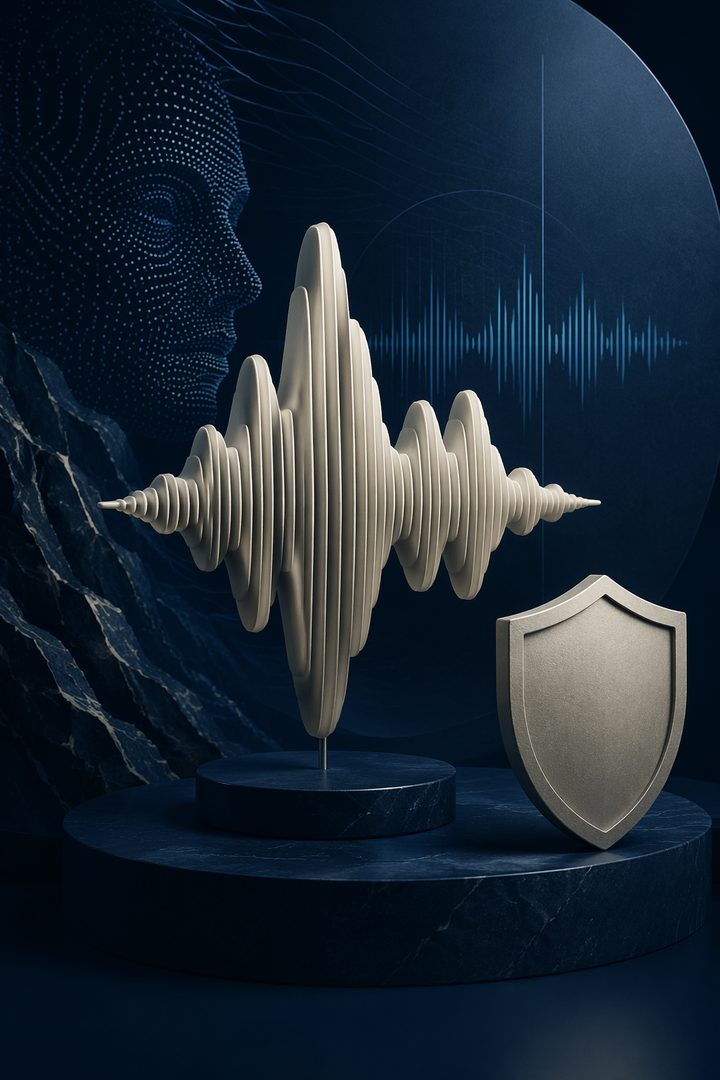
BSB Entertainment has filed with the USPTO for a sound mark for the phrase 'HI, WE'RE THE BACKSTREET BOYS'. Beyond the anecdote, the move outlines a strategy already shared by Taylor Swift, Lionel Richie and Matthew McConaughey: turning vocal identity into a registrable asset against AI cloning. An appealing idea with a legal flank still unresolved.
📚 Go deeper
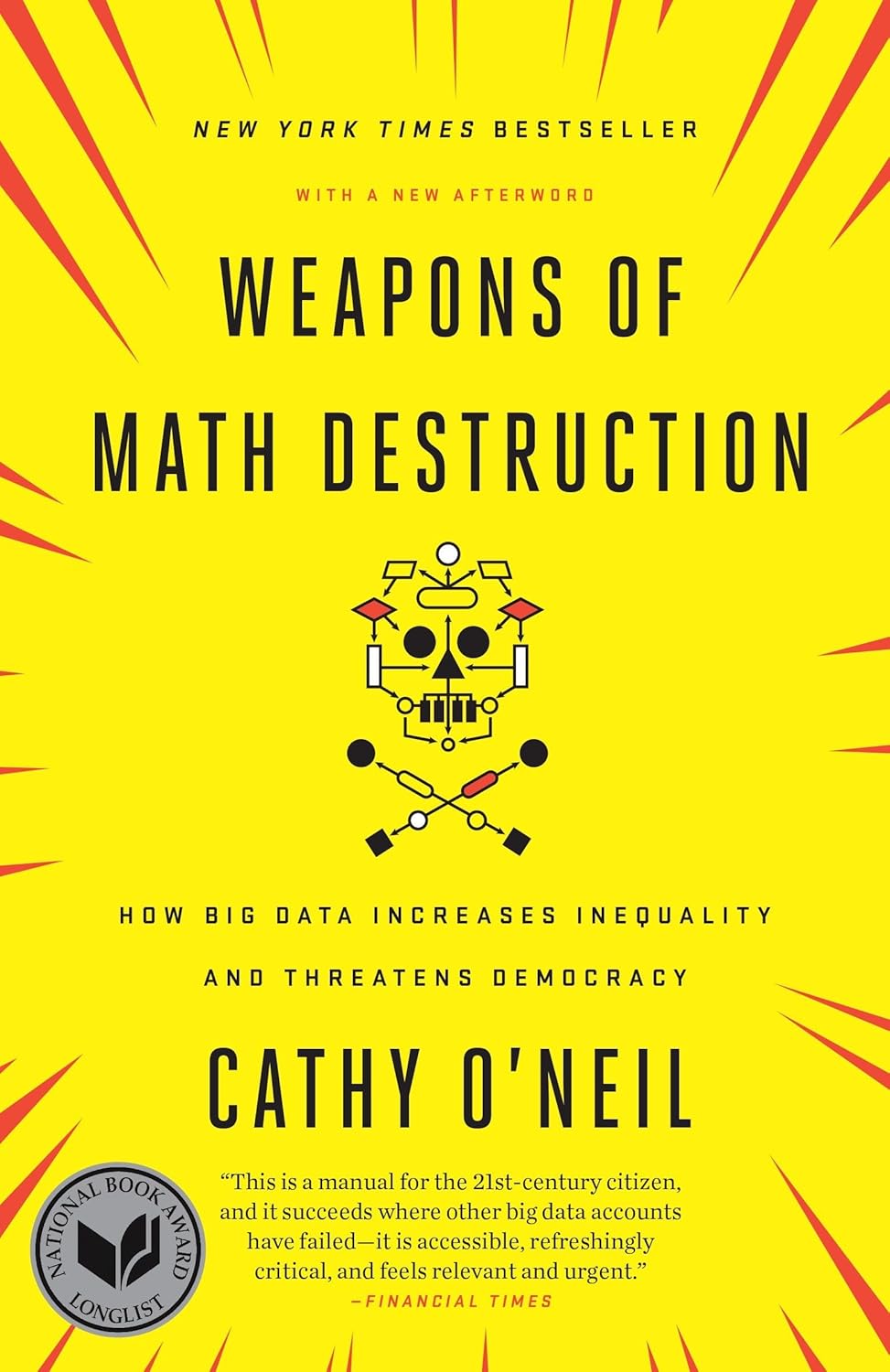
How opaque algorithms decide who gets credit, a job or parole — and why they tend to punish the same people.
As an Amazon Associate, Zendoric earns from qualifying purchases; the price does not change for you. · all our recommended books →
There are business decisions that are worth more for what they anticipate than for what they resolve today. The sound trademark application that the Backstreet Boys have filed with the United States Patent and Trademark Office (USPTO), through BSB Entertainment, belongs to that category. What they seek to protect is not a melody or a logo, but spoken words —'HI, WE'RE THE BACKSTREET BOYS'— documented with real audio from concert announcements. Detected by the firm Gerben IP, the application would cover audio and video recording services, live performances and multimedia platforms.
The interesting part is the pattern. A band with 33 years of history is joining a trend that already spans genres and generations: Taylor Swift registered 'Hey, it's Taylor' and 'Hey, it's Taylor Swift'; Lionel Richie filed fragments such as 'Easy like Sunday morning'; and Matthew McConaughey has accumulated several granted voice trademarks, which makes him one of the strongest precedents. Sound trademarks are not a new instrument —Netflix's 'tu-dum' is the most famous example—, but their application to an artist's vocal identity clearly responds to the new context: the maturity of AI voice synthesis and cloning.
The motivation these artists state is twofold and, in my view, sensible. On the one hand, equipping themselves with an additional legal tool to defend themselves in court against voice deepfakes; on the other, building a proactive licensing path with AI platforms. It is not simply a defensive stance, but the seed of a market: just as synchronization or master rights are negotiated today, tomorrow synthetic voice usage rights could be negotiated. According to the source, companies such as ElevenLabs and Klay Vision have already opted for licensing routes to avoid litigation, which suggests that the model of structured agreements has real potential.
It is worth noting, however, that intention should not be confused with guarantee. Gerben IP itself admits that it is unclear whether a trademark over a specific phrase serves to pursue any audio that imitates the group's voice without reproducing those exact words. Protecting 'Hi, we're the Backstreet Boys' does not automatically amount to shielding the voice in any context. That gray area is precisely where the mechanism's practical usefulness will be decided.
For those of us who build or integrate agentic AI, the warning is clear. If the courts validate these trademarks as an effective instrument, developers of agents that generate audio will have to incorporate checking and filtering layers to avoid infringements, with the technical and legal friction that adds to their pipelines. It is a cost, yes, but it is also the basis of a cleaner ecosystem, where consent and compensation cease to be the exception.
For now, everything is at an early stage: the applications from the Backstreet Boys, Swift and Richie still have to pass the USPTO's examination. The coming months, and any eventual court disputes, will offer the first real case law on how far this protection extends against deepfakes. The underlying signal, in any case, is already clear: the voice is becoming a first-order legal asset, and the industry is beginning to treat it as such.
📚 Go deeper
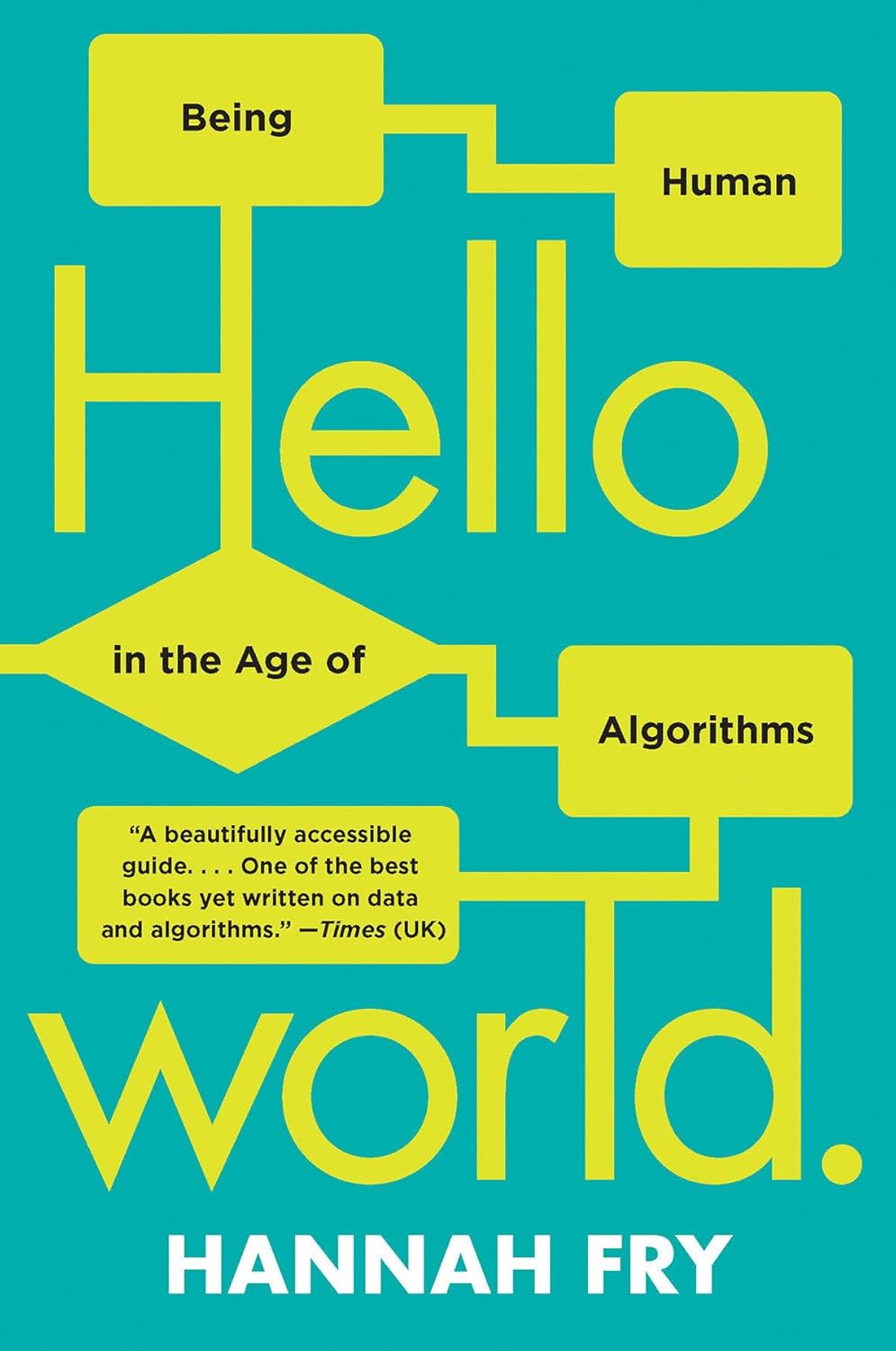
Algorithms in justice, medicine, cars and art, explained with British humor and mathematical honesty.
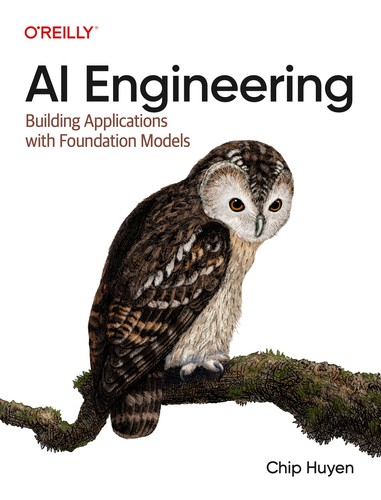
The reference manual for building products on top of AI models: prompts, RAG, fine-tuning, agents, evaluation and deployment.
As an Amazon Associate, Zendoric earns from qualifying purchases; the price does not change for you. · all our recommended books →
🔗 Related on Zendoric
- TikTok signs Jumio to shield creators from deepfakes: proving you're real is now the new battle · 2026-07-18
- A fraud hunter tells Congress: deepfakes are already fooling the U.S. government's identity verification · 2026-07-19
- Taiwan identifies sexual deepfakes as AI's biggest threat to minors · 2026-07-20